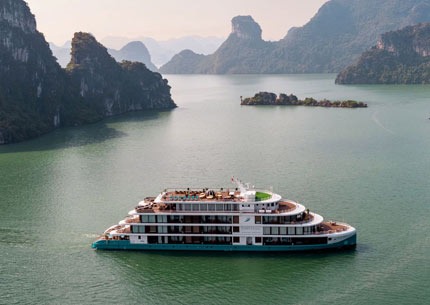
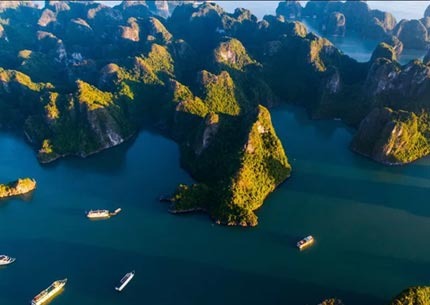

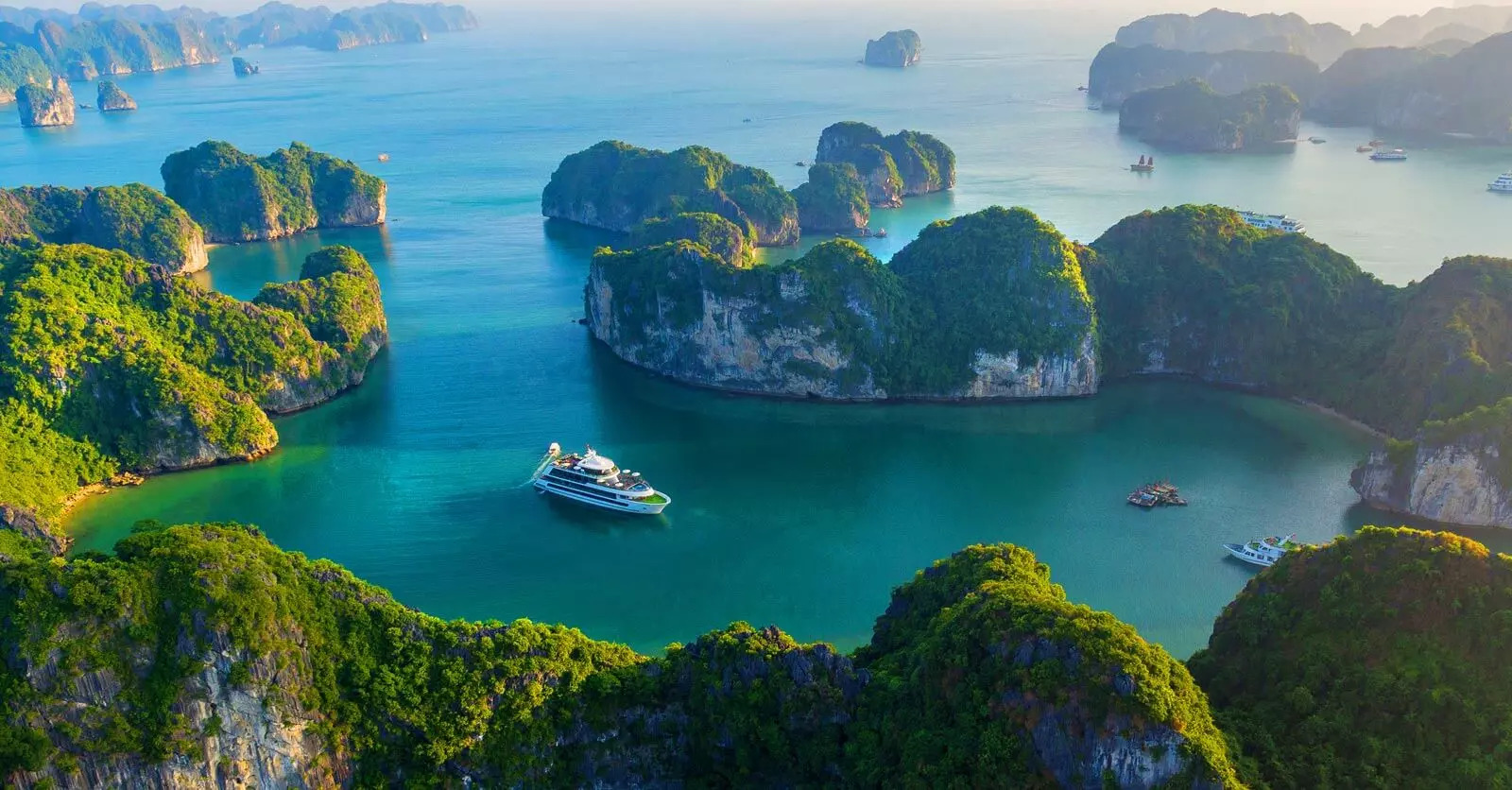
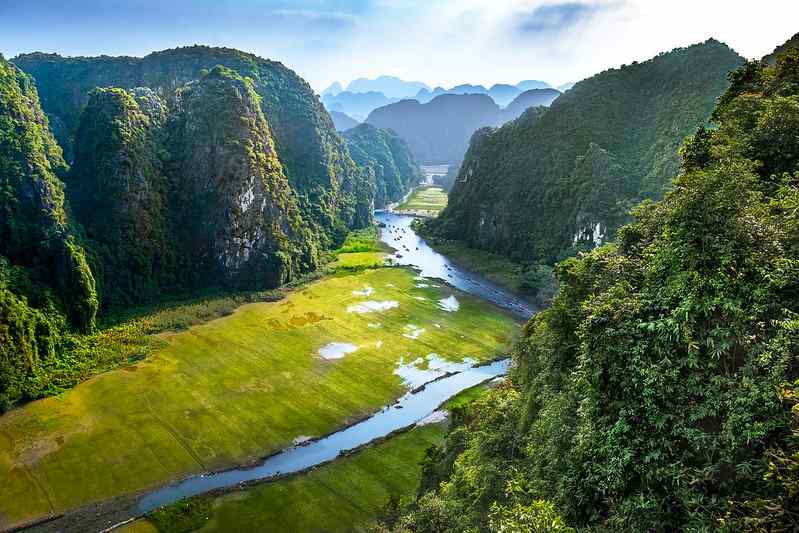
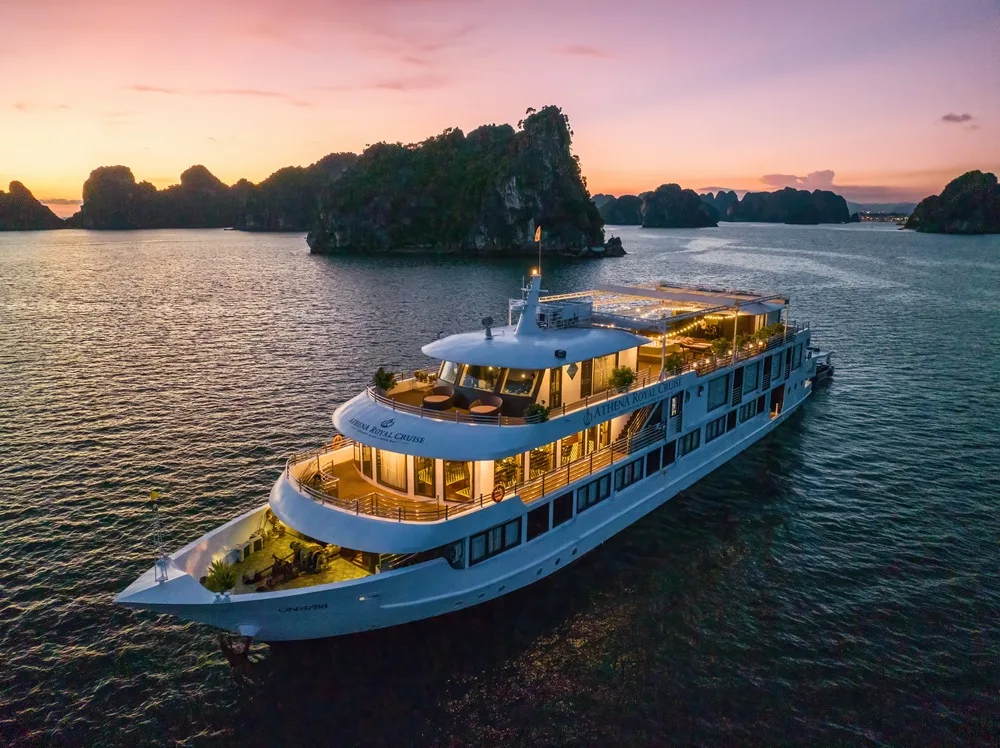
Why I Chose Bai Tu Long Bay: 9 Honest Reasons It Beat Ha Long Bay
When I first started planning a cruise in northern Vietnam, Ha Long Bay was the obvious answer. It shows up on every travel list, every Instagram feed, every “best of Vietnam” roundup you can find. The emerald water, the limestone towers rising from the sea, the traditional junk boats drifting silently through morning mist — I had built the whole image in my head before I even booked a flight.
But the more I researched, the more I kept coming across the same quiet recommendation from experienced travelers: if you really want to feel the bay, go to Bai Tu Long Bay instead.
So I dug deeper. I compared routes, crowd levels, cruise options, and what each destination actually offers beyond the photographs. And in the end, I chose Bai Tu Long Bay — not as a compromise, but as a deliberate decision.
This article shares 9 honest reasons why I made that choice, what I found when I got there, and everything you need to know if you are weighing the same decision for your Vietnam trip.
Bai Tu Long Bay Review TRipAdvisor and Cruise Review
Bai Tu Long Bay Cruises – Best Offers
1. Bai Tu Long Bay Offered the Same Iconic Scenery Without the Crowds
The first thing I needed to confirm before choosing Bai Tu Long Bay was simple: does it actually look as good as Ha Long Bay?
The short answer is yes — and in some ways, it looks even better because you have more space to appreciate it.
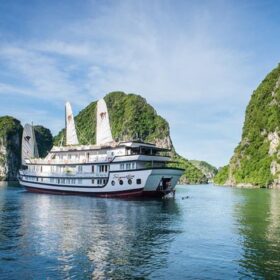
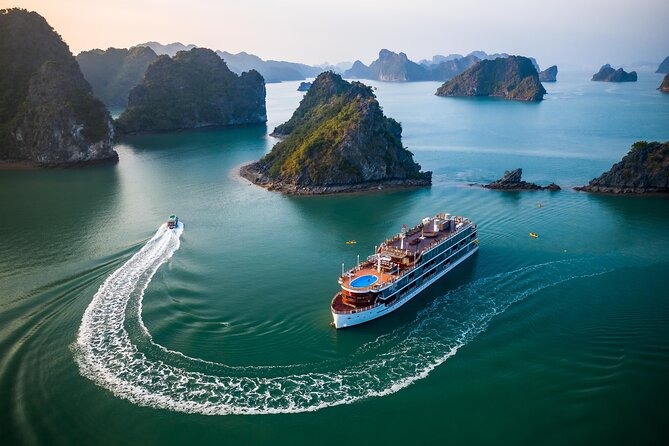
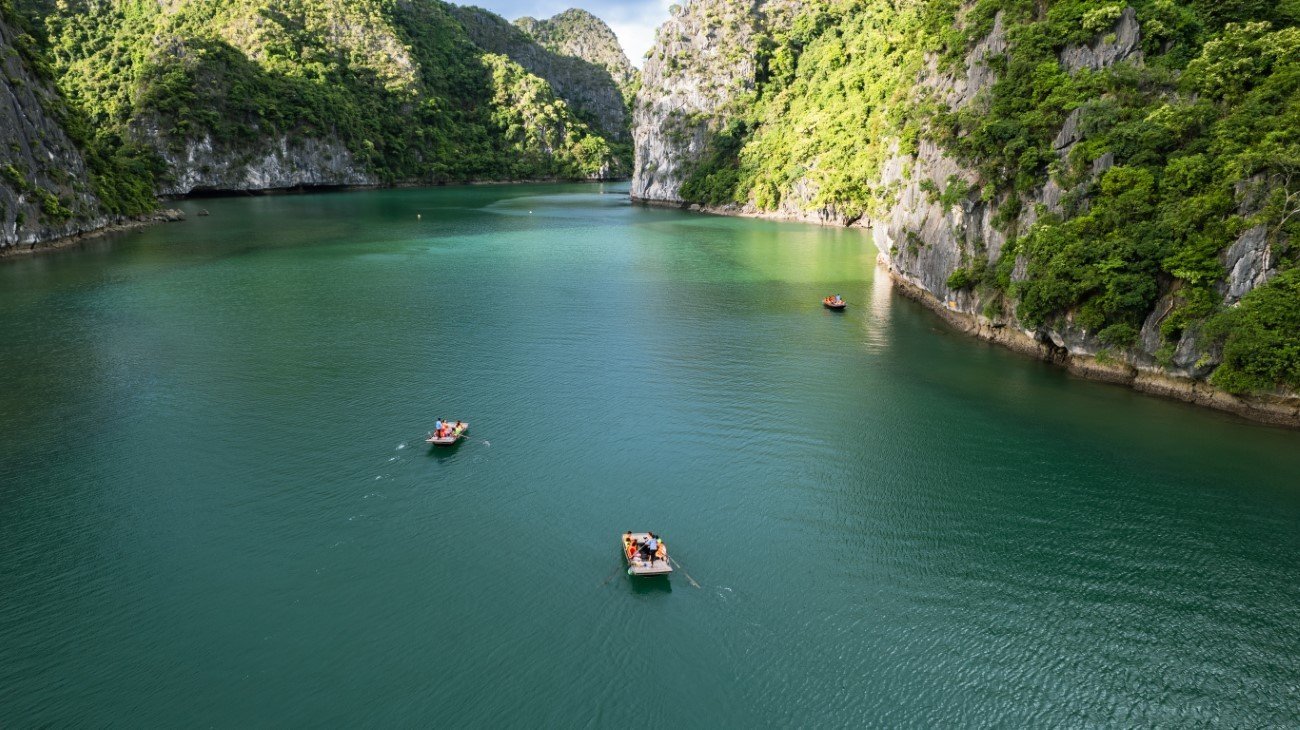
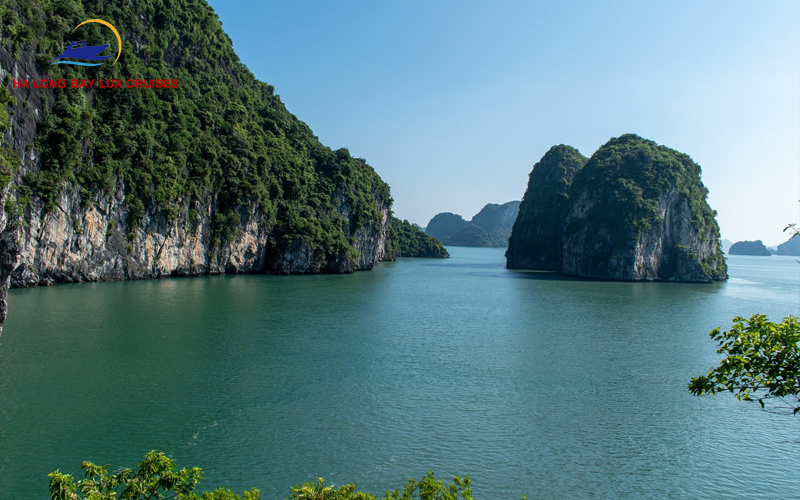
Bai Tu Long Bay is part of the same larger seascape in the Gulf of Tonkin, in Quang Ninh Province, northeast Vietnam. The entire Ha Long Bay complex — which includes Ha Long Bay, Bai Tu Long Bay, and Cat Ba Island — covers approximately 1,553 square kilometers and contains around 1,969 limestone islands and islets. Bai Tu Long Bay sits to the northeast of Ha Long Bay and shares the same geological heritage: vertical karst towers, sea caves, hidden lagoons, small sandy beaches, and deep emerald water that shifts from green to turquoise depending on the light and the time of day.
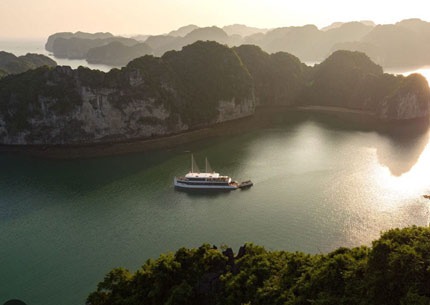
What makes Bai Tu Long Bay different is not the quality of the scenery. It is the ratio of scenery to boats. In the most visited sections of Ha Long Bay — particularly around the Sung Sot Cave and Ti Top Island areas — dozens of cruise boats can be visible at the same time. In Bai Tu Long Bay, you can anchor in a bay surrounded by towering limestone karsts and see almost no other vessels on the water.
Best Location for photos
For photographers, this is extraordinary. For anyone who wants to feel like they are discovering the landscape rather than touring it on a conveyor belt, it changes everything.
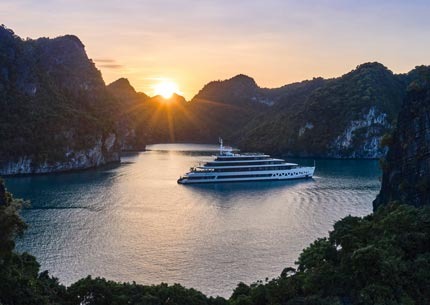
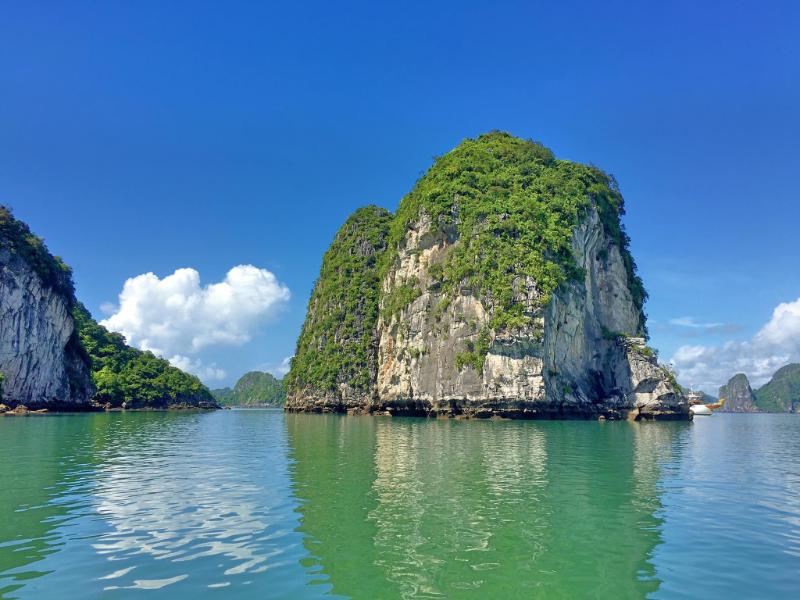
The limestone formations in Bai Tu Long Bay include dramatic vertical walls, arched rock tunnels, jungle-covered summits, and cave systems with stalactites that have been forming for millions of years. The water is consistently described as calm and clear, particularly in the protected anchorage areas where overnight cruises typically moor for the evening.
If you were worried that choosing Bai Tu Long Bay meant settling for a lesser version of Ha Long Bay’s scenery, set that concern aside entirely. The landscape is just as spectacular — and without the visual clutter of heavy boat traffic, it often feels more so.
2. The Bay Is Protected by a National Park That Covers Over 15,000 Hectares
One reason Bai Tu Long Bay feels so naturally preserved is that a significant portion of it sits within a protected area. Bai Tu Long National Park was established in 2001 and covers approximately 15,783 hectares, including both terrestrial and marine zones. The park spans the islands of Ban Sen, Tra Ban, and Phong Man in the Van Don district of Quang Ninh Province.
This is not a casual designation. The national park classification means that large-scale commercial development is restricted, cruise routes within certain zones are regulated, and the ecological balance of the bay — including its coral reef systems, mangrove forests, and marine biodiversity — is actively managed.
Within the national park boundaries, you will find dense tropical forest on the island ridgelines, sea grass beds below the surface, and an underwater environment that supports fish, crustaceans, sea turtles, and other marine species. The mangrove ecosystems along some island shorelines act as nurseries for marine life and help protect coastal areas from erosion.
How Impressive Is Bai Tu Long Bay
For travelers, this means that a Bai Tu Long Bay cruise feels like entering a living ecosystem rather than a managed tourist attraction. The water is genuinely clean. The forest on the hillsides above the limestone cliffs is genuinely green. The wildlife — including birds, monkeys on some islands, and abundant fish visible during kayaking — reflects a bay that has not been overrun.
This protected status also has a practical impact on the cruise experience. Because development and boat traffic within the national park are limited by regulation, Bai Tu Long Bay inherently offers a quieter route than the busiest Ha Long Bay zones. That is not just a marketing claim — it is built into the legal framework that governs what can and cannot happen in this part of the bay.
When I compared the two destinations, this detail helped me understand why Bai Tu Long Bay consistently felt more natural to the travelers who had been there. The environment is genuinely more protected.
3. The Quieter Atmosphere Made Every Part of the Cruise Feel Different
There is a specific feeling I was looking for on this trip — the feeling of being on calm water surrounded by limestone cliffs, with no engine noise from nearby boats, no tour group announcements drifting across the water, no queue to enter a cave. I had read enough reviews of the busiest Ha Long Bay routes to know that feeling was harder to find there, especially during peak season.
Bai Tu Long Bay delivered it consistently.
The difference in atmosphere between the two destinations comes down to permitted cruise routes and volume of operators. Ha Long Bay is divided into cruising zones, and the most famous attractions in the bay — including Sung Sot Cave, Tien Ong Cave, Ti Top Island, and Luon Cave — fall within zones that are accessible to hundreds of licensed day-cruise and overnight-cruise vessels. During peak travel months, this results in significant boat concentration around the most popular stops.
Bai Tu Long Bay has a smaller number of licensed cruise operators permitted to run routes there. This is not because the destination is less impressive, but because it has been developed more slowly and more carefully. The result is that even during the busiest travel seasons, Bai Tu Long Bay anchorage areas rarely have more than a handful of boats moored nearby.
What this creates in practice is a noticeably different mood on the water. When you kayak through a limestone archway in Bai Tu Long Bay, the sound you hear is water dripping from the rocks and birds calling from the cliff faces above you. When you sit on the sundeck in the late afternoon and watch the light change on the karst towers, you are not competing with a parade of vessels for the same view.
For couples, honeymooners, photographers, and anyone who finds that crowded environments diminish rather than enhance their travel experience, this distinction is not minor. It is the entire point.
4. Kayaking Through the Bay Felt Like a Genuinely Private Experience
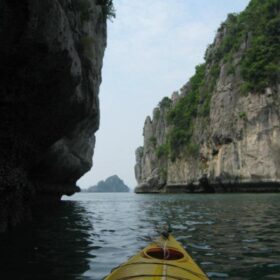
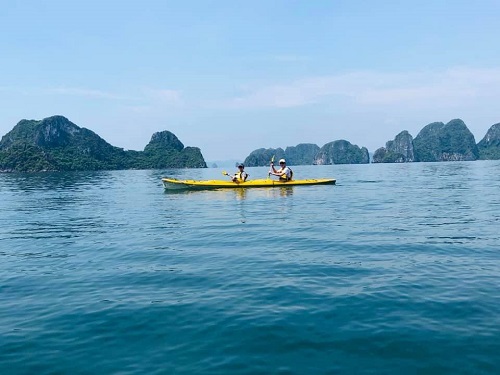
Kayaking is one of the best ways to experience a limestone bay like this — low to the water, quiet, slow enough to notice details, and flexible enough to paddle into spaces no cruise boat can reach. In Bai Tu Long Bay, kayaking felt like one of the highlights of the entire trip.
The most memorable kayaking areas in Bai Tu Long Bay include passages through narrow water channels between limestone walls, entries into dark cave tunnels that open into enclosed lagoons, and routes around floating fishing structures where you can watch the daily rhythm of village life from the water level.
Cong Dam
is one area frequently cited for exceptional kayaking. The geography here creates a network of water passages between forested limestone islands, and the low kayak profile allows you to pass through archways and tunnel openings that would be impassable in any larger vessel. The water in these sheltered areas is often very calm because the surrounding islands block the wind, creating almost mirror-like conditions in the early morning.
Cap La
is another area worth noting. The shallow water and limestone formations here create ideal conditions for kayaking, and because the area is farther from the main Ha Long Bay tourist circuit, the paddling experience here tends to be particularly peaceful.
In comparison, kayaking in the busiest Ha Long Bay zones during peak season can involve sharing the water with many other kayakers from nearby cruise boats. The experience is still enjoyable, but the feeling of solitude that defines the best moments on the bay is harder to find.
In Bai Tu Long Bay, I paddled for stretches of time without seeing another kayaker. That kind of quiet is increasingly rare in popular natural destinations, and it is one of the strongest reasons I would choose Bai Tu Long Bay again.
5. Vung Vieng Fishing Village Gave Me a Genuine Cultural Connection
The floating fishing communities of the Ha Long Bay region are one of the most culturally distinctive aspects of this part of Vietnam. For centuries, families lived entirely on the water, raising fish in floating cages, navigating by the tides, and building communities on rafts and floating platforms between the limestone islands.
Vung Vieng Fishing Village, located within the Bai Tu Long Bay cruise area, is one of the most authentic places to encounter this way of life. Unlike some floating village visits in more heavily touristed parts of Ha Long Bay — where the experience can feel more like a performance than a genuine encounter — Vung Vieng tends to retain a more grounded feeling.
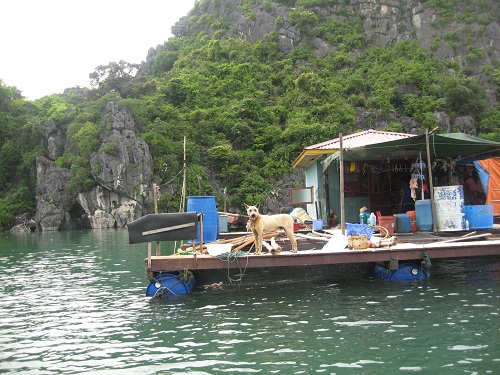
The village sits in a sheltered bay surrounded by limestone karsts, and the approach by traditional rowing boat or kayak already sets a different tone from a motorized tourist transfer. Local residents still maintain fish farming operations here, raising fish and seafood in cage systems beneath the floating platforms. You can see the working infrastructure of a real aquaculture community, not a reconstructed display.
How Beautiful is the Fishing Village
Many cruises visiting Vung Vieng include a short rowing boat ride through the village, during which a local resident rows you around the floating homes, fish cages, and community structures. The scale of the village — approximately 40 households at the time of recent documentation — means the visit feels personal rather than overwhelming.
What makes this experience particularly valuable in Bai Tu Long Bay is the context. Because the wider bay is less crowded and more naturally preserved, the fishing village visit feels continuous with the broader atmosphere of the destination. You arrive by water, through scenery that has not been interrupted by heavy commercial development, and the village fits naturally into that landscape.
For travelers who want their Vietnam cruise to include genuine cultural moments alongside the scenery, Vung Vieng is one of the strongest arguments for choosing Bai Tu Long Bay over a route that focuses primarily on geological highlights.
6. Thien Canh Son Cave Was Spectacular and Never Overcrowded
Thien Canh Son Cave is one of the highlights of a Bai Tu Long Bay cruise. It exceeded my expectations.
Like all caves in the Ha Long Bay region, it was formed over millions of years by limestone geology and natural erosion. The cave features impressive stalactites, stalagmites, rock columns, and large chambers.
The cave sits on the side of a limestone island. Visitors reach it by climbing a staircase carved into the cliff. Inside, several connected chambers reveal dramatic rock formations. Dense clusters of stalactites hang from the ceiling, while the uneven floor adds to the cave’s ancient atmosphere.
What makes Thien Canh Son Cave different is the crowd level.
In central Ha Long Bay, Sung Sot Cave is famous but often extremely crowded. Thousands of visitors can pass through each day during peak season. While impressive, the noise, queues, and busy atmosphere can reduce the experience.
At Thien Canh Son Cave, visitor numbers are much lower. Many times, your cruise group may have the cave almost to yourselves. The quieter setting makes the cave feel larger, older, and more awe-inspiring.
This contrast perfectly explains why I chose Bai Tu Long Bay. Here, you truly experience the place instead of simply moving through a crowded attraction.

7. A 3-Day Cruise Gave Me Time to Go Deeper Into the Bay
Longer cruises usually provide a better Bai Tu Long Bay experience.
The most peaceful areas are farther from the port and require more travel time.
A 2-day/1-night cruise is the minimum recommended itinerary.
It typically includes cruising, kayaking or cave visits, overnight anchoring, and a morning activity.
This option covers the main highlights and offers one night on the bay.
A 3-day/2-night cruise creates a deeper and more relaxed experience.
It allows access to quieter, less visited parts of Bai Tu Long Bay.
Guests can enjoy longer kayaking routes, scenic cruising, and a slower pace.
Mornings may include kayaking in calm waters and soft sunrise light.
Afternoons can feature cave visits, beach stops, and cruising through limestone scenery.
Evenings bring sunset views, dinner onboard, and overnight stays in peaceful anchorages.
Three days on the bay feels very different from two.
With more time, travelers can truly connect with the landscape, atmosphere, and natural rhythm of Bai Tu Long Bay.
If your travel schedule has any flexibility at all, the 3-day option is worth prioritizing.
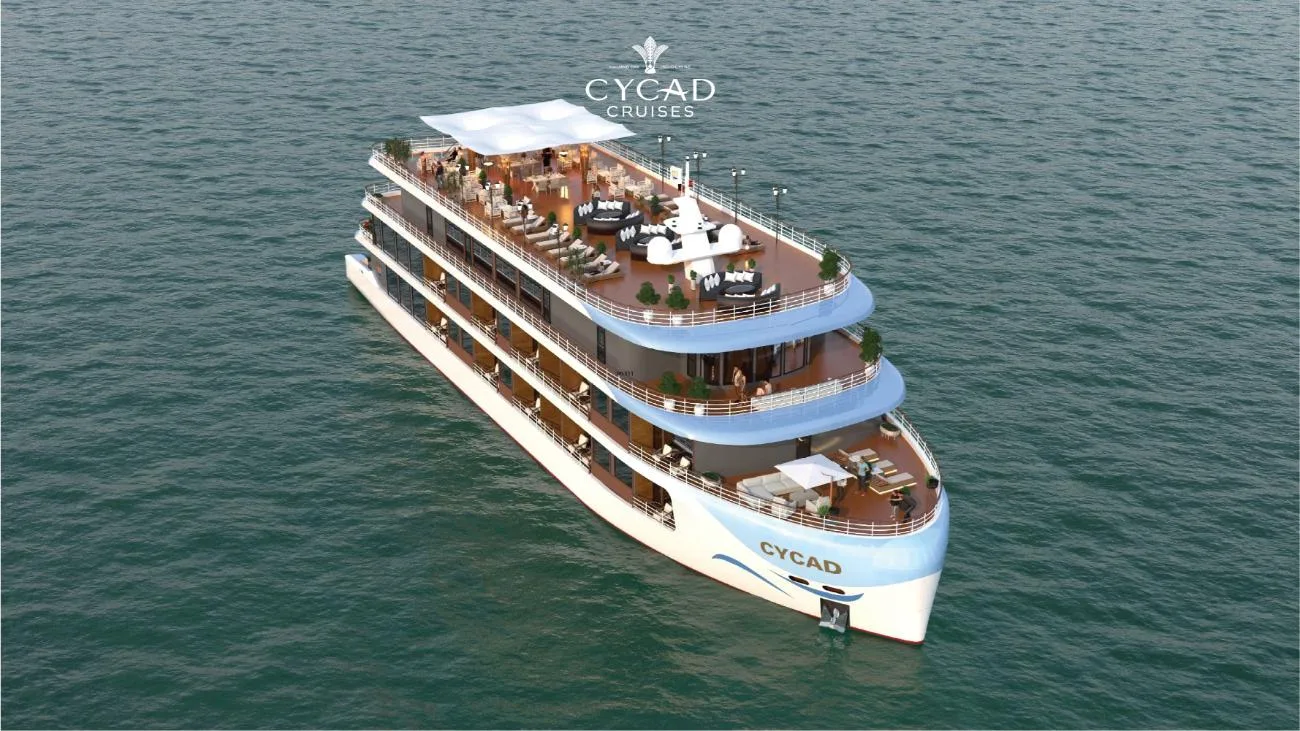
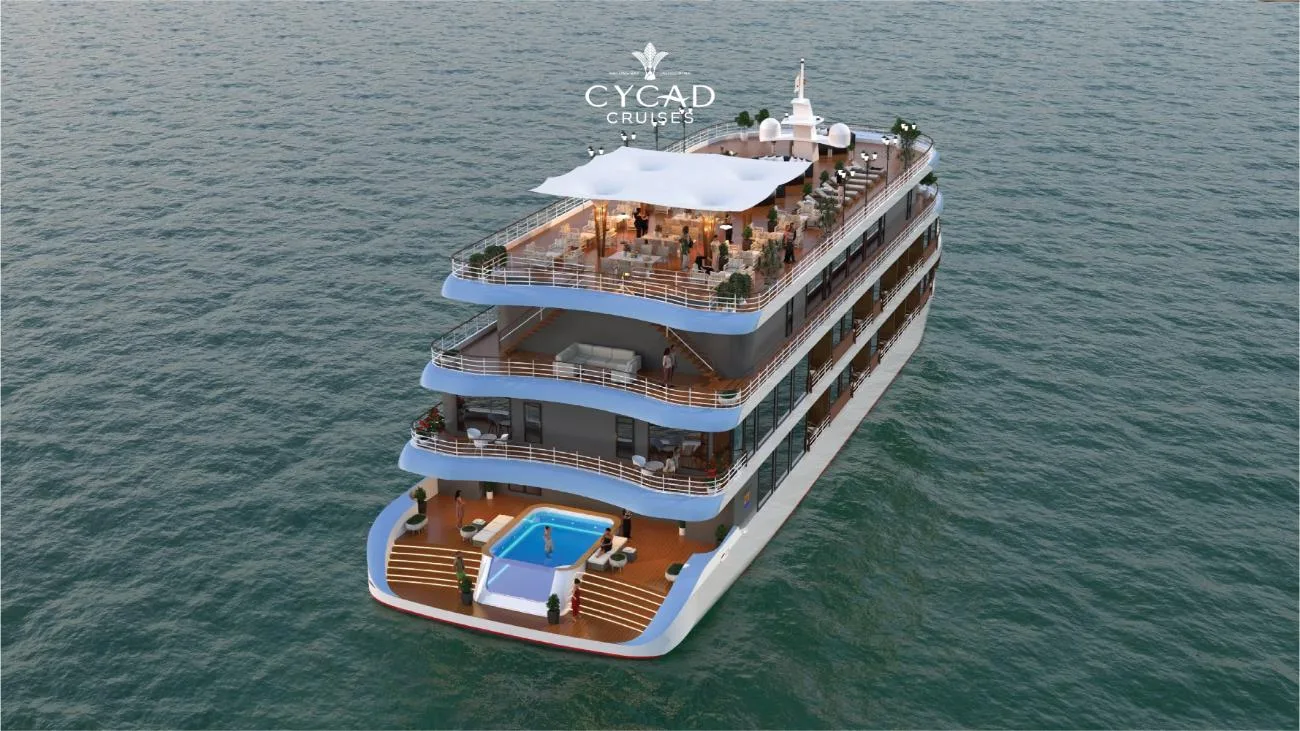
8. The Luxury Cruise Experience Felt More Personal in a Quieter Setting
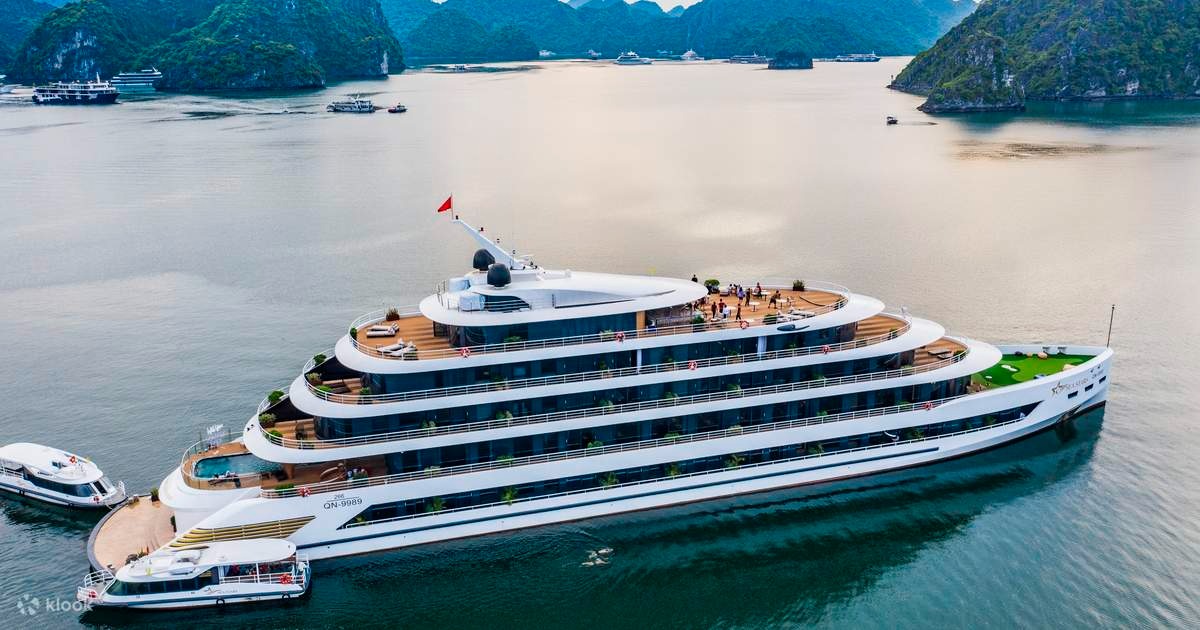
A luxury cruise in Bai Tu Long Bay offers a rare sense of privacy and tranquility.
It delivers the feeling that the bay belongs to you, even if only for a moment.
Luxury cabins usually range from 25–40 sqm, with larger suites, private balconies, and elegant interiors.
Many cruises feature floor-to-ceiling windows, spacious bathrooms, and premium furnishings.
Fresh seafood is a highlight, including prawns, squid, crab, fish, and traditional Vietnamese dishes.
Dining quality is consistently high on reputable cruises, with vegetarian options available.
Guests can also enjoy spa treatments, cooking classes, tai chi sessions, and night squid fishing.
In Bai Tu Long Bay, these activities feel more relaxing thanks to the peaceful surroundings.
The true luxury is the atmosphere.
A private balcony, calm water, and quiet limestone scenery create a genuinely special experience.
Unlike crowded cruise areas, Bai Tu Long Bay offers more natural serenity and space.
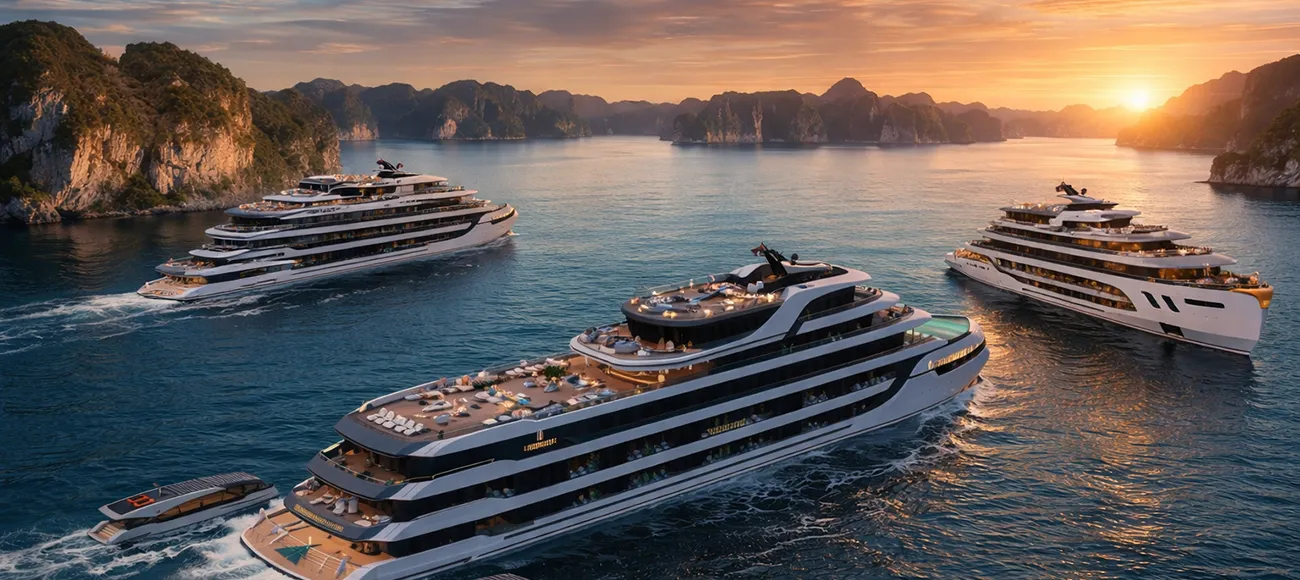
For travelers seeking both premium comfort and peaceful landscapes, it is one of the best luxury cruise choices in the region.
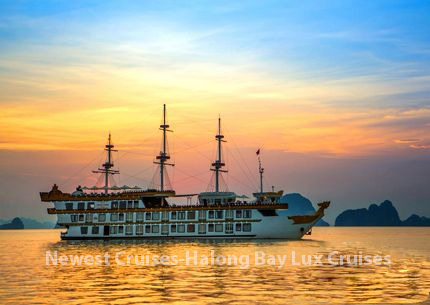
To compare different cruise styles and routes, Halong Bay Lux Cruises provides a helpful overview of available experiences.
9. Bai Tu Long Bay Is Still a Destination Worth Protecting — and Visiting While It Feels Like This
The final reason I chose Bai Tu Long Bay is one that is harder to quantify but important to name honestly: this destination still feels the way northern Vietnam’s bay scenery is supposed to feel, and that is not guaranteed to last forever.
Tourism to northern Vietnam has grown substantially over the past decade, and while the pandemic years interrupted that growth, visitor numbers have been recovering steadily. Vietnam’s total international tourist arrivals reached approximately 12.6 million in 2023 and continued growing into 2024 and 2025. The Ha Long Bay region is consistently one of the most visited natural destinations in Southeast Asia, and the pressure that visitor volume places on the most famous sites is real and measurable.
Bai Tu Long Bay has benefited from a combination of protected area designation, slower tourism development, and its position farther from the main cruise port infrastructure. The result is a destination that, in 2026, still genuinely delivers the peaceful limestone bay experience that travelers come to northern Vietnam hoping to find — but that experience is partly a function of the bay remaining less crowded, and that status requires ongoing care.
Best Choice Bai Tu Long Bay
Choosing Bai Tu Long Bay is not just about getting a better cruise experience for yourself, though it does deliver that. It is also a vote for a different model of tourism development in this region: one that prioritizes environmental preservation, limited access, and quality experience over maximum visitor throughput.
Travelers who choose Bai Tu Long Bay are, in a small but meaningful way, supporting the case that natural destinations can be commercially viable while remaining ecologically intact.
That matters to me as a traveler. And I think it matters to most of the people who are reading this and asking the same question I was asking: which destination will give me the experience I actually came here for?
The answer, is Bai Tu Long Bay.
When Is the Best Time to Visit Bai Tu Long Bay?
Understanding the seasonal rhythm of Bai Tu Long Bay helps you choose the right departure date and set realistic expectations for your cruise experience.
March to May: Ideal Conditions for Cruising and Photography
The spring season offers some of the most reliable conditions for Bai Tu Long Bay cruises. Temperatures typically range from 18°C to 26°C during this period, with relatively low humidity compared to summer months. Rainfall is light and infrequent, and the skies tend to produce excellent visibility for karst photography — deep blue sky contrasting with the green limestone summits and emerald water below.
March and April in particular see relatively lower tourist volumes compared to the peak summer months, which means even the most popular anchorage areas feel uncrowded. This combination of good weather and manageable crowd levels makes the spring window one of the best choices for travelers who want the optimal Bai Tu Long Bay experience.
June to August: Warm but Rainy
Summer in Bai Tu Long Bay brings warmth, humidity, and higher rainfall. Average temperatures reach 28°C to 32°C, and the increased precipitation can bring mist, occasional storms, and disruptions to outdoor activities including kayaking and beach visits. This is also the period when tourism volumes peak across northern Vietnam as a whole, so even though Bai Tu Long Bay remains quieter than Ha Long Bay, it is busier than at other times of year.
Cruises do operate through the summer season and can still be enjoyable, but weather-related itinerary changes are more likely, and some activities may be modified depending on sea conditions.
September to November: One of the Best Periods of the Year
Autumn is widely regarded as one of the finest times to cruise Bai Tu Long Bay. The summer rains diminish through September and largely clear by October and November, leaving behind cooler temperatures in the 20°C to 26°C range, excellent sky clarity, and particularly vivid water color. The reduced humidity and clearer air make this period exceptional for photography, and the post-summer light on the limestone formations is stunning in the late afternoon.
October and November tend to attract experienced travelers and repeat visitors to Vietnam who understand this seasonal dynamic, and for good reason. If your schedule gives you flexibility, aiming for October or November in 2026 is an excellent strategy.
December to February: Cool, Misty, and Atmospheric
Winter in Bai Tu Long Bay is cooler — temperatures can drop to 13°C to 18°C — and the bay often sits under a layer of low mist, particularly in January and February. This atmospheric condition produces striking photographs — limestone towers emerging from white mist above still water — but it also means swimming and water-based activities are less comfortable than in other seasons.
The upside of winter travel is that tourist volumes are at their lowest, and the cost of cruise packages often reflects this. For travelers who are comfortable with cool weather and prefer a particularly quiet bay, the winter months can be surprisingly rewarding.
How to Get to Bai Tu Long Bay: Practical Travel Details
Most Bai Tu Long Bay cruises depart from the Ha Long City cruise port area in Quang Ninh Province. The road distance from central Hanoi to the Ha Long embarkation area is approximately 155 to 170 kilometers by expressway, and the journey takes roughly 2.5 to 3.5 hours depending on traffic conditions, pickup location, and which specific port or pier the cruise uses.
The majority of quality cruise packages include round-trip transfer service from Hanoi’s Old Quarter or designated hotel pickup points. Transfer options typically include limousine van shuttle (shared with other passengers) or private car — the latter being significantly more comfortable for the journey, particularly if you are traveling as a couple or family.
Van Don International Airport, located in Quang Ninh Province approximately 50 kilometers from the Ha Long cruise area, serves as a useful entry point for travelers flying directly to the region rather than routing through Hanoi. Several domestic airlines operate routes between Van Don and Ho Chi Minh City, Da Nang, and other Vietnamese hubs. Cat Bi International Airport in Hai Phong is another option, approximately 60 kilometers from the Ha Long port area.
If you are combining your Bai Tu Long Bay cruise with other northern Vietnam destinations — Ninh Binh, Sapa, or Ha Noi’s Old Quarter, for example — the overland transfer from Hanoi remains the most convenient option and can be arranged through your cruise operator.
Bai Tu Long Bay vs. Ha Long Bay: An Honest Side-by-Side Comparison
Scenery and Natural Beauty
Both destinations share the same geological heritage and deliver comparable visual impact: vertical limestone karsts, emerald water, sea caves, floating villages, and small beaches. The scenery is not meaningfully different between them. The difference is in how that scenery feels when you are standing in it, and that comes down to the number of other boats in view.
Crowd Levels
Ha Long Bay’s most visited zones are among the most heavily trafficked natural tourism destinations in Southeast Asia. Bai Tu Long Bay, due to regulated cruise access and its location farther from the main port infrastructure, consistently receives fewer cruise vessels. For travelers who prioritize quiet, this is the decisive factor.
Cruise Route Length
Ha Long Bay is accessible on day trips, meaning large volumes of visitors can enter and leave without staying overnight. This adds to the feeling of congestion in the most accessible areas. Bai Tu Long Bay is primarily experienced on overnight cruises of 2 to 3 days, which means the visitor population at any given time is smaller and self-selected for travelers who have committed to a deeper experience.
Cultural Experiences
Both areas include floating fishing villages, but Vung Vieng in Bai Tu Long Bay is often cited as feeling more authentic than some of the more frequently visited village sites in central Ha Long Bay, partly because the quieter surroundings mean the visit happens in a less commercialized context.
Luxury Cruise Quality
Premium cruise vessels operate in both areas, and the difference in onboard quality between comparable vessels in Ha Long Bay and Bai Tu Long Bay is minimal. The difference is the experience outside the cabin. The same luxury vessel in a quieter bay produces a fundamentally different emotional experience than the identical vessel in a crowded anchorage.
For travelers who want to understand how different itinerary structures and cruise lengths compare in this region, looking at options like the Ha Long Bay 6-Star Cruise helps illustrate the range of experiences available — and confirms that the quality of vessel and service available in this region is genuinely world-class, regardless of which specific bay area your itinerary covers.
Choosing the Right Bai Tu Long Bay Cruise: What to Look For
Confirm the Route Specifically Covers Bai Tu Long Bay
This is more important than it sounds. Some cruise packages marketed as “Ha Long Bay cruises” operate entirely within Ha Long Bay’s central zones, while others include Bai Tu Long Bay sections. Ask specifically whether the itinerary includes stops at Vung Vieng Fishing Village, Thien Canh Son Cave, Cong Dam, or Cap La — these are the clearest indicators that you are booking a genuine Bai Tu Long Bay route rather than a standard Ha Long Bay itinerary.
Prioritize Cabin Quality and Size
For a multi-night cruise, the cabin is where you will spend significant time. A well-designed cabin should offer a private balcony or large sea-view window, quality bedding, effective air conditioning, and a bathroom large enough to be genuinely comfortable. Cabin sizes on premium vessels range from approximately 25 to 40 square meters for standard options, with suites offering considerably more space on top-tier vessels.
Assess the Included Activities
A quality Bai Tu Long Bay cruise should include kayaking (with proper equipment and safety briefing), cave visits, fishing village exploration by rowing boat, and typically at least one cooking demonstration or Vietnamese cuisine activity. Some vessels include tai chi or yoga sessions on the sundeck, night squid fishing, and guided snorkeling where water clarity permits.
Review Meal Quality and Dietary Options
Fresh seafood should be central to the onboard dining experience. Quality cruise operators source fish, clams, prawns, and crabs from local suppliers, and the meals should reflect the genuine flavors of Vietnamese coastal cuisine rather than a homogenized international menu. If you have dietary requirements, confirm in advance that vegetarian, vegan, or allergy-conscious options are available.
Check Transfer Service Details
The journey from Hanoi to the cruise port is a meaningful part of the overall experience. A limousine van transfer is comfortable for most travelers, but if you are celebrating a honeymoon or anniversary, a private car transfer makes the journey feel more aligned with the premium experience you are investing in.
For a well-structured example of what a quality overnight cruise itinerary looks like in this region — including how the daily schedule, transfers, and activities are arranged — the 2-Day Ha Long Lan Ha Bay 5-Star Cruise provides a useful reference point for itinerary structure and service standards, and illustrates the kinds of features that define a genuinely premium overnight bay cruise.
Who Should Choose Bai Tu Long Bay ?
Bai Tu Long Bay is not the right choice for every traveler — it is the right choice for specific kinds of travelers. Understanding whether you fall into that category helps confirm the decision before you book.
You should choose Bai Tu Long Bay if:
- You want the limestone karst scenery of northern Vietnam with a genuinely quieter atmosphere
- You are traveling as a couple or on a honeymoon and want privacy and romance rather than a busy social cruise environment
- You are a photographer who wants uncluttered compositions with dramatic natural elements
- You are traveling with older children or family members who would benefit from a relaxed, unhurried pace
- You want multiple days of kayaking through calm, uncrowded water passages
- You value authentic cultural encounters — like a genuine floating village visit — over commercial tourism attractions
- You want the feeling that the natural environment you are visiting is genuinely intact and protected
- You prefer a longer itinerary of 3 days over a rushed 2-day schedule
Ha Long Bay may serve you better if:
- You have only one day available and need to experience the limestone scenery on a day trip
- You want maximum cruise operator choice and the broadest range of vessel types and price points
- You are primarily motivated by visiting the most internationally famous designation rather than the most atmospheric one
- You want nightlife options, larger party groups, or a more social cruise atmosphere
The honest answer is that most travelers who have done careful research — and who read reviews from people who have been to both — end up choosing Bai Tu Long Bay. The scenery equals Ha Long Bay, and the experience surpasses it on the metric that matters most: how the bay actually makes you feel when you are there.
Frequently Asked Questions About Bai Tu Long Bay
Why did you choose Bai Tu Long Bay over Ha Long Bay?
The main reason was the combination of equivalent scenery and dramatically fewer crowds. Bai Tu Long Bay offers the same limestone karst landscape that defines the Ha Long Bay region — emerald water, towering islands, sea caves, floating villages — but with a significantly quieter and more peaceful atmosphere due to fewer permitted cruise routes and greater distance from the main day-cruise zones.
Is Bai Tu Long Bay actually better than Ha Long Bay?
“Better” depends on what you are looking for. For travelers who prioritize atmosphere, quiet, and natural immersion, Bai Tu Long Bay is consistently rated as the superior experience by travelers who have visited both. For travelers who want the most famous destination or maximum variety of cruise options, Ha Long Bay remains a strong choice. The scenery is comparable; the experience is significantly different.
How many days do you really need for a Bai Tu Long Bay cruise?
A minimum of 2 days and 1 night is necessary to experience the bay properly. A 3-day/2-night cruise is strongly recommended for travelers who want a slower pace, access to quieter areas of the bay, longer kayaking time, and more time to simply be present on the water.
What are the must-see spots in Bai Tu Long Bay?
The most notable highlights include Thien Canh Son Cave, Vung Vieng Fishing Village, the Cong Dam kayaking area, and the Cap La limestone formations. The specific spots included on any given cruise depend on the operator’s licensed route and the cruise length.
Is Bai Tu Long Bay safe for kayaking?
Yes. Kayaking in Bai Tu Long Bay is generally safe, particularly in the sheltered water passages and protected anchorage areas where most cruise operators run kayaking activities. Conditions vary by season — spring and autumn offer the calmest water — and all reputable cruise operators provide life jackets and safety briefings before kayaking sessions.
What is the best time of year to cruise Bai Tu Long Bay?
March to May and September to November are the most recommended periods, offering comfortable temperatures, good visibility, and calm water conditions ideal for kayaking and outdoor activities. October and November are particularly excellent for photography due to clear skies and vivid water color.
How far is Bai Tu Long Bay from Hanoi?
The Ha Long Bay cruise port, from which Bai Tu Long Bay cruises typically depart, is approximately 155 to 170 kilometers from central Hanoi. The journey takes roughly 2.5 to 3.5 hours by expressway, depending on traffic and pickup location. Most quality cruise packages include Hanoi transfer as part of the booking.
Is Bai Tu Long Bay good for a honeymoon?
Bai Tu Long Bay is an outstanding honeymoon destination.
It offers dramatic natural scenery and peaceful anchorage areas.
Luxury cabins with private balconies create a romantic setting.
Fresh seafood dining adds to the special experience.
The quiet and intimate atmosphere makes it one of Southeast Asia’s most romantic cruise destinations.
Without crowded tourist infrastructure, the untouched natural environment enhances the romantic mood in a way busier destinations cannot match.
Other option for best choice
⭐ Top Rated Cruises & Tours – Getyourguide
⭐ Top Rated Luxury Cruises & Tours – Viator and TripAdvisor
Hotline | WhatsApp: +84.978.358.422
Phone | WhatsApp: +84.962.261.687
Email: halongbayluxcruises@gmail.com or vietnammarveltravel@gmail.com
Website: halongbayluxcruises.com
Reviews: Top Halong Bay Cruise Reviews on TripAdvisor
Fanpage: https://www.facebook.com/halongbayluxcruises
Book Your Luxury Halong Bay Experience
Contact Halong Bay Lux Cruises now via Hotline | WhatsApp: +84.962.261.687 for pricing and special offers!
Thousands of travelers from Europe, UK, USA, and Australia have rated us 5-stars for our exceptional service and unforgettable Halong Bay luxury experience.