





Best Time to Visit Hoa Lu: Complete Weather Guide & 7 Seasonal Tips
Hoa Lu, Vietnam’s ancient capital, offers a journey through time with its historic temples and breathtaking limestone landscapes. Timing your visit right can transform a good trip into an unforgettable experience. This comprehensive guide reveals the optimal seasons, must-attend festivals, and insider recommendations for experiencing Hoa Lu at its finest in 2025.
Understanding Hoa Lu’s Historical Significance
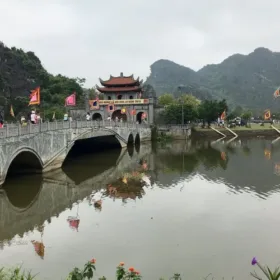
Nestled in Ninh Binh province approximately 110km south of Hanoi, Hoa Lu served as Vietnam’s political center during the 10th and 11th centuries under the Dinh and Le dynasties. Today, this archaeological treasure preserves Vietnam’s royal heritage through remarkably preserved temples, intricate stone carvings, and ancient fortifications.
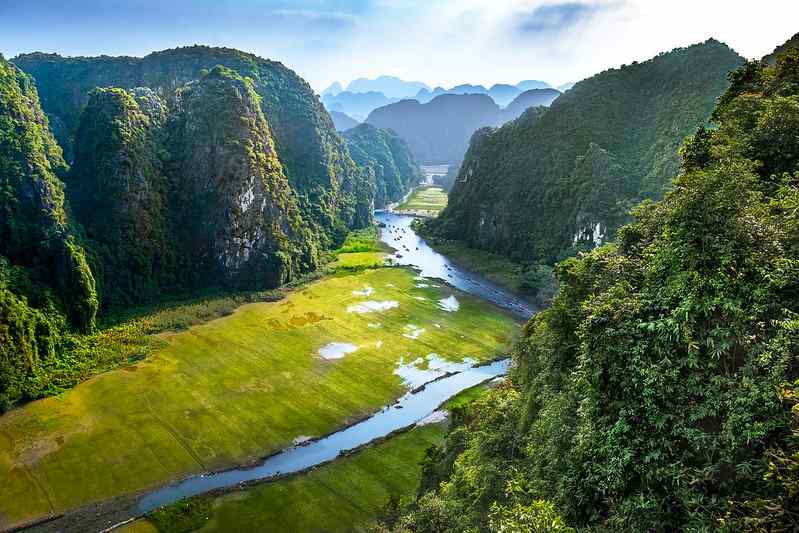
The site features two main temples dedicated to Emperor Dinh Tien Hoang and Emperor Le Dai Hanh, surrounded by stunning limestone karsts that create a natural fortress—explaining why this location was strategically chosen as Vietnam’s first permanent capital.
Understanding Hoa Lu’s historical context enhances your appreciation of this UNESCO-recognized landscape that seamlessly blends cultural heritage with natural splendor.
Hoa Lu’s Climate Patterns: 4 Distinct Seasons to Consider
Hoa Lu experiences a tropical monsoon climate with four clearly defined seasons, each offering a unique perspective on this ancient capital:
Spring (February-April): Perfect Balance of Comfort and Culture
Spring delivers Hoa Lu’s most visitor-friendly climate with temperatures ranging from 20-28°C (68-82°F). The refreshing breeze, moderate humidity (around 75-80%), and minimal rainfall create ideal conditions for exploring outdoor temples and surrounding landscapes.
Why spring stands out:
- Clear skies provide excellent visibility of distant karst formations
- Comfortable temperatures allow for extended exploration without weather-related fatigue
- Flowering trees and blossoms add vibrant colors to historical sites
- Cultural festivals bring ancient traditions to life (particularly during March-April)
During March and early April 2025, the Truong Yen Festival (March 31-April 2) will showcase traditional royal ceremonies, making this the absolute cultural highlight of the year for history enthusiasts.
Summer (May-August): Lush Landscapes with Weather Challenges
Summer transforms Hoa Lu into a verdant paradise with temperatures climbing to 32-38°C (90-100°F) and humidity levels exceeding 85%. The monsoon brings heavy rainfall, particularly in July and August when precipitation averages 300-350mm per month.
Summer considerations:
- Morning exploration (6-10 AM) offers more comfortable temperatures
- Afternoon downpours typically last 1-3 hours but create dramatic misty landscapes
- Reduced crowds mean more intimate temple experiences
- Surrounding rice fields display their most vibrant green hues
- Budget travelers benefit from reduced accommodation rates (approximately 15-30% lower than peak season)
For photographers seeking dramatic weather conditions and emerald landscapes, summer offers unique opportunities despite the challenges.
Autumn (September-November): Photographer’s Paradise with Golden Fields
Many experienced travelers consider autumn the absolute best time to visit Hoa Lu. With temperatures moderating to 22-30°C (72-86°F), declining rainfall (50-100mm monthly), and humidity dropping to a comfortable 70-75%, the weather creates perfect sightseeing conditions.
Autumn highlights:
- Golden rice fields surrounding Hoa Lu reach peak color in September
- Crystal-clear skies enhance mountain vistas and photography opportunities
- Moderate tourist numbers create a balance between liveliness and tranquility
- Evening temperatures cool to a pleasant 18-22°C (64-72°F)
- Harvest activities in surrounding villages offer authentic cultural insights
Mid-September through October 2025 will offer the most spectacular autumn landscapes, with the rice harvest creating a golden sea around the limestone karsts.
Winter (December-January): Contemplative Exploration with Fewer Crowds
Winter brings cooler temperatures ranging from 15-22°C (59-72°F) with occasional dips to 12°C (54°F) during cold fronts. The driest season of the year, winter offers reliable weather with minimal rainfall (typically under 40mm monthly).
Winter advantages:
- Crystal-clear mountain views with exceptional visibility
- Misty mornings create ethereal landscapes until around 9-10 AM
- Historical sites can be explored in peaceful solitude
- Cool temperatures make hiking in surrounding karst mountains more comfortable
- Evening temperatures may require a light jacket (13-17°C/55-63°F)
December 2025 promises particularly favorable conditions with holiday decorations adding a festive atmosphere to nearby towns while maintaining lower visitor numbers than spring or autumn.
Month-by-Month Weather Breakdown for Hoa Lu
| Month | Avg. Temp (°C) | Rainfall (mm) | Humidity (%) | Crowd Level | Key Features
|
|---|---|---|---|---|---|
| January | 16-20 | 15-25 | 80-85 | Low | Clear skies, cool mornings |
| February | 18-22 | 25-35 | 80-85 | Low-Medium | Early spring flowers, Tet holiday period |
| March | 20-26 | 40-60 | 80-85 | Medium-High | Festival preparations, warming temperatures |
| April | 23-29 | 90-120 | 80-85 | High | Truong Yen Festival, peak spring greenery |
| May | 28-32 | 180-220 | 80-85 | Medium | Early rice planting, increasing heat |
| June | 30-35 | 230-280 | 85-90 | Low-Medium | Lush landscapes, afternoon showers |
| July | 30-36 | 300-350 | 85-90 | Low | Frequent thunderstorms, maximum greenery |
| August | 29-34 | 300-330 | 85-90 | Low | Continued rain, slightly cooling temperatures |
| September | 27-32 | 180-230 | 80-85 | Medium | Early rice harvest, improving weather |
| October | 24-28 | 90-130 | 75-80 | Medium-High | Perfect temperatures, clear skies |
| November | 20-25 | 40-60 | 75-80 | Medium | Cool evenings, excellent visibility |
| December | 16-22 | 20-30 | 75-80 | Low-Medium | Holiday season, crisp air |
7 Essential Seasonal Considerations for Hoa Lu Visitors
1. Cultural Festival Calendar: Timing for Authentic Experiences
The Truong Yen Festival (March 31-April 2, 2025) stands as Hoa Lu’s premier cultural event, commemorating King Dinh Tien Hoang with:
- Elaborate ceremonial processions featuring participants in royal costumes
- Traditional water puppet performances depicting historical events
- Martial arts demonstrations showcasing ancient Vietnamese fighting techniques
- Incense offering ceremonies at King Dinh and King Le temples
- Folk games and traditional music performances
This three-day celebration provides the deepest immersion into Vietnamese cultural heritage, though it also attracts the year’s largest crowds. Book accommodations at least 3-4 months in advance if planning to attend.
Additionally, the Bai Dinh Pagoda Festival (February 15-March 15, 2025) offers spiritual celebrations at the nearby Bai Dinh complex—Southeast Asia’s largest Buddhist temple compound.
2. Photography Considerations: Capturing Hoa Lu’s Best Light
For photographers, timing directly impacts image quality:
- Golden Hour Magic: October and November offer the year’s best morning light (5:30-7:00 AM) with misty conditions and dramatic sunbeams through the karsts
- Rice Field Transitions: Early September captures the golden rice fields before harvest, while February shows the contrast of water-filled paddies reflecting the mountains
- Temple Lighting: Interior temple photography benefits from April-May’s stronger daylight that better illuminates the intricate wooden carvings
- Avoiding Harsh Shadows: December-January provides softer midday light for architectural photography without the harsh shadows present during summer
The Mua Cave viewpoint (Dragon Mountain), just 5km from Hoa Lu, offers spectacular sunrise photography opportunities in autumn and winter with panoramic views of the entire region.
3. Combining Hoa Lu with Other Ninh Binh Attractions
Strategic seasonal planning allows for optimal multi-destination experiences:
- Spring (February-April): Perfect for combining Hoa Lu with boat tours through Trang An Landscape Complex when water levels are ideal and caves are fully accessible
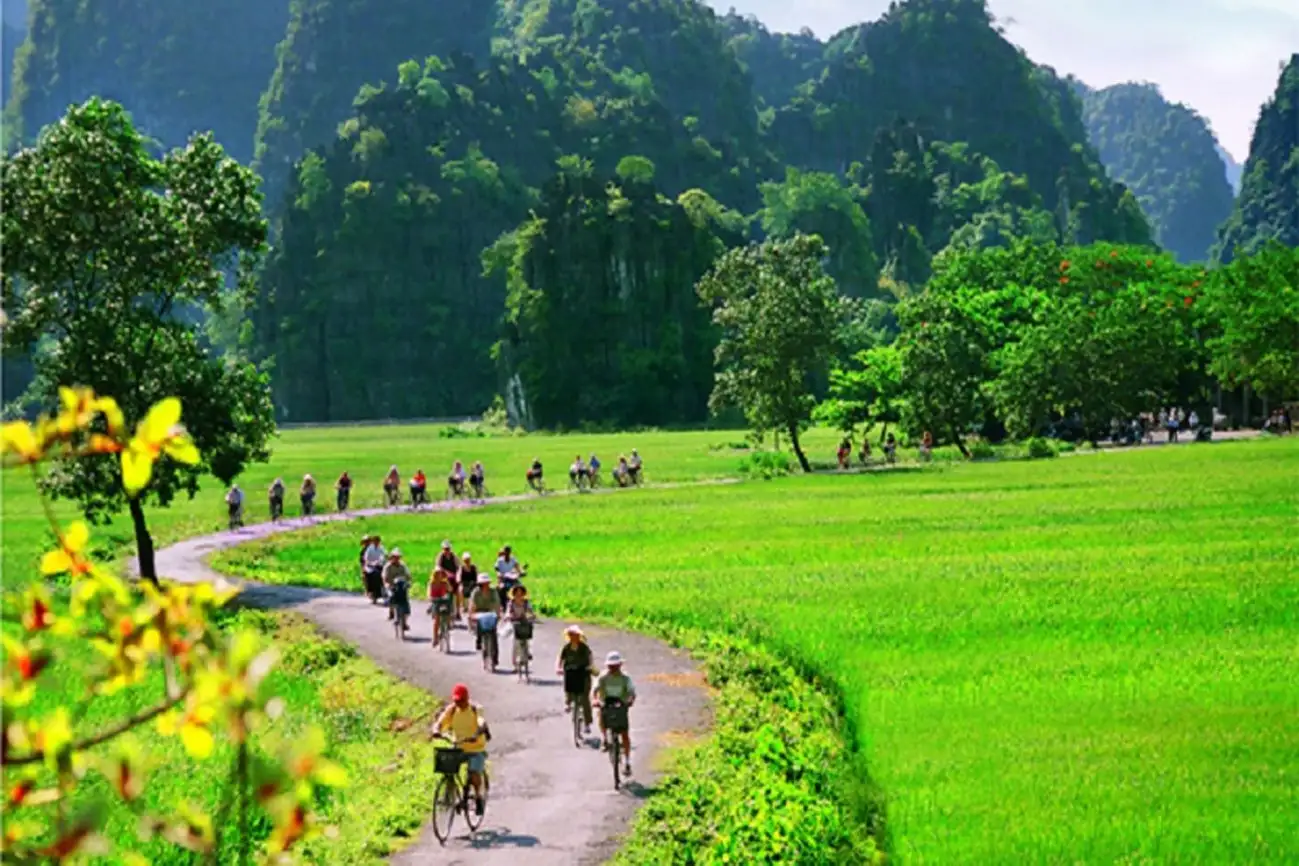
- Autumn (September-November): Best for cycling routes connecting Hoa Lu to Tam Coc for stunning rice field views and photography
- Winter (December-January): Ideal for adding hiking extensions to Mua Cave and Hang Mua Peak when cooler temperatures make climbing the 500 steps more comfortable
For travelers with limited time, the Hoa Lu-Tam Coc-Mua Cave circuit can be completed in one full day during optimal weather windows (October-November and March-April).
4. Rainfall Impact on Exploration and Activities
Understanding how precipitation affects your experience helps manage expectations:
- Temple Exploration: Covered walkways at King Dinh and King Le temples provide shelter during brief showers, making them accessible year-round
- Boat Tours: Summer rains raise water levels in nearby Trang An and Tam Coc, allowing boats to access additional caves and grottoes
- Mountain Hiking: Trails become slippery 24-48 hours after heavy rainfall; October-November and February-March offer the safest hiking conditions
- Cycling Routes: Country roads around Hoa Lu may develop muddy sections during July-August; September-November provides optimal cycling conditions
For maximum flexibility, April and October offer the lowest rainfall probability while maintaining comfortable temperatures and scenic beauty.
5. Accommodations and Crowd Considerations
Visitor volumes fluctuate significantly throughout the year, affecting your experience:
- Peak Season (March-April, October): Requires booking accommodations 2-3 months in advance; expect 25-30% higher rates and 15-25 minute waits at temple entrances
- Shoulder Season (February, May, September, November): Offers balanced visitor numbers with only weekend crowding; book 3-4 weeks ahead
- Low Season (June-August, December-January): Provides the most spontaneous travel options with same-week bookings typically available and potential discounts of 15-30%
Most visitors stay in nearby Ninh Binh city (12km) or Tam Coc (7km) rather than at Hoa Lu itself, which has limited accommodation options.
6. Transportation Considerations Throughout Seasons
Weather impacts transportation reliability and comfort:
- Road Conditions: The main highway from Hanoi maintains excellent condition year-round, but local roads around Hoa Lu may experience minor flooding during July-August heavy rains
- Travel Time Variations: The Hanoi-Hoa Lu journey (110km) typically takes 2-2.5 hours but can extend to 3-3.5 hours during summer monsoon conditions or Tet holiday traffic
- Transportation Options:
- Public buses run hourly from Hanoi’s Giap Bat station (70,000-90,000 VND)
- Tourist shuttles offer direct service with hotel pickup (200,000-250,000 VND)
- Private car services provide the most weather-insulated option (1,200,000-1,500,000 VND)
For maximum convenience and to make the most of limited time, many visitors choose to experience Hoa Lu as part of an organized day tour from Hanoi, particularly during less predictable weather periods.
7. Extending Your Northern Vietnam Experience
Many travelers combine Hoa Lu with other northern Vietnam destinations:
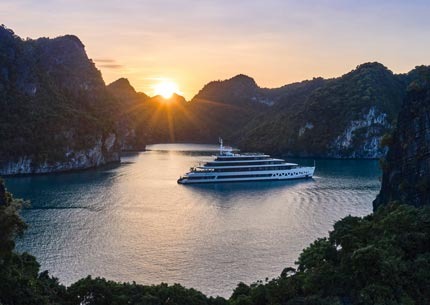
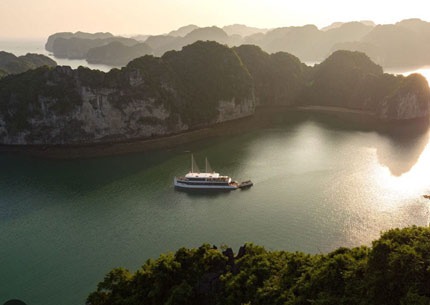
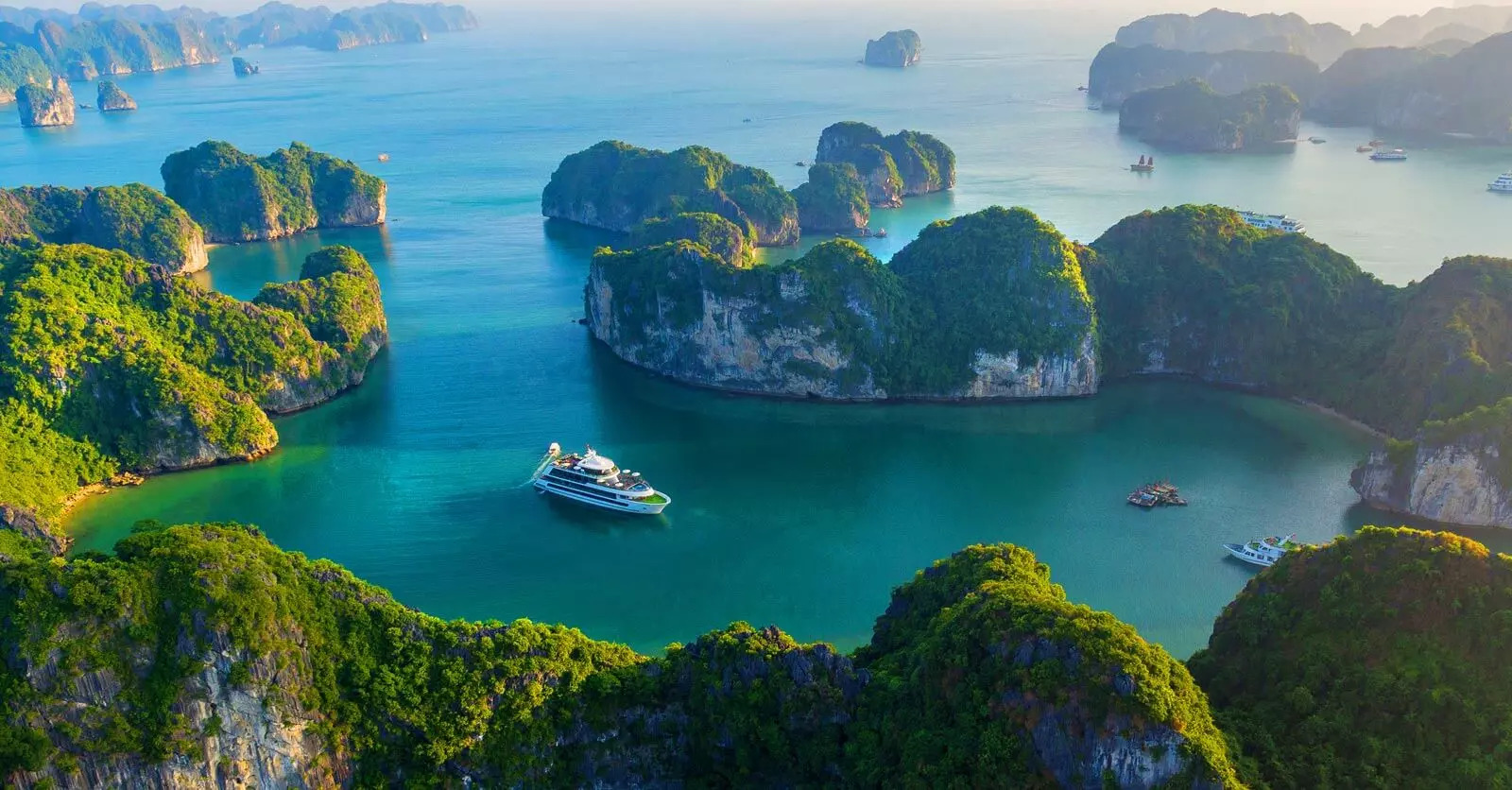
- Halong Bay Extensions: After exploring Hoa Lu’s ancient capital, experience the majestic limestone karsts from the water with a 2-day Halong Bay and Lan Ha Bay cruise, which offers similar geological formations from a different perspective
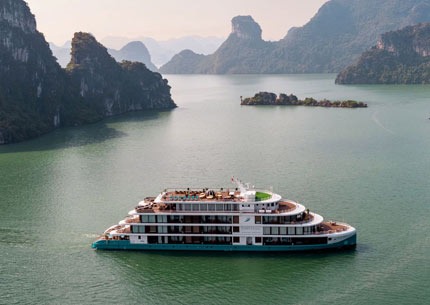
- Deeper Exploration: For travelers seeking a more immersive northern Vietnam experience, consider a 3-day 5-star Lan Ha Bay and Halong Bay cruise to witness the region’s full geological splendor
- Seasonal Coordination: October-November and March-April provide the most reliable weather for combining inland Hoa Lu exploration with Halong Bay cruising, offering clear visibility for both experiences
Practical Travel Tips for Visiting Hoa Lu
Essential Packing Recommendations by Season
Spring (February-April):
- Light, breathable clothing with one light jacket for evenings
- Sun protection (hat, sunscreen SPF 30+, sunglasses)
- Comfortable walking shoes for temple exploration
- Insect repellent (particularly important as temperatures warm)
Summer (May-August):
- Ultra-lightweight, quick-drying clothing
- Portable rain poncho or compact umbrella
- Waterproof phone case or protection
- Extra water bottle (minimum 1.5 liters per person)
- High-strength insect repellent (tropical strength recommended)
Autumn (September-November):
- Layered clothing for temperature variations (15-30°C)
- Light scarf or jacket for early mornings/evenings
- Camera equipment for exceptional photography conditions
- Standard insect repellent
Winter (December-January):
- Warm layers including light sweater or fleece
- Windproof jacket for mountain viewpoints
- Gloves and hat for early morning exploration
- Thermos for hot beverages during cool outings
Optimizing Your Visit Duration and Itinerary
For most visitors, Hoa Lu deserves at least 2-3 hours of exploration, focusing on:
- King Dinh Temple (45-60 minutes): Explore the main sanctuary, secondary halls, and stone inscriptions
- King Le Temple (45-60 minutes): Admire the architectural similarities and distinctions from King Dinh’s temple
- Mountain Viewpoint (30 minutes): Climb to the nearby viewing platform for a perspective of the ancient capital’s strategic location
To maximize your experience, arrive by 8:30-9:00 AM (especially April-October) to explore before midday heat and larger tour groups arrive. If visiting during the Truong Yen Festival, allow an additional 2-3 hours to experience the ceremonial activities.
Conclusion: The Definitive Best Times to Visit Hoa Lu
Based on comprehensive weather data, crowd factors, and cultural considerations, the optimal times to visit Hoa Lu are:
- Mid-October to mid-November (absolute best period): Perfect temperatures (20-28°C), minimal rainfall, spectacular autumn colors, moderate crowds, and excellent visibility for photography
- March 15-30 (cultural enthusiast’s choice): Comfortable spring weather before peak April crowds, festival preparations underway, and blooming flora creating picturesque backdrops
- Late September (photographer’s preference): Golden rice harvest, improving weather after summer rains, and dramatic morning mists creating ethereal landscapes
- First half of February (solitude seeker’s option): Clear winter skies, cooler temperatures ideal for exploration, minimal crowds, and excellent visibility of mountain formations
Whichever season you choose, Hoa Lu’s ancient temples and majestic landscape offer a profound connection to Vietnam’s royal history and natural beauty. By timing your visit strategically, you’ll experience this UNESCO treasure at its absolute finest.
For travelers continuing to explore northern Vietnam, consider extending your journey with a luxury Halong Bay cruise experience to witness more of the region’s spectacular limestone karst formations from the emerald waters of the Gulf of Tonkin.
- Hotline | WhatsApp: +84.978.358.422
- Phone | WhatsApp: +84.962.261.687
- Email: halongbayluxcruises@gmail.com
- vietnammarveltravel@gmail.com
Top Halong Bay Cruise Review on TripAdvisor