



The 9 Worst Times to Visit Ha Giang in 2026: Ultimate Weather Guide & Packing Tips
In the far northern reaches of Vietnam lies a landscape so dramatic it seems almost otherworldly. Ha Giang, with its jagged limestone karsts, winding mountain passes, and vibrant ethnic cultures, has emerged as Vietnam’s premier destination for adventurous travelers. Yet timing your visit to this highland paradise can make or break your experience. This comprehensive guide explores the worst periods to visit Ha Giang in 2026, along with essential weather insights, packing recommendations, and travel highlights to ensure your northern Vietnam adventure exceeds expectations.
Understanding Ha Giang’s Unique Climate Patterns
Ha Giang’s geography creates a climate unlike anywhere else in Vietnam. Nestled in the northernmost region of the country along the Chinese border, Ha Giang sits at elevations ranging from 800 to 1,600 meters above sea level. This mountainous terrain experiences four distinct seasons, each offering dramatically different conditions for travelers.
The province’s climate is classified as humid subtropical, heavily influenced by the monsoon system that sweeps across Southeast Asia. However, what makes Ha Giang particularly challenging for travelers is how quickly conditions can change. A sunny morning can transform into a foggy, rain-soaked afternoon within hours, especially during transitional months.

Monthly Weather Breakdown for Ha Giang in 2026
To help you plan effectively, here’s a detailed month-by-month analysis of Ha Giang’s expected weather patterns for 2026:
| Month | Average Temperature (°C) | Rainfall (mm) | Humidity (%) | Key Weather Features
|
|---|---|---|---|---|
| January | 5-15 | 25-40 | 75-85 | Cold, foggy mornings, occasional frost at high elevations |
| February | 8-17 | 30-50 | 70-80 | Cold but gradually warming, clearer days |
| March | 12-22 | 60-90 | 65-75 | Spring begins, occasional light rain, warmer days |
| April | 15-25 | 80-120 | 70-80 | Pleasant temperatures, blooming season begins |
| May | 20-28 | 170-210 | 75-85 | Warming up, increasing rainfall, pre-monsoon conditions |
| June | 22-30 | 230-280 | 80-90 | Heavy rainfall begins, high humidity, potential landslides |
| July | 24-33 | 270-330 | 85-95 | Peak rainfall, highest humidity, frequent thunderstorms |
| August | 23-32 | 240-300 | 85-90 | Continued heavy rainfall, muggy conditions, landslide risk |
| September | 21-29 | 150-200 | 80-85 | Gradually decreasing rainfall, still humid |
| October | 18-26 | 80-130 | 75-80 | Drier conditions, comfortable temperatures, clearer skies |
| November | 13-23 | 40-70 | 70-75 | Cool and pleasant, generally dry, excellent visibility |
| December | 8-18 | 20-35 | 70-80 | Cold temperatures, foggy mornings, occasional light rain |
The 9 Worst Times to Visit Ha Giang in 2026
While Ha Giang’s beauty persists year-round, certain periods present significant challenges for travelers. Here are the nine worst times to visit in 2025, ranked from most problematic to least:
1. Late July (Peak Monsoon Period)
July 15-31, 2025, marks the absolute worst time to visit Ha Giang. During this period, the region experiences:
- Daily rainfall averaging 15-20mm, often continuing for 5-7 hours
- Flash flooding that can wash out sections of mountain roads
- Visibility reduced to less than 100 meters on mountain passes
- Up to 95% humidity, making physical activities extremely uncomfortable
- Temperatures reaching 33°C combined with humidity, creating oppressive conditions
The famous Ma Pi Leng Pass, normally offering spectacular valley views, becomes treacherous during this period, with frequent small landslides and rock falls reported along its 20km stretch.
2. Early August (Continued Heavy Rainfall)
August 1-15, 2025, continues the challenging conditions with:
- Slightly reduced but still heavy rainfall (13-18mm daily average)
- Ongoing risk of landslides, particularly after prolonged rain periods
- Limited accessibility to remote villages as dirt roads become impassable
- Difficulty experiencing outdoor activities and photography opportunities
- Increased risk of travel delays and cancellations
During August 2023, several sections of the Ha Giang Loop were temporarily closed due to landslides, and similar conditions are anticipated for 2026.
3. Mid-June (Beginning of Monsoon Season)
June 15-30, 2025, marks the transition into full monsoon conditions:
- Rapidly increasing rainfall (from occasional to daily downpours)
- Unpredictable weather patterns making planning difficult
- Rivers beginning to swell, affecting boat crossings in some areas
- Rising humidity levels (80-90%) creating uncomfortable sleeping conditions
- Early monsoon landslides before vegetation has fully stabilized hillsides
While not as severe as July-August, this period still presents significant challenges for travelers hoping to experience Ha Giang’s natural beauty.
4. Early September (Monsoon Trailing Effects)
September 1-15, 2025, while showing improvement, still suffers from:
- Lingering heavy rainfall, though with increased dry periods
- Saturated ground conditions leading to delayed landslide risks
- Muddy trekking paths around ethnic villages
- River water levels at their highest, affecting crossing points
- Continued high humidity (80-85%)
Many of the famous rice terraces in Hoang Su Phi district will be waterlogged during this period, making photography and trekking difficult.
5. Late May (Pre-Monsoon Buildups)
May 15-31, 2025, represents the uncomfortable transition period with:
- Increasing rainfall frequency but still unpredictable patterns
- Rising temperatures (reaching 28°C) combined with growing humidity
- Afternoon thunderstorms becoming more common
- Rapid weather changes that can catch unprepared travelers off-guard
- Fading spring flowers but not yet lush summer growth
This period lacks both the flower blooms of early spring and the lush greenery of post-rain seasons, creating a somewhat transitional landscape.
6. Early January (Cold and Foggy Conditions)
January 1-15, 2025, brings winter challenges:
- Morning temperatures dropping to 5°C or lower in higher elevations
- Dense fog that can persist until midday, obscuring views
- Occasional frost in areas above 1,200 meters
- Limited sunlight (average 2-4 hours of clear sun daily)
- Cold rain that feels particularly penetrating
While the cold creates beautiful misty landscapes, it significantly impacts comfort for motorbike travelers and reduces photography opportunities. The famous Dong Van Karst Plateau can be completely shrouded in fog for days.
7. Mid-February (Late Winter Conditions)
February 10-25, 2025, remains challenging with:
- Lingering winter cold, especially at night (8-10°C)
- Variable visibility with fog patterns remaining unpredictable
- Dry conditions making dirt roads dusty on sunny days
- Limited flowering as spring has not yet arrived
- Cold winds through mountain passes
This period falls between seasons, missing both the winter charm and spring beauty that make Ha Giang special.
8. Lunar New Year Period (Early/Mid-February 2026)
The exact dates vary but will fall in early/mid-February 2026:
- Many local businesses, accommodations, and restaurants closed
- Significantly higher prices for available accommodations (30-50% increase)
- Domestic tourism surge creating crowded conditions at major attractions
- Reduced transportation options as many providers take holiday
- Limited access to authentic local experiences as families celebrate privately
While experiencing Tết (Lunar New Year) has cultural value, it significantly impacts the logistics of traveling through Ha Giang.
9. Early June (Transitional Weather Patterns)
June 1-14, 2025, presents inconsistent conditions:
- Rapidly changing weather from sunny to heavy downpours
- Increasing humidity without the full cooling effect of consistent rain
- Early warning signs of road degradation before maintenance begins
- Growing insect activity, particularly mosquitoes
- Increasing afternoon thunderstorm risk in mountain areas
This transitional period combines growing discomfort without the lush payoff that comes after consistent rainfall.
Essential Packing List for Ha Giang’s Challenging Weather
Surviving Ha Giang’s diverse weather conditions requires strategic packing. Here’s a comprehensive list tailored to different seasons:
Rainy Season Essentials (June-September)
Preparing properly for monsoon conditions can salvage your experience even during challenging weather:
- High-quality rain poncho (full coverage type that extends over backpack)
- Waterproof phone case with lanyard (essential for motorbike navigation)
- Quick-dry clothing (minimum 3 sets to rotate while others dry)
- Waterproof hiking boots with good tread (essential on slippery paths)
- Moisture-wicking undergarments (prevents chafing in high humidity)
- Dry bags in various sizes for electronics and important documents
- Insect repellent with at least 25% DEET (mosquito activity peaks during rainy season)
- Waterproof backpack cover or lined backpack
- Fast-drying microfiber towel
- Anti-fungal foot powder (prevents issues in consistently wet conditions)
- Portable clothesline for drying items in guesthouses
Pro tip: Pack clothing in compression waterproof bags within your luggage to ensure you always have dry options available.
Cold Season Necessities (December-February)
Winter in Ha Giang demands proper layering strategies:
- Thermal base layers (top and bottom)
- Mid-weight fleece or wool sweater
- Windproof and water-resistant outer jacket
- Gloves (ideally touchscreen-compatible for phone use)
- Warm hat covering ears
- Neck gaiter or scarf (essential on motorbikes)
- Warm socks (minimum 3 pairs)
- Waterproof hiking boots with insulation
- Portable heat packs for extremely cold days
- Thermos for carrying hot drinks during day trips
- Moisturizer and lip balm (cold, dry air causes skin issues)
Pro tip: Layer clothing rather than bringing one heavy jacket. This allows you to adjust to temperature changes when moving between elevations.
Transition Season Items (March-May, October-November)
The most comfortable seasons still require preparation:
- Lightweight, long-sleeved shirts (sun protection that can be rolled up)
- Convertible pants (zip-off legs for temperature flexibility)
- Light rain jacket or packable poncho
- UV-protective sunglasses
- Broad-spectrum sunscreen (SPF 50+, altitude increases UV exposure)
- Buff or bandana (dust protection on dry roads)
- Light mid-layer for cool evenings
- Comfortable hiking shoes with good traction
- Day pack with hydration system
- Hat with brim for sun protection
Pro tip: During these seasons, dress in layers that can be added or removed as temperatures fluctuate throughout the day.
Year-Round Essentials Regardless of Season
Some items are non-negotiable for Ha Giang travel regardless of when you visit:
- First aid kit including blister treatment, pain relievers, and anti-diarrheal medication
- Portable phone charger with high capacity (at least 10,000mAh)
- Offline maps (Google Maps offline areas and Maps.me as backup)
- Motorcycle helmet if planning to ride (don’t rely on rental quality)
- Photocopies of passport and travel documents
- Basic Vietnamese phrasebook or translation app
- Flashlight or headlamp (power outages are common)
- Multi-tool or pocket knife (excluding air travel)
- Sunscreen (even in cloudy weather at high altitudes)
- Toilet paper and hand sanitizer (often unavailable in remote areas)
Best Times to Visit Ha Giang in 2026
Understanding the worst times naturally leads us to identify the optimal periods for experiencing Ha Giang’s magic:
Prime Time: October 15 – November 15, 2026
This 30-day window represents the absolute best time to visit Ha Giang, characterized by:
- Clear skies with visibility extending 30+ kilometers on mountain passes
- Comfortable temperatures ranging from 13-23°C
- Low humidity (70-75%) creating pleasant conditions for outdoor activities
- Minimal rainfall (occasional brief showers only)
- Spectacular rice terraces in golden harvest colors
- Local harvest festivals in ethnic minority villages
- Ideal photography conditions with dramatic early morning mist and clear daytime light
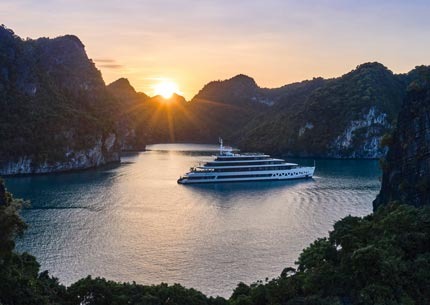
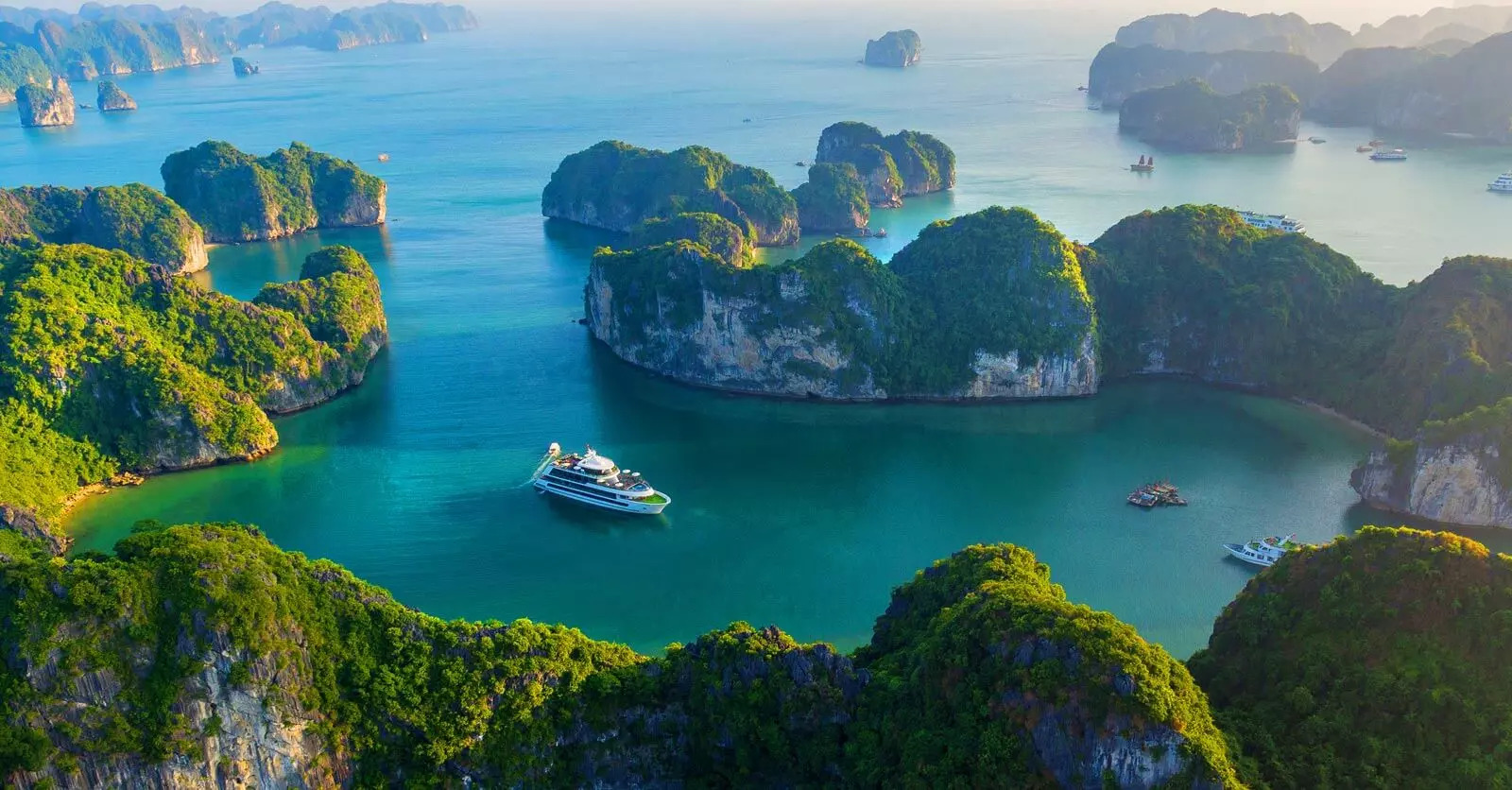
During this period, the famous Ha Giang Loop is at its most spectacular, with vibrant fall colors contrasting against the limestone karst landscape. The 3-day luxury cruise experience makes an excellent complement to a Ha Giang journey during this period, allowing you to experience both mountain and coastal beauty in one trip.
Second-Best Option: March 15 – April 30, 2026
Spring in Ha Giang offers a different but equally compelling experience:
- Pleasant temperatures (12-25°C) with gradual warming
- Moderate humidity (65-75%) that’s comfortable for most travelers
- Wildflower blooms including famous buckwheat and peach blossoms
- Increasing daylight hours providing extended exploration time
- Vibrant green rice terraces being prepared for planting
- Traditional spring festivals including the famous Khau Vai Love Market (April 2025)
- Fewer domestic tourists compared to holiday periods
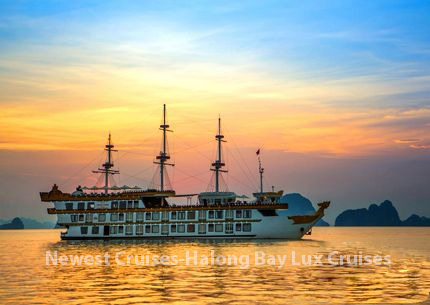
Spring represents renewal in Ha Giang, with plum and peach blossoms creating a pink and white tapestry across the mountainsides. The 2-day Halong Bay luxury cruise makes an excellent starting or ending point for your northern Vietnam adventure during spring.
Must-See Highlights in Ha Giang (Even During Challenging Weather)
Even if you find yourself in Ha Giang during less-than-ideal weather, certain experiences remain worthwhile:
Ma Pi Leng Pass – The “King of Passes”
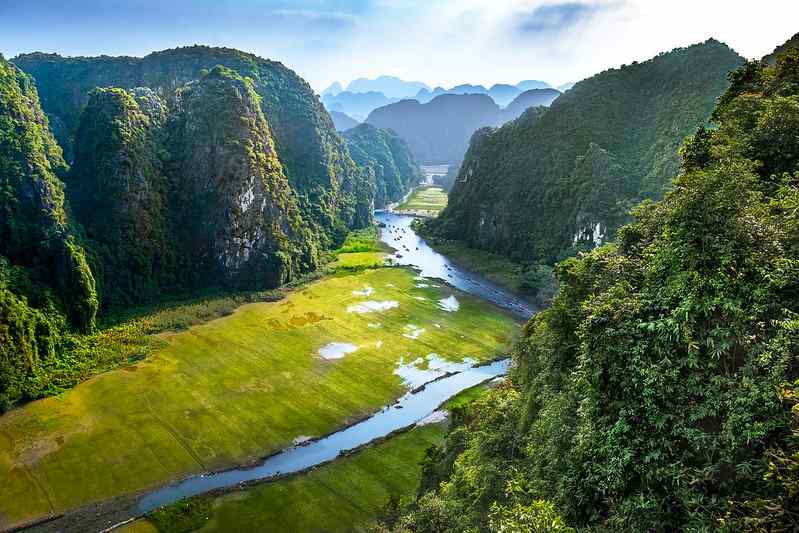
This 20-kilometer mountain pass connecting Dong Van and Meo Vac offers Vietnam’s most dramatic road views:
- Elevation: Reaches 1,500 meters above sea level
- Views: Overlooks the emerald Nho Que River cutting through limestone gorges
- Photography: Best at Ma Pi Leng Viewpoint (GPS: 23.2325° N, 105.3969° E)
- Safety note: Exercise extreme caution during rainy periods; consider guided tours
- Insider tip: Visit early morning (6-8am) for the best lighting and fewer tourists
Even in suboptimal weather, the misty conditions can create a mystical atmosphere across the deep valleys.
Dong Van Karst Plateau Geopark
This UNESCO-recognized geopark showcases over 550 million years of Earth’s history:
- Area: Spans 2,356 square kilometers across four districts
- Geological features: Ancient limestone formations, marine fossils, and dramatic karst landscapes
- Cultural significance: Home to 17 ethnic minority groups
- Must-visit sites: Lung Cu Flag Tower (northernmost point of Vietnam) and Sa Phin H’mong King’s Palace
- Accessibility: Remains partially accessible even during rainy season
The unique geology creates a landscape that remains impressive regardless of weather conditions, though photography opportunities may be limited during heavy rain.
Ethnic Markets of Ha Giang
These vibrant gatherings offer cultural immersion beyond typical tourist experiences:
- Dong Van Sunday Market: The largest and most accessible (6am-12pm)
- Meo Vac Sunday Market: Known for livestock trading and traditional crafts
- Lung Phin Market (Thursdays): More authentic with fewer tourists
- Quản Bạ Market (Sundays): Convenient location closer to Ha Giang city
- Cultural experience: Opportunity to witness traditional dress, handicrafts, and food
Markets operate rain or shine, making them reliable attractions even during challenging weather. They offer covered areas where you can experience local culture while staying relatively dry.
Heaven’s Gate (Quản Bạ Pass)
This mountain pass presents the first breathtaking view when departing Ha Giang city:
- Elevation: 1,500 meters above sea level
- Highlights: Panoramic view of Tam Son town and the “Fairy Bosom” twin mountains
- Facilities: Observation platform, small café, and parking area
- Distance: Located just 45km from Ha Giang city
- Best timing: Early morning to avoid cloud cover
Even during foggy conditions, the view often clears periodically, creating dramatic scenes as clouds move across the valley.
Hmong King’s Palace (Dinh Vua Mèo)
This historical residence provides cultural insight regardless of weather:
- Built: 1902-1903 during French colonial period
- Architecture: Combines Chinese, French, and H’mong design elements
- Size: 64 rooms across two stories
- Historical significance: Home to the Vương family who ruled the region
- Location: Sa Phin village, approximately 24km from Dong Van
As an indoor attraction, the palace offers shelter during rain while providing fascinating cultural and historical context to Ha Giang’s development.
Advanced Travel Tips for Navigating Ha Giang’s Weather Challenges
Experienced travelers recommend these strategies for managing Ha Giang’s unpredictable conditions:
Motorbike Safety During Adverse Weather
If you’re embarking on the famous Ha Giang Loop by motorbike:
- Choose appropriate bikes: Semi-automatic or automatic bikes are easier for beginners in wet conditions
- Tire condition: Insist on checking tire tread depth (minimum 2mm) before rental
- Braking technique: Use 70% rear brake, 30% front brake on wet descents
- Riding schedule: Plan to finish riding by 4pm during monsoon season (afternoon storms)
- Gear investment: Consider bringing your own high-quality helmet with visor
- Speed management: Reduce speed by at least 30% compared to dry conditions
- Road hazards: Watch for gravel washouts after rain, especially on outer curves
While motorbike rental shops have improved in recent years, Ha Giang luxury cruises can arrange private car transport with experienced drivers as a safer alternative during challenging weather.
Accommodation Strategies for Different Seasons
Your accommodation choices should adapt to the season:
ainy season:
- Book properties with covered motorbike parking
- Select newer buildings (less likely to have leaks)
- Request rooms on upper floors to avoid potential ground-floor flooding
- Confirm 24-hour hot water availability (solar heaters may be insufficient)
- Choose accommodations with on-site restaurants to avoid traveling in rain
During cold season:
- Verify heating options (many budget accommodations lack heating)
- Select south-facing rooms for natural warmth
- Book properties with thick blankets or request extras
- Consider homestays with traditional fire pits for evening warmth
- Check for hot water reliability (some systems struggle in cold weather)
During transition seasons:
- Properties with outdoor spaces (terraces/gardens) maximize pleasant weather
- Rooms with good ventilation improve comfort
- Accommodations with views capitalize on clear visibility
- Consider homestays for authentic cultural experiences during ideal weather
Photography Tips for Variable Conditions
Ha Giang’s dramatic landscapes deserve quality photos regardless of weather:
- Equipment protection: Use silica gel packets in camera bags during humid periods
- Lens selection: Wide-angle lenses (16-35mm equivalent) capture dramatic landscapes best
- Lighting adaptation: Shoot during the “blue hour” (30 minutes before sunrise/after sunset) in clear conditions
- Fog opportunities: Embrace fog for mystical images rather than fighting it
- Subject selection: Focus on people and cultural details during poor visibility periods
- Technical settings: Use slightly higher contrast in misty/foggy conditions
- Post-processing: Learn basic editing to enhance images affected by flat lighting
Planning Your Visit: Practical Logistics
Effective planning can mitigate most weather-related challenges in Ha Giang:
Transportation Options and Weather Considerations
Your transportation choices should adapt to seasonal conditions:
From Hanoi to Ha Giang:
- Limousine van services: Most reliable year-round (5-6 hours)
- Public buses: Least expensive but most affected by weather delays
- Private car hire: Most flexible for stops and schedule adjustments
- Sleeper buses: Overnight option saves daylight hours but challenging in heavy rain
Within Ha Giang:
- Guided motorbike tours: Safest option with local expertise
- Self-drive motorbikes: Maximum flexibility but highest risk
- Private car with driver: Recommended during worst weather periods
- Easy Rider services: Ride as passenger with experienced local driver
Booking Windows and Cancellation Policies
Securing the right accommodations while maintaining flexibility:
- Book at least 2 months in advance for October-November peak season
- Look for properties offering 24-hour cancellation policies
- Consider booking.com properties with “free cancellation” for maximum flexibility
- For homestays, contact directly about weather-related cancellation options
- During rainy season, avoid non-refundable bookings when possible
Emergency Preparations
Safety precautions for Ha Giang’s remote environment:
- Register with your embassy or consulate before traveling to remote areas
- Purchase comprehensive travel insurance covering emergency evacuation
- Download offline maps and save emergency contact numbers
- Carry a basic first aid kit including water purification tablets
- Learn basic Vietnamese phrases for emergency situations
- Maintain at least a 30% power reserve on mobile devices
Combining Ha Giang With Other Northern Vietnam Destinations
Smart travelers often pair Ha Giang with other northern Vietnam experiences to maximize their journey:
Ha Giang and Halong Bay: Perfect Pairing
For a comprehensive northern Vietnam experience, consider combining the mountain landscapes of Ha Giang with the coastal beauty of Halong Bay:
- Ideal routing: Hanoi → Ha Giang (3-4 days) → Hanoi → Halong Bay (2-3 days)
- Seasonal alignment: Both destinations share optimal weather in October-November
- Experience contrast: Mountains and karst landscapes versus coastal seascapes
- Recovery opportunity: Relaxing cruise after physically demanding mountain travel
- Photography diversity: Dramatic landscape variety for memorable documentation
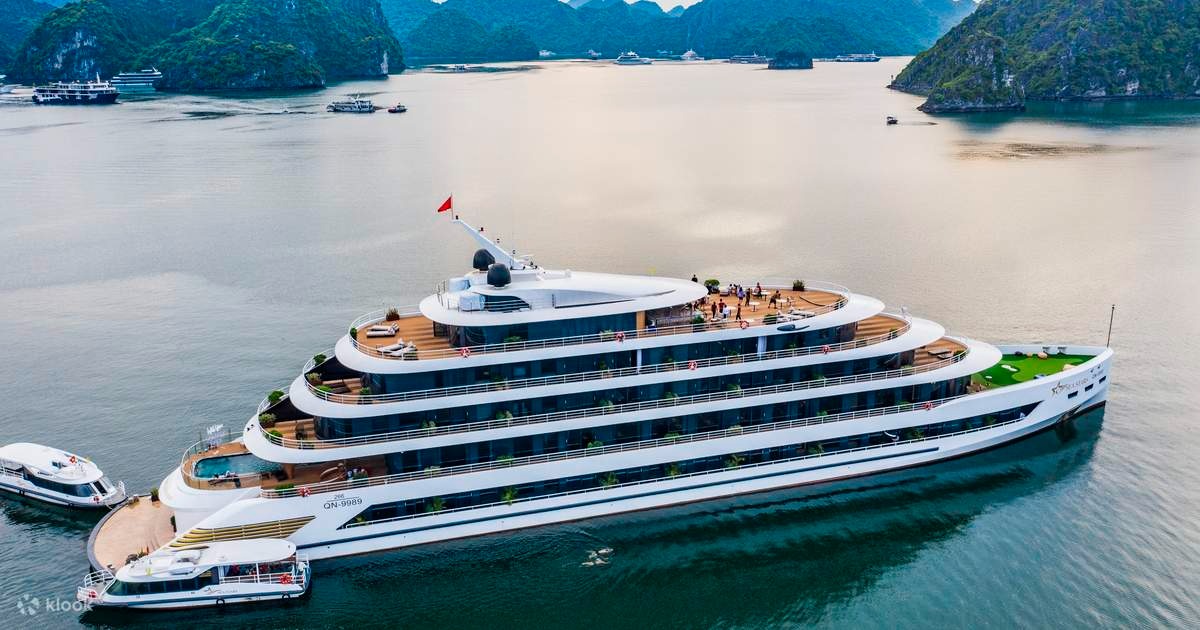
The Halong Bay Luxury Cruises offer the perfect complement to Ha Giang’s rugged adventure, providing comfort and relaxation after mountain exploration. Their 2-day Halong Bay experience allows you to witness the UNESCO World Heritage seascape without rushing.
For those with more time, the 3-day luxury cruise provides deeper exploration of both Halong and Lan Ha Bays, including kayaking, swimming, and cave visits in a comfortable setting.
Final Thoughts: Making the Most of Ha Giang in Any Season
Ha Giang remains one of Vietnam’s most extraordinary destinations regardless of when you visit. While this guide highlights the challenging periods, remember that even the “worst” times offer unique perspectives on this remarkable landscape.
The key to an unforgettable Ha Giang experience lies in proper preparation, realistic expectations, and flexibility. By understanding the climate patterns, packing appropriately, and building weather contingencies into your itinerary, you can discover the authentic beauty of Vietnam’s final frontier, whatever the skies may bring.
For those seeking the absolute best experience, aim for October 15 – November 15, 2025, when Ha Giang’s dramatic landscape is enhanced by perfect weather conditions and golden harvest colors. If your schedule only permits travel during challenging periods, consider balancing your northern Vietnam experience with the reliable comfort of a Halong Bay luxury cruise, where even rainy days offer their own unique beauty.
Whatever season you choose, Ha Giang’s breathtaking landscapes and rich cultural heritage will leave you with memories that last a lifetime.
- Hotline | WhatsApp: +84.978.358.422
- Phone | WhatsApp: +84.962.261.687
- Email: halongbayluxcruises@gmail.com or vietnammarveltravel@gmail.com
- Website: halongbayluxcruises.com
- Reviews: Top Halong Bay Cruise Reviews on TripAdvisor
- Fanpage: https://www.facebook.com/halongbayluxcruises