





9 Worst Times to Visit Bai Tu Long Bay: Essential Weather Guide for 2026
Considering a trip to Vietnam’s hidden bay paradise? Before booking, discover the challenging seasons and optimal times for your Bai Tu Long Bay adventure.
When planning your cruise through the emerald waters of northern Vietnam, timing is everything. While Bai Tu Long Bay offers breathtaking landscapes year-round, certain periods can significantly impact your experience. This comprehensive guide explores the worst times to visit Bai Tu Long Bay in2026, along with weather insights, packing recommendations, and the ideal months to experience this natural wonder at its best.

Understanding Bai Tu Long Bay’s Geography and Appeal
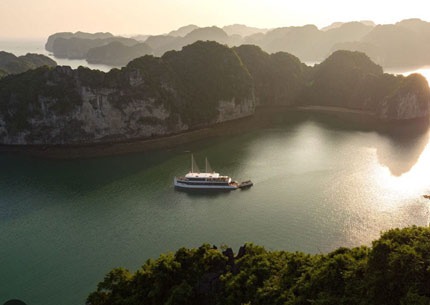
Stretching northeast of the more famous Halong Bay, Bai Tu Long Bay remains the less-crowded gem of Vietnam’s coastal treasures. This UNESCO World Heritage area spans approximately 158 square kilometers, featuring over 1,600 limestone islands and islets emerging dramatically from crystal-clear waters.
The bay’s unique appeal lies in its pristine condition and lower tourist density compared to neighboring Halong Bay. Visitors can experience authentic floating villages, untouched beaches, and magnificent caves without the crowds. However, the region’s weather patterns directly influence accessibility, visibility, and overall enjoyment of these attractions.
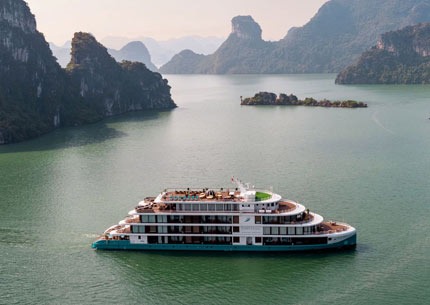
For travelers seeking the quintessential Vietnamese coastal experience with premium comfort, Halong Bay Lux Cruises offers carefully timed itineraries designed to showcase the bay’s beauty while navigating around challenging weather periods.
Seasonal Weather Patterns in Bai Tu Long Bay
Spring Climate (March to May)
Spring represents a transition period in Bai Tu Long Bay, characterized by:
- Temperature range: 19-28°C (66-82°F)
- Humidity levels: Moderate (70-80%)
- Rainfall average: 60-120mm per month
- Water visibility: 3-5 meters (excellent for underwater photography)
- Wind conditions: Generally calm with occasional light breezes
During this season, the bay experiences a perfect balance of warmth and coolness. Morning mists create magical scenes as they lift from the limestone karsts, while afternoons tend to be clear and ideal for kayaking and swimming.
Summer Weather Conditions (June to August)
Summer brings the most challenging weather to Bai Tu Long Bay:
- Temperature range: 28-35°C (82-95°F), with heat indices often exceeding 40°C (104°F)
- Humidity levels: Extremely high (85-95%)
- Rainfall average: 200-350mm per month
- Typhoon risk: Highest of the year (3-5 tropical storms typically affecting the region)
- Water conditions: Often choppy with reduced visibility (1-2 meters)
The combination of intense heat, suffocating humidity, and frequent heavy downpours makes summer the most challenging time for visitors. Cruise cancellations become common due to safety concerns during this period.
Autumn Characteristics (September to November)
As summer transitions to autumn, the bay undergoes a remarkable transformation:
- Temperature range: 22-28°C (72-82°F)
- Humidity levels: Gradually decreasing (70-85%)
- Rainfall average: 130-180mm, decreasing significantly by November
- Wind conditions: Light to moderate
- Water clarity: Improving to 3-4 meters by late October
The autumn months deliver some of the most photogenic conditions in Bai Tu Long Bay, with dramatic skies, golden light, and increasingly comfortable temperatures.
Winter Elements (December to February)
- Temperature range: 14-22°C (57-72°F)
- Humidity levels: Lower (65-75%)
- Rainfall average: 20-40mm per month
- Fog frequency: 15-20 days per month with morning fog
- Wind chill factor: Can make temperatures feel 3-5°C cooler on the water
The 9 Worst Times to Visit Bai Tu Long Bay in 2026
1. Peak Typhoon Season (July-August)
The absolute worst time to visit Bai Tu Long Bay coincides with the height of typhoon season. During July and August, meteorological forecasts predict:
- 4-6 potential tropical storms or typhoons affecting the Gulf of Tonkin
- Wind speeds potentially exceeding 120 km/h (75 mph)
- Storm surges affecting coastal areas
- Cruise cancellation rates of approximately 30-40%
During these months, even when cruises operate, the experience is often compromised by heavy rain, poor visibility, and rough seas. Many cave excursions and kayaking activities become unavailable due to safety concerns.
2. Extreme Heat Period (Late June)
Late June typically marks the peak of summer heat in northern Vietnam before the monsoon rains provide relief. Visitors during this period face:
- Daytime temperatures consistently above 33°C (91°F)
- Heat indices reaching 43°C (109°F) due to extreme humidity
- Limited outdoor activity time (typically restricted to early morning or evening)
- Increased risk of heat-related illness during excursions
The combination of heat and humidity makes outdoor activities extremely uncomfortable, even for those accustomed to tropical climates.
3. Heavy Monsoon Rains (Early September )
While September generally begins the transition to better weather, early September can still experience the tail end of monsoon conditions:
- Potential for 100mm+ rainfall days
- Flash flooding in cave systems
- Reduced visibility for photography
- Muddy conditions on island excursions
The frequent heavy downpours during this period can significantly disrupt itineraries and limit the enjoyment of Bai Tu Long Bay’s natural wonders.
4. Chinese New Year Holiday Rush (February)
While winter weather is generally acceptable, the Chinese New Year period brings another challenge:
- Dramatically increased visitor numbers from China
- Price surges of 30-50% for accommodations and cruises
- Limited availability on premium cruise options
- Overcrowding at major attractions
This period represents the worst combination of moderate weather conditions with peak tourist congestion.
5. “Grey Days” of Late Winter (January-February)
Late winter brings a phenomenon locals call the “grey days”:
- Persistent fog reducing visibility to less than 100 meters
- Drizzling rain that may last for 5-7 consecutive days
- Temperatures hovering around 15-18°C (59-64°F)
- High humidity making the cold feel more penetrating
These conditions significantly diminish the visual spectacle of Bai Tu Long Bay’s limestone formations and make for challenging photography conditions.
6. Pre-Monsoon Humidity Spike (Late May)
Just before the summer rains begin, Bai Tu Long Bay experiences a distinctive weather pattern:
- Extreme humidity (90%+) without the relief of rain
- Stagnant air conditions with minimal breeze
- Hazy skies reducing visibility and photographic clarity
- Uncomfortable nighttime sleeping conditions on cruise boats
This combination creates some of the most physically uncomfortable conditions for visitors throughout the year.
7. Regional Burning Season Effects (March)
Northern Vietnam occasionally experiences air quality issues during March due to agricultural burning in the region:
- Reduced visibility from smoke haze
- Potential respiratory discomfort for sensitive individuals
- Diminished photo quality with flat, hazy light
- Less vibrant sunrises and sunsets
While not as severe as the summer challenges, this period can disappoint photographers seeking clear views of the bay’s dramatic landscapes.
8. Early Winter Cold Snaps (December)
Occasionally, December experiences sudden cold fronts from China that bring:
- Temperature drops to 10-12°C (50-54°F)
- Strong northerly winds creating choppy waters
- Windchill making outdoor activities uncomfortable
- Limited swimming opportunities
These cold snaps typically last 3-5 days but can significantly impact cruise experiences during this period.
9. Late October Transitional Rains
While October is generally excellent, late October occasionally experiences:
- Brief but intense rainstorms
- Temporary water discoloration near the coast
- Minor flooding in cave systems
- Short-term activity cancellations
These transitional weather events typically pass quickly but can affect short-duration visits disproportionately.
Essential Packing List for Different Seasons
Summer Monsoon Essentials (June-August)
If you must visit during the challenging summer months, pack strategically:
- Lightweight, quick-dry clothing: At least 3-4 sets as humidity prevents normal drying
- High-quality rain jacket with sealed seams (poncho-style options often fail in heavy winds)
- Waterproof phone case rated for full submersion
- Anti-fog spray for camera lenses and glasses
- Electrolyte packets to prevent dehydration in high humidity
- Waterproof footwear with non-slip soles for wet deck conditions
- Moisture-wicking underwear (cotton becomes problematic in extreme humidity)
- Dry bags in multiple sizes for electronics and documents
- Insect repellent with at least 25% DEET concentration
- Anti-nausea medication for potentially rough waters
Winter Comfort Kit (December-February)
The cooler months require different preparation:
- Lightweight down jacket or thermal layer for morning deck viewing
- Waterproof windbreaker to combat sea breezes
- Thermal base layers for sleeping comfort on boats
- Waterproof hiking shoes with good traction for cave explorations
- Quick-dry travel towel (high humidity prevents normal drying)
- Polarized sunglasses to cut through winter haze and enhance water views
- Thermos bottle for hot beverages during chilly morning excursions
- Pashmina or lightweight scarf for versatile warmth
- Moisturizer and lip balm to combat dry winter winds
- Portable dehumidifier packets for camera equipment storage
Ideal Season Essentials (March-May, October-November)
During the prime visiting seasons, focus on versatility:
- Convertible pants/shorts for variable temperatures
- Light, long-sleeved shirts for sun protection
- High-quality sunscreen (minimum SPF 50)
- Light sweater or jacket for evening deck activities
- Comfortable water shoes for beach landings and kayaking
- Dry bag for electronics during water activities
- Wide-brimmed hat with chin strap (for windy conditions)
- Insect repellent for dawn/dusk activities
- Binoculars for wildlife viewing
- Portable battery pack for extended photography sessions
The Best Times to Visit Bai Tu Long Bay
After analyzing the challenging periods, it’s clear that certain times offer optimal experiences in Bai Tu Long Bay:
Mid-October to Mid-November: The Golden Season
This six-week window represents the absolute best time to visit, featuring:
- Average temperatures of 22-26°C (72-79°F)
- Humidity levels around 70-75%
- Minimal rainfall (typically less than 60mm for the entire period)
- Exceptional water clarity (5+ meters visibility)
- Stunning sunset conditions with dramatic cloud formations
- Reduced tourist numbers compared to spring
During this period, visitors can experience the full range of activities with the highest probability of perfect weather conditions. The 3-day luxury cruise packages are particularly recommended during this season, as they allow travelers to explore more remote sections of the bay under ideal conditions.
Late March to Early May: Spring Sweet Spot
The spring sweet spot offers:
- Comfortable temperatures averaging 22-25°C (72-77°F)
- First access to swimming after winter
- Lush green vegetation on limestone islands
- Excellent photography conditions with clear mornings
- Vibrant local fishing activity to observe
This period balances comfortable conditions with reasonable pricing before the summer peak rates. For travelers with limited time, the 2-day cruise options provide an efficient way to experience the bay’s highlights during this favorable weather window.
Late November to Early December : The Value Season
For budget-conscious travelers seeking good conditions:
- Mild temperatures around 18-22°C (64-72°F)
- Very low rainfall probability
- Reduced tourist numbers
- Cruise discounts of 15-30%
- Clear skies with excellent visibility most days
While swimming might be limited due to cooler water temperatures, all other activities remain fully accessible during this period of excellent value.
Unmissable Highlights of Bai Tu Long Bay
Regardless of when you visit, certain experiences define the Bai Tu Long Bay journey:
Vung Vieng Floating Village Experience
Unlike the more commercialized floating villages elsewhere, Vung Vieng offers:
- Authentic fishing community of approximately 50 households
- Traditional pearl farming demonstrations
- 300-year history of continuous habitation
- Local culinary experiences featuring fresh seafood
- Cultural interactions with genuine fishing families
The village is most accessible during October-November and March-May when calm waters allow easy transportation between the floating structures.
Thien Canh Son Cave Exploration
This remarkable cave system features:
- 400-meter-long limestone formation
- Dramatic stalactites up to 4 meters in length
- Natural light phenomena during midday hours
- Ancient rock formations estimated at 20 million years old
- Spiritual significance to local communities
The cave is best visited during the dry season when pathways remain safe and lighting conditions enhance the natural beauty.
Secluded Beach Landings at Ban Chan Beach
This pristine beach destination offers:
- 300 meters of white sand coastline
- Crystal-clear swimming conditions (during appropriate seasons)
- Spectacular limestone backdrop rising 100+ meters
- Exclusive access limited to certain cruise operators
- Natural coral formations visible during low tide
The beach experience is optimal during late April and October when water temperatures and clarity combine for perfect swimming conditions.
Sunrise Tai Chi on Cruise Decks
This magical morning experience provides:
- Traditional instruction from experienced practitioners
- Perfect photography lighting as the sun emerges between karsts
- Temperature-comfortable morning exercise before daily heat
- Cultural immersion in Vietnamese wellness practices
- Tranquil waters reflecting golden morning light
This activity is particularly recommended during October-November when morning fog is minimal and temperatures are comfortable.
Nighttime Squid Fishing with Local Guides
This authentic evening activity includes:
- Traditional techniques used by generations of local fishermen
- Bioluminescent plankton viewing opportunities (seasonal)
- Fresh seafood cooking demonstrations
- Cultural exchange with English-speaking local guides
- Stargazing opportunities away from light pollution
The experience is most productive during the shoulder seasons when squid are abundant and evening conditions remain comfortable.
Final Thoughts on Timing Your Bai Tu Long Bay Visit
While we’ve outlined the worst times to visit Bai Tu Long Bay in detail, the reality is that with proper planning and expectations, even challenging periods can offer unique perspectives on this natural wonder. The key lies in understanding the specific weather patterns, preparing appropriately, and working with experienced cruise operators who can maximize your experience regardless of conditions.
For travelers seeking the perfect balance of comfortable weather, optimal activities, and reasonable pricing, the late October to mid-November period in 2026 stands out as the clear winner. During this golden window, visitors can experience Bai Tu Long Bay’s limestone landscapes, emerald waters, and cultural treasures under nearly perfect conditions.
Before finalizing your booking, consult with specialists at Halong Bay Lux Cruises who monitor seasonal patterns and can provide up-to-date guidance based on the latest climate projections for 2026. Their expertise ensures you’ll experience the magnificent Bai Tu Long Bay at its absolute best, regardless of when you choose to visit.
- Hotline | WhatsApp: +84.978.358.422
- Phone | WhatsApp: +84.962.261.687
- Email: halongbayluxcruises@gmail.com or vietnammarveltravel@gmail.com
- Website: halongbayluxcruises.com
- Reviews: Top Halong Bay Cruise Reviews on TripAdvisor
- Fanpage: https://www.facebook.com/halongbayluxcruises