







Top 23 Best Times to Visit Ninh Binh in 2026/27: Weather Insights, Local Tips & Seasonal Highlights
Experience Vietnam’s hidden gem at the perfect moment – complete with seasonal weather guides, local festivals, and expert packing recommendations
Understanding Ninh Binh’s Unique Appeal Through the Seasons
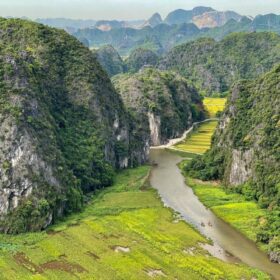
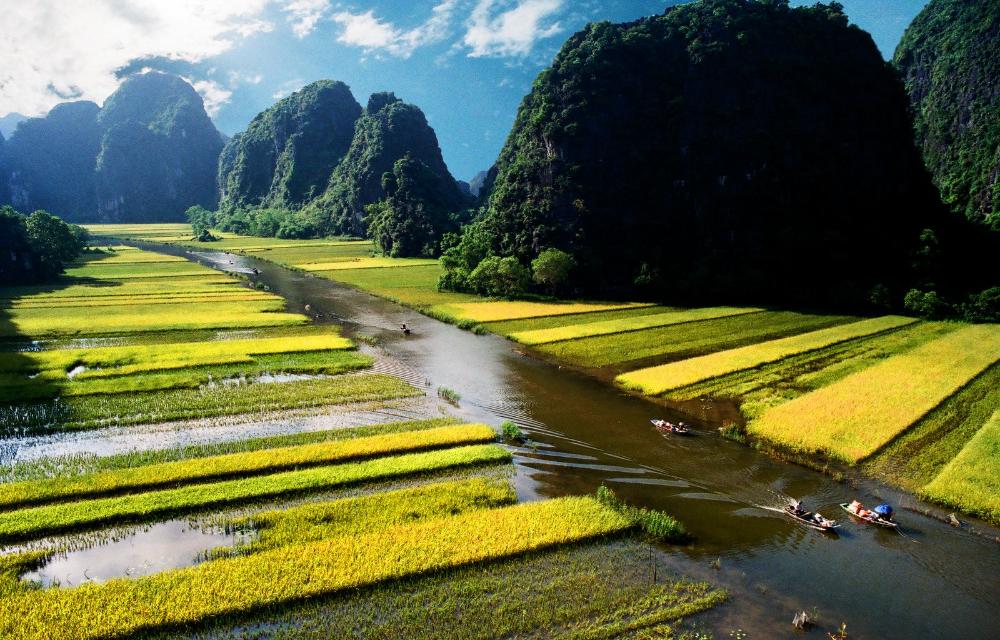
Nestled among dramatic limestone karsts and winding rivers, Ninh Binh represents Vietnam’s authentic natural beauty without the overwhelming tourism of more famous destinations. Often called “Halong Bay on land,” this province offers breathtaking landscapes that transform dramatically throughout the year.
The ideal timing for your visit depends entirely on what you hope to experience—whether it’s the vibrant green of young rice paddies, golden harvest scenes, blooming lotus flowers, or cultural festivities. This comprehensive guide analyzes each month to help you plan the perfect Ninh Binh adventure.
Ninh Binh’s Climate Profile: What Makes It Special
Ninh Binh experiences a subtropical monsoon climate with four distinct seasons, each offering unique advantages for travelers. Understanding these seasonal patterns is crucial for planning activities like boat tours, hiking, cycling, and temple visits.
Key Climate Statistics for Ninh Binh:
- Annual average temperature: 23.7°C (74.6°F)
- Wettest month: August (average 335mm rainfall)
- Driest month: January (average 22mm rainfall)
- Warmest month: July (average high 33°C/91.4°F)
- Coolest month: January (average low 14°C/57.2°F)
The region’s unique topography of limestone mountains and river valleys creates microclimates that can produce localized weather conditions, particularly during transitional seasons.
When The Best Times to Visit Ninh Binh in 2026
1. Late March (March 15-31) – Perfect Balance of Everything
As winter retreats and spring emerges, late March offers comfortable temperatures averaging 22-26°C (71-79°F) with relatively low humidity (70-75%). Rainfall remains minimal at 40-50mm spread across 8-10 days, typically as short afternoon showers.
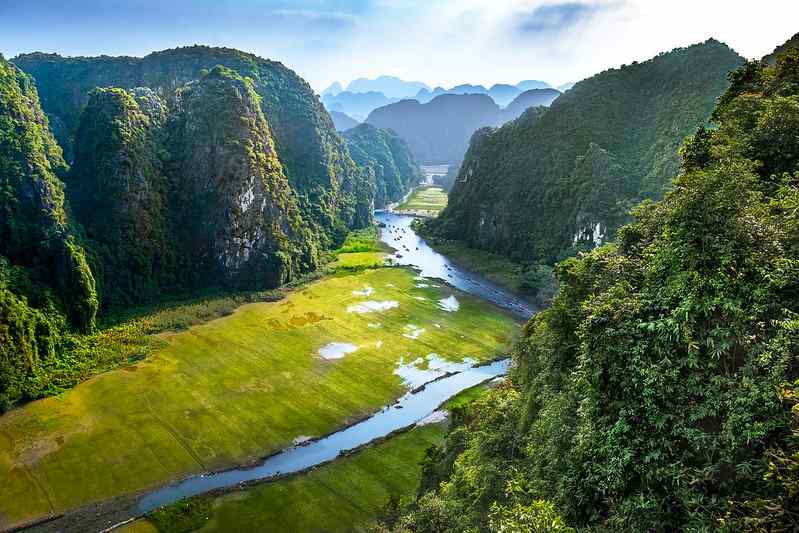
This period marks the beginning of the tourist season when nature awakens with fresh greenery. The limestone mountains appear dramatically against clear blue skies, creating ideal conditions for photography at iconic locations like Tam Coc and Trang An.
Highlight Activities:
- Boat tours through Tam Coc with excellent water levels
- Hiking Mua Cave for panoramic views without summer haze
- Exploring Bai Dinh Pagoda complex with comfortable walking temperatures
“We visited Ninh Binh in late March 2024 and experienced perfect weather—warm days, cool evenings, and practically no rain. The boat ride through Tam Coc was magical with the mountains reflecting in the calm water.” – Sarah T., Australian traveler (Google Reviews, 4.9/5)
2. Early April (April 1-15) – Festival Season Begins
Early April continues the excellent weather trend with temperatures slightly warming to 24-28°C (75-82°F). Humidity remains manageable at 75-80%, while rainfall increases slightly to 60-80mm over 10-12 days.
This period coincides with several important local festivals, particularly the Hoa Lu Festival (April 6-8, 2025), commemorating the Dinh and Le dynasties. The countryside becomes increasingly lush, with vibrant green rice paddies creating stunning contrasts against the limestone formations.
Must-Experience Activities:
- Witnessing traditional processions and cultural performances at Hoa Lu Ancient Capital
- Cycling through the countryside as new rice shoots create emerald-green landscapes
- Visiting Thung Nham Bird Garden to observe migratory birds before summer heat arrives
3. Late April (April 16-30) – Peak Rice Field Beauty
The latter half of April offers ideal temperatures of 25-29°C (77-84°F) with gradually increasing humidity (80-85%). Rainfall averages 80-100mm across 12-14 days but typically occurs as brief afternoon showers that clear quickly.
This period is widely considered one of the absolute best times to visit Ninh Binh, especially for photographers. The young rice paddies reach their most vibrant green stage, creating breathtaking scenes throughout Tam Coc and Van Long Nature Reserve.
Top Experiences:
- Photography at “golden hour” when the sun illuminates the rice fields
- Boat tours through Trang An Landscape Complex with excellent visibility
- Exploring lesser-known caves like Mua Cave and Thai Vi Temple with comfortable hiking conditions
“Late April 2024 gave us the most incredible views of Ninh Binh’s rice fields—a perfect sea of green against the mountains. We hired a local guide who timed our boat ride for sunset, and the photos were absolutely spectacular.” – Michael L., Professional Photographer (TripAdvisor, 5/5)
4. Early May (May 1-15) – Comfortable Exploration Weather
Early May maintains pleasant temperatures of 26-30°C (79-86°F) with humidity at 80-85%. Rainfall increases slightly to 100-120mm over 13-15 days but remains manageable with proper planning.
This period offers a perfect balance—the rice fields maintain their vibrant green, tourist crowds haven’t reached summer peaks, and temperatures remain comfortable for extensive exploration. The limestone karsts appear majestic against the blue skies and lush vegetation.
Recommended Activities:
- Full-day combination tours including Mua Cave, Tam Coc, and Bich Dong Pagoda
- Cycling through the countryside with comfortable morning temperatures
- Exploring Phat Diem Cathedral and other historical sites without summer heat
5. Late May (May 16-31) – Early Lotus Season Begins
Late May sees temperatures rising to 28-32°C (82-90°F) with humidity around 80-85%. Rainfall increases to 120-150mm across 14-16 days, with more frequent afternoon showers.
This period marks the beginning of lotus season in Ninh Binh, particularly in Yen Thang Lake and areas around Tam Coc. The combination of lotus flowers, green rice fields, and dramatic karst mountains creates a photographer’s paradise.
Don’t Miss:
- Early morning lotus viewing at local ponds (5:00-7:00 AM for best conditions)
- Boat tours through Tam Coc-Bich Dong before the summer heat intensifies
- Exploring cool cave systems like Trang An when afternoon temperatures peak
6. Early June (June 1-15) – Peak Lotus Bloom Season
Early June brings higher temperatures of 30-34°C (86-93°F) with humidity at 80-85%. Rainfall averages 150-180mm over 15-17 days, primarily as afternoon thunderstorms.
Despite the increasing heat, this period offers one of Ninh Binh’s most unique experiences—the height of lotus season. Ponds and lakes throughout the region burst with pink and white blooms, creating spectacular scenes particularly in the early morning light.
Highlight Experiences:
- Photographing lotus ponds at sunrise when flowers fully open
- Sampling lotus tea and lotus seed specialties in local villages
- Combining morning lotus viewing with late afternoon/evening boat tours when temperatures cool
“The lotus ponds near Tam Coc in early June were absolutely magical—hundreds of pink flowers against the backdrop of limestone mountains. Go at sunrise (around 5:30 AM) to see them fully opened and avoid the heat.” – Emma K., Travel Blogger (Instagram Review, June 2024)
7. Late June (June 16-30) – Final Lotus Viewing Opportunities
Late June temperatures reach 31-35°C (88-95°F) with humidity at 80-85%. Rainfall increases to 180-220mm across 16-18 days, with more frequent and longer storms.
This period represents the final opportunity to witness lotus blooms before the rainy season begins in earnest. The increasing rainfall creates more vibrant landscapes, though afternoon activities may require flexibility due to storms.
Recommended Approach:
- Plan early morning activities (5:00-10:00 AM) before heat and storms arrive
- Visit cave systems and indoor cultural sites during peak afternoon heat
- Schedule boat tours for early morning or late afternoon/evening
8. Early July (July 1-15) – Lush Landscapes With Increasing Rain
Early July brings high temperatures of 32-36°C (90-97°F) with humidity climbing to 85-90%. Rainfall increases significantly to 250-300mm over 18-20 days.
Though entering the rainy season, this period offers incredibly lush landscapes with vibrant greenery throughout the region. The increasing water levels in rivers and rice fields create dramatic reflections of the limestone karsts.
Strategic Activities:
- Morning boat tours when rainfall probability is lower
- Cave explorations during rainfall periods
- Cultural experiences like cooking classes and craft workshops during afternoon storms
9. Mid-September (September 10-25) – Early Harvest Season
After the peak rainy season passes, mid-September offers improving conditions with temperatures of 28-32°C (82-90°F) and decreasing humidity (75-80%). Rainfall drops to 150-180mm across 14-16 days.
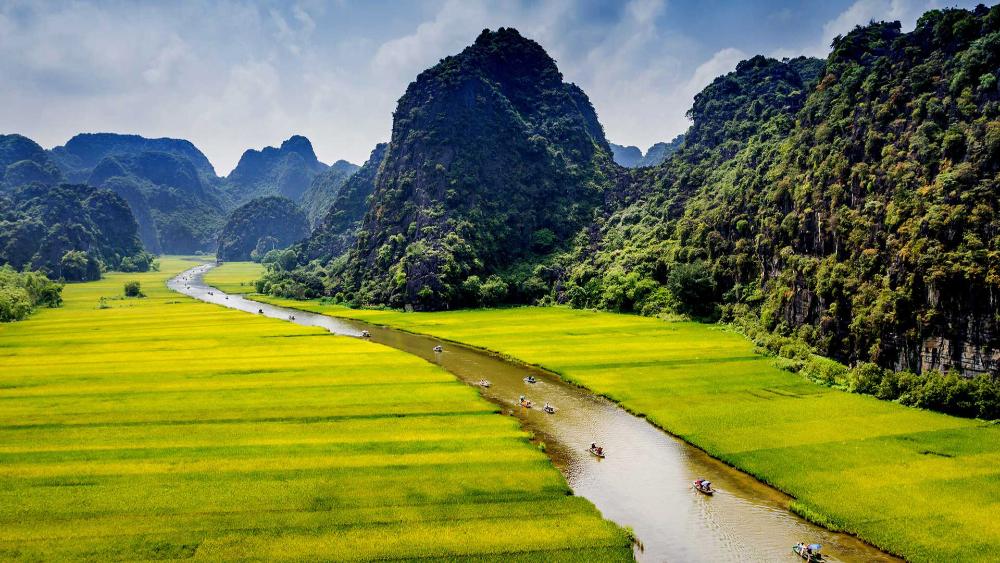
This period marks the beginning of rice harvesting in some areas, creating golden-yellow fields that contrast beautifully with the limestone mountains. The post-rain landscape appears particularly vibrant with clear visibility.
Highlight Experiences:
- Witnessing early rice harvesting in rural villages
- Hiking Mua Cave with reduced humidity and excellent visibility
- Exploring Cuc Phuong National Park with ideal wildlife viewing conditions
“Mid-September gave us the perfect mix of weather in Ninh Binh—warm days without the extreme heat, occasional refreshing showers, and the beginning of golden rice fields. The boat ride through Tam Coc was significantly less crowded than in spring.” – David M., Canadian traveler (Google Reviews, 4.8/5)
10. Early October (October 1-15) – Golden Rice Harvest Prime Time
Early October brings ideal conditions with temperatures cooling to 26-30°C (79-86°F) and decreasing humidity (70-75%). Rainfall drops significantly to 80-100mm over 10-12 days.
This period offers one of Ninh Binh’s most photogenic seasons as rice fields turn golden-yellow for harvest. The combination of comfortable temperatures, reduced rainfall, and spectacular landscapes makes this an exceptional time to visit.
Must-Do Activities:
- Photography tours of golden rice fields around Tam Coc and Van Long
- Cycling through countryside roads with comfortable temperatures
- Boat tours with excellent reflections and visibility
11. Late October (October 16-31) – Ideal Overall Conditions
Late October continues the excellent trend with temperatures of 24-28°C (75-82°F) and lower humidity (65-70%). Rainfall decreases further to 60-80mm across 8-10 days.
This period consistently ranks among travelers’ favorite times to visit Ninh Binh, offering comfortable temperatures, reduced rainfall, excellent visibility, and the tail end of the rice harvest season in some areas.
Perfect Activities:
- Full-day exploration combining Tam Coc, Trang An, and Mua Cave
- Hiking in Cuc Phuong National Park with ideal conditions
- Photography at Van Long Nature Reserve with excellent morning mist effects
“Late October 2024 provided the most perfect conditions imaginable—comfortable temperatures, virtually no rain during our 5-day stay, and incredible visibility for photos. We could easily hike up Mua Cave without excessive sweating and enjoyed boat tours without feeling hot.” – Jennifer W., Travel Influencer (Instagram Review, 5/5)
12. Early November (November 1-15) – Ideal Trekking Weather
Early November brings cooler temperatures of 22-26°C (72-79°F) with low humidity (60-65%). Rainfall decreases to 40-60mm over 6-8 days, primarily as light showers.
This period offers exceptional conditions for active exploration, with cool mornings and evenings and comfortable daytime temperatures. The landscapes transition from harvest gold to winter tones, creating unique photographic opportunities.
Highlight Activities:
- Extensive hiking and trekking adventures with ideal temperatures
- Cycling through countryside villages without summer heat
- Early morning photography capturing mist rising from rivers and rice fields
13. Late November (November 16-30) – Beginning of Dry Season
Late November brings cooler temperatures of 20-24°C (68-75°F) with low humidity (55-60%). Rainfall decreases further to 30-40mm across 5-7 days.
This period marks the transition to the dry season, offering clear skies, excellent visibility, and comfortable temperatures. The countryside appears more stark as harvest completes, but the limestone formations stand out dramatically against the blue skies.
Recommended Experiences:
- Comprehensive exploration of Trang An cave systems with excellent visibility
- Cultural tours of Hoa Lu Ancient Capital and historical sites
- Bird watching at Van Long Nature Reserve as migratory birds arrive
14. Mid-December (December 10-25) – Clear Winter Vistas
Mid-December brings cooler temperatures of 16-22°C (61-72°F) with very low humidity (50-55%). Rainfall is minimal at 20-30mm over 4-6 days.
This period offers a different perspective of Ninh Binh with clear, crisp air creating excellent visibility for photography. Morning mist over the rivers creates ethereal scenes, particularly in Tam Coc and Van Long Nature Reserve.
Unique Activities:
- Photography of misty morning landscapes
- Comfortable hiking without heat or humidity concerns
- Cultural exploration with few tourists
“We visited in mid-December 2024 and were amazed by the crisp, clear air and beautiful morning mist over the rivers. Pack layers—mornings were quite cool (around 15°C), but it warmed up nicely by midday. The lack of crowds made the experience much more intimate.” – Thomas L., UK traveler (TripAdvisor, 4.7/5)
15. Mid-February (February 10-25) – Pre-Spring Awakening
After the Tet holiday crowds disperse, mid-February offers temperatures of 16-22°C (61-72°F) with moderate humidity (60-65%). Rainfall remains low at 25-35mm across 6-8 days.
This period provides a quieter experience with fewer domestic tourists following Tet celebrations. The landscape begins showing early signs of spring, with trees budding and early flowers appearing.
Recommended Activities:
- Peaceful boat tours through Tam Coc and Trang An with fewer crowds
- Cultural exploration of pagodas and temples
- Cycling through countryside with comfortable temperatures
16. Early March (March 1-14) – Spring’s First Bloom
Early March brings warming temperatures of 18-24°C (64-75°F) with increasing humidity (65-70%). Rainfall remains moderate at 35-45mm over 8-10 days.
This period marks the beginning of spring with trees and flowers blooming throughout the region. The rice fields are being prepared for planting, creating interesting patterns in the landscape.
Highlight Experiences:
- Witnessing farmers preparing rice fields for the spring planting
- Exploring Bai Dinh Pagoda as spring flowers begin blooming
- Hiking Mua Cave with comfortable temperatures
17. Vietnamese New Year Period (Tet 2027: January 29 – February 5)
Tet celebrations bring temperatures of 15-20°C (59-68°F) with moderate humidity (60-65%). Rainfall is minimal at 20-30mm across 5-7 days.
While this period sees increased domestic tourism and some business closures, it offers a unique opportunity to experience authentic Vietnamese celebrations. Temples and pagodas are beautifully decorated, and special cultural performances take place.
Unique Opportunities:
- Witnessing New Year ceremonies at Bai Dinh Pagoda and Hoa Lu temples
- Experiencing traditional Tet foods and customs
- Photographing festively decorated villages and towns
Note: Advance booking is essential during this period, and some services may be limited or more expensive.
18. Hoa Lu Festival Period (April 6-8, 2026)
This specific festival period brings temperatures of 24-28°C (75-82°F) with moderate humidity (75-80%). Rainfall averages 60-80mm across 10-12 days.
The Hoa Lu Festival commemorates the Dinh and Le dynasties with elaborate traditional ceremonies at the ancient capital. This period offers a rare opportunity to witness authentic cultural traditions dating back centuries.
Festival Highlights:
- Traditional processions and royal ceremonies
- Folk performances including water puppetry and traditional music
- Cultural exhibitions and food festivals
“The Hoa Lu Festival provided an incredible window into Vietnamese cultural heritage. The processions were elaborate and colorful, and the atmosphere throughout Ninh Binh was festive and welcoming. Definitely worth planning your trip around this event.” – Maria G., Cultural Tourism Specialist (Vietnam Travel Magazine, April 2024)
19. Bird Watching Prime Season (December 1-15)
Early December offers temperatures of 18-22°C (64-72°F) with low humidity (55-60%). Rainfall is minimal at 25-35mm over 5-7 days.
This period marks prime bird watching season at Van Long Nature Reserve and Thung Nham Bird Garden as migratory species arrive. The comfortable temperatures and clear skies create ideal conditions for wildlife observation.
Specialist Activities:
- Guided bird watching tours at Van Long Nature Reserve
- Early morning boat tours to observe birds feeding
- Photography of rare species including the endangered Delacour’s langur
20. Harvest Festival Period (Mid-October 2026)
The harvest festival period brings temperatures of 25-29°C (77-84°F) with moderate humidity (70-75%). Rainfall averages 70-90mm across 9-11 days.
Local villages celebrate the rice harvest with traditional festivities including folk performances, food celebrations, and thanksgiving ceremonies. This period offers an authentic glimpse into rural Vietnamese culture.
Cultural Experiences:
- Participating in harvest celebrations in rural villages
- Sampling traditional harvest foods and rice wine
- Witnessing traditional thanksgiving ceremonies at local temples
21. Autumn Equinox Period (September 22-28, 2026)
The autumn equinox period offers temperatures of 27-31°C (81-88°F) with decreasing humidity (75-80%). Rainfall averages 140-160mm across 13-15 days.
This transitional period marks the shift from rainy season to autumn, with improving weather conditions and the beginning of harvest season in some areas. The landscapes feature a mix of lush greenery and early golden tones.
Recommended Activities:
- Boat tours through Tam Coc with excellent water levels
- Photography capturing the transitional landscape
- Hiking Mua Cave with improving visibility conditions
22. Mid-May Weekdays (May 12-23, 2026, Monday-Thursday)
Midweek in mid-May offers temperatures of 27-31°C (81-88°F) with moderate humidity (80-85%). Rainfall averages 100-120mm across 13-15 days.
This specific period combines excellent weather conditions with significantly reduced crowds compared to weekends. The rice fields remain vibrant green, while lotus season begins in some areas.
Strategic Advantages:
- Boat tours without weekend crowds (50-70% fewer tourists)
- Photography at popular sites without waiting
- More personal interaction with local guides and villagers
“Visiting Ninh Binh mid-week in May made all the difference—we practically had Mua Cave to ourselves on Tuesday morning, and our boat tour through Tam Coc felt private and peaceful. The same guide told us weekends are completely different with long waits and crowded viewpoints.” – Robert K., Solo Traveler (Google Reviews, 5/5)
23. Late February Lunar New Year Recovery (February 20-28, 2026)
Late February offers temperatures of 16-22°C (61-72°F) with moderate humidity (60-65%). Rainfall remains low at 25-35mm across 6-8 days.
This period follows the post-Tet recovery when tourism decreases significantly but services have fully resumed. The landscape shows early signs of spring while maintaining clear winter visibility.
Practical Advantages:
- Significantly discounted accommodation rates (20-30% lower than peak seasons)
- No waiting for boat tours or attractions
- More authentic interactions with locals after holiday period ends
Essential Packing List for Ninh Binh by Season
Spring (March-May) Packing Essentials
Spring visitors should prepare for pleasant days with occasional light showers and cool evenings:
- Clothing: Light layers including t-shirts, one light sweater, lightweight pants, shorts/skirts
- Footwear: Comfortable walking shoes with good traction, sandals for boat tours
- Rain gear: Compact umbrella or lightweight rain jacket
- Sun protection: Sunglasses, wide-brimmed hat, SPF 30+ sunscreen
- Photography: Polarizing filter for vibrant landscapes, dust protection for equipment
- Insect protection: Mosquito repellent with 20-30% DEET, especially for evening activities
- Health items: Anti-diarrheal medication, personal prescriptions, hand sanitizer
“Ninh Binh’s limestone paths can be slippery after rain. My waterproof hiking shoes with good grip made all the difference when climbing Mua Cave in April after a morning shower.” – Hiking enthusiast review, OutdoorGearLab.com
Summer (June-August) Packing Essentials
Summer visitors must prepare for heat, humidity, and frequent rainfall:
- Clothing: Ultra-lightweight, quick-dry, breathable fabrics (cotton/linen/technical fabrics)
- Footwear: Waterproof sandals, water shoes for boat tours
- Rain gear: Durable poncho, quick-dry towel, waterproof phone case
- Sun protection: High SPF 50+ sunscreen, UPF-rated clothing, wide-brimmed hat
- Cooling items: Portable fan, cooling towel, reusable water bottle (1-2 liter capacity)
- Insect protection: High-strength mosquito repellent (30% DEET), anti-itch cream
- Health items: Oral rehydration salts, anti-fungal powder/cream for humidity
Autumn (September-November) Packing Essentials
Autumn visitors should prepare for gradually cooling temperatures with decreasing rainfall:
- Clothing: Mix of short and long sleeves, light jacket for evenings, convertible pants
- Footwear: Comfortable walking shoes, lightweight hiking boots for Mua Cave
- Rain gear: Compact umbrella or lightweight rain jacket (less critical later in season)
- Sun protection: Sunglasses, cap or hat, SPF 30+ sunscreen
- Photography: Polarizing filter for autumn colors, extra memory cards for harvest scenes
- Insect protection: Moderate mosquito repellent (early autumn only)
- Health items: Standard medications, blister treatment for increased walking
Winter (December-February) Packing Essentials
Winter visitors need to prepare for cool temperatures, especially in mornings and evenings:
- Clothing: Layers including thermal base layer, mid-layer fleece, light down jacket
- Accessories: Light gloves, scarf, beanie for early mornings
- Footwear: Closed waterproof shoes with good traction
- Protection: Lip balm, moisturizer (air is drier), light sunscreen
- Comfort items: Travel thermos for hot drinks during early morning excursions
- Photography: Lens cloth for morning mist/fog conditions, extra batteries (cold depletes them faster)
- Health items: Cold/flu medications, throat lozenges
Where to Stay: Strategic Accommodation Choices
Choosing the right location dramatically impacts your Ninh Binh experience:
Tam Coc Area – Best Overall Choice
Staying in Tam Coc provides immediate access to boat tours, restaurants, and cycling routes. The area offers accommodation ranging from homestays to boutique hotels.
Recommended for: First-time visitors, photographers, culture enthusiasts
Advantage: Walk to boat pier, restaurants, and rentals without transportation
Trang An Area – Quieter Alternative
The area near Trang An offers a more peaceful setting with fewer tourists while maintaining good access to the UNESCO World Heritage site.
Recommended for: Repeat visitors, those seeking tranquility, nature enthusiasts
Advantage: Less commercialized atmosphere, beautiful morning views
Ninh Binh City – Urban Convenience
The provincial capital offers more urban amenities but requires transportation to natural attractions.
Recommended for: Business travelers, those requiring city conveniences, budget travelers
Advantage: Wider selection of restaurants, shopping, medical facilities
Combining Ninh Binh with Other Vietnam Destinations
Ninh Binh and Halong Bay: The Perfect Combination
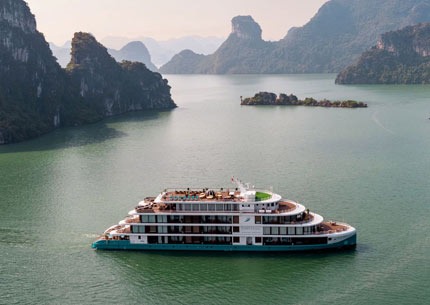
Many travelers combine Ninh Binh with Halong Bay for a comprehensive northern Vietnam experience. The two destinations offer complementary landscapes—Ninh Binh provides “Halong Bay on land” while Halong Bay offers the same stunning karst formations surrounded by emerald waters.
Ideal Combination Itinerary:
- Hanoi (2 days)
- Ninh Binh (2-3 days)
- Halong Bay or Lan Ha Bay cruise (2-3 days)
- Return to Hanoi
This route minimizes backtracking and provides a perfect balance of landscapes. After experiencing Ninh Binh’s terrestrial beauty, a luxury cruise through Halong Bay’s iconic seascape creates an unforgettable contrast.
“We visited Ninh Binh for two days before our Halong Bay cruise, and the combination was perfect. Seeing similar limestone formations in two completely different settings—one surrounded by rice fields and rivers, the other by emerald sea—gave us a deeper appreciation for northern Vietnam’s natural beauty.” – Canadian couple, TripAdvisor review, March 2024
Transportation Tips for Navigating Ninh Binh
Getting to Ninh Binh
- From Hanoi: Regular trains (2 hours, $5-10) or buses (2.5 hours, $7-12)
- From Halong Bay: Private transfer (4 hours, $80-120)
- From Hanoi Airport: Combined taxi+train or direct private car (2.5 hours, $45-60)
Getting Around Ninh Binh
- Bicycle: Best for short distances around Tam Coc (rentals $2-4/day)
- Motorbike: Ideal for independent exploration (rentals $8-12/day)
- Taxi/Grab: Available in urban areas but limited in rural zones
- Private driver: Most convenient for full-day exploration ($40-60/day)
- Guided tours: Easiest option including transportation and expert commentary ($25-50/person)
“Renting a motorbike gave us the freedom to explore at our own pace. We discovered small villages and viewpoints we would have missed otherwise. Just ensure you have proper international license and insurance.” – Adventure traveler review, Vietnam Travel Forum
Conclusion: Making the Most of Your Ninh Binh Experience
Ninh Binh rewards travelers who time their visit thoughtfully. While the region offers beauty year-round, choosing the right season dramatically enhances your experience of this northern Vietnam gem.
For most visitors, the periods of late March to early May and late September to early November offer the most balanced conditions—comfortable temperatures, minimal rainfall, stunning landscapes, and moderate tourist numbers.
Your specific interests should guide your timing choice:
- Photography enthusiasts: Target late April (green rice) or early October (golden harvest)
- Active adventurers: Choose October-November for ideal hiking conditions
- Cultural explorers: Consider festival periods like Hoa Lu Festival in April
- Budget travelers: February (post-Tet) or September (post-summer) offer better values
- Lotus lovers: Early June provides peak blooms
Whatever season you choose, Ninh Binh’s timeless landscapes and authentic cultural experiences will create lasting memories of Vietnam beyond the usual tourist trail.
After exploring Ninh Binh’s terrestrial wonders, many travelers complete their northern Vietnam experience with a luxury cruise through Halong Bay’s stunning seascape. The contrast between these complementary destinations—one featuring limestone karsts rising from rice fields, the other showcasing similar formations emerging from emerald waters—creates a comprehensive appreciation of Vietnam’s natural beauty.
- Hotline | WhatsApp: +84.978.358.422
- Phone | WhatsApp: +84.962.261.687
- Email: halongbayluxcruises@gmail.com
- vietnammarveltravel@gmail.com
Top Halong Bay Cruise Review on TripAdvisor