






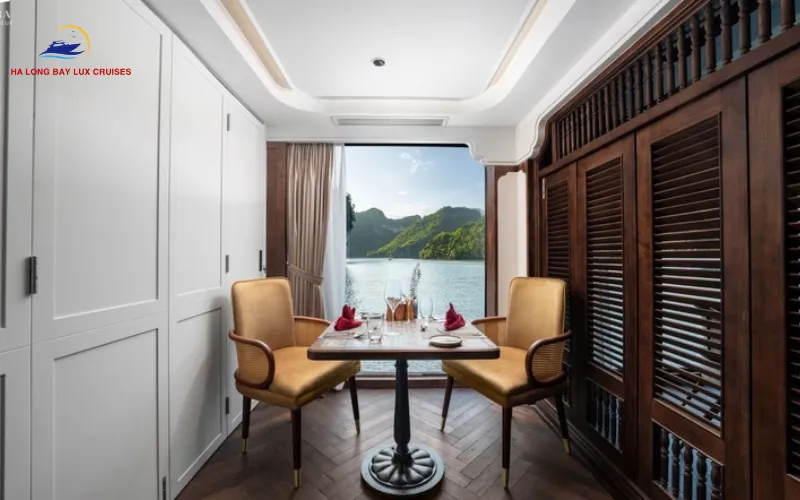
Booking a luxury overnight voyage on UNESCO-protected waters promises breath-taking limestone karsts, emerald waves, and world-class hospitality. However, for light sleepers and discerning travelers, experiencing unexpected halong bay cruise cabin noise or a persistent low-frequency hum can turn a peaceful getaway into an exhausting night. Understanding how ship design, deck placement, structural acoustics, and propulsion machinery impact rest is essential when planning a bay itinerary.
Navigating halong bay cruise cabin noise requires more than luck—it demands an insider understanding of vessel layout, engine mechanics, and technical specifications. Partnering with Ha Long Bay Luxcruises provides direct access to real deck plans, expert cabin selection advice, and modern soundproofed steel superyachts that guarantee an undisturbed night’s sleep.
1. Is Cruise Cabin Noise a Common Issue in Halong Bay?
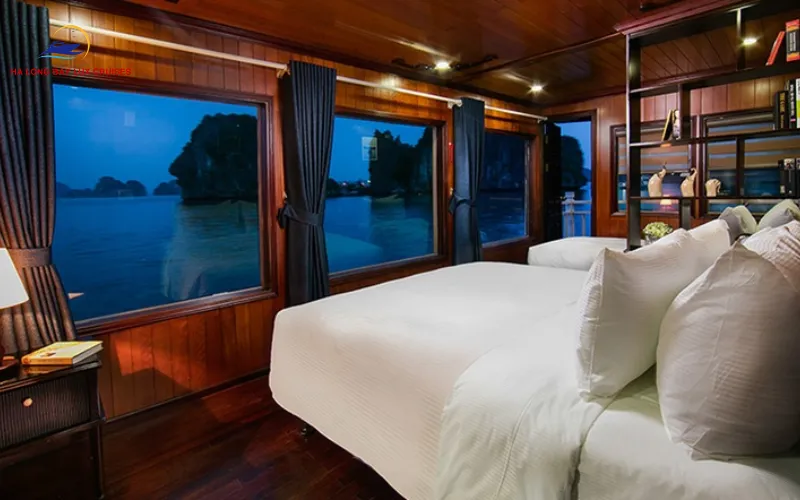
Noise and structural vibration are inherent characteristics of any sea-going vessel, making general cruise cabin noise a very real concern for overnight travelers. On a typical bay itinerary, ships operate in two distinct operational phases: active sailing during the day and stationary anchoring overnight.
While sailing, main diesel propulsion engines and rotating propeller shafts generate continuous mechanical vibrations that transfer directly through the ship’s framework. At night, main propulsion shuts down, but auxiliary systems remain active to provide electricity and climate control. Understanding the baseline levels of cruise cabin noise helps guests evaluate whether a specific vessel or room category will meet their personal sleep standards.
2. Breakdown of Primary Cruise Cabin Noise Sources
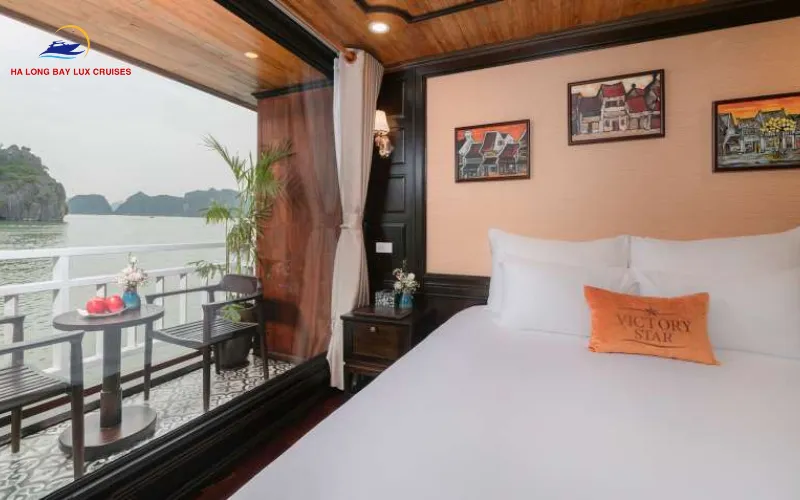
Pinpointing where sound originates helps travelers evaluate deck layouts effectively before reserving a suite.
- Engine and Propeller Shaft Vibrations: Primary diesel engines generate low-frequency hums and physical tremors that travel upward through the rear hull structure while under way.
- Onboard Generators: Auxiliary generators run continuously 24/7 to power lighting, air conditioning compressors, and refrigeration. These units represent the main source of cruise cabin noise at night while the ship lies at anchor in quiet bays.
- Anchor Chain and Mechanical Winches: Heavy motorized hydraulic winches drop and hoist massive iron anchors and mooring lines, causing loud grinding sounds and hull reverberation around 05:30 to 06:00 or during late-afternoon anchoring.
- Public Foot Traffic and Service Corridors: Overhead footsteps on sundecks, moving furniture in dining salons, galleys, laundry facilities, and crew service passages generate disruptive impact sound directly above or adjacent to passenger suites.
3. Cabin Location & Layout: Best vs. Worst Positions
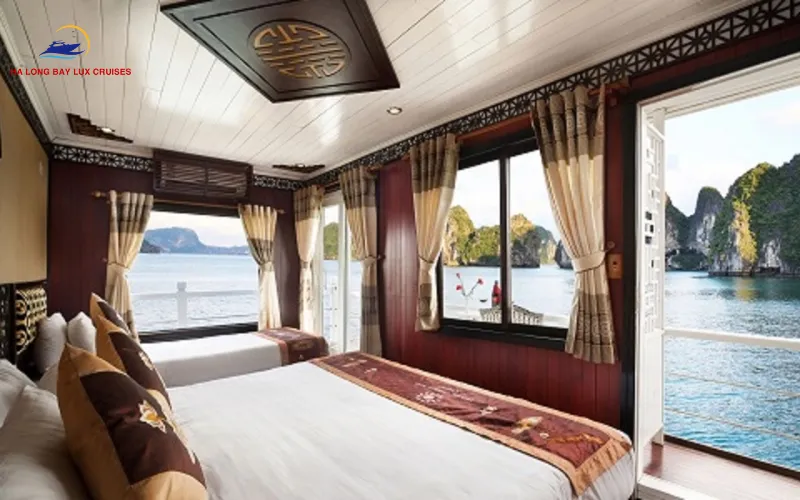
Sailing comfort varies significantly depending on where a suite sits along the ship’s length, beam, and elevation.
Why You Must Avoid Cabin Back Noise (Aft & Stern Area)
Experiencing severe cabin back noise remains one of the most frequent complaints among light sleepers. The stern (aft) section sits directly above the main propulsion engine room, gearbox, and propeller shafts. As the propeller spins, it creates cavitation—a combination of water pressure impacts and mechanical friction that sends deep, rhythmic vibrations straight through the lower rear cabins.
Furthermore, auxiliary generators and heavy exhaust stacks are frequently tucked into the aft machinery spaces. Occupying a rear stateroom on lower decks exposes guests to noticeable cabin back noise, featuring both continuous engine rumble while sailing and generator hum while anchored, making the stern the least desirable zone for sound-sensitive travelers.
Comprehensive Noise Assessment by Deck Level
Evaluating cabin placement across deck levels highlights clear distinctions in comfort, acoustic isolation, and sound exposure:
| Cabin Location / Zone | Primary Noise Exposure | Noise Level Rating | Sleep Quality / Recommendation |
| Lower Deck / Stern (Back) | Main Engine, Propeller, Generators | Very High | Avoid: High vibration & engine roar |
| Lower Deck / Bow (Front) | Anchor Chain, Wave Slapping | Moderate | Conditional: Loud during morning anchor drop |
| Middle Deck / Mid-Ship | Minor Passing Foot Traffic | Low | Good: Balanced & comfortable |
| Upper Deck / Mid-Ship | Minimal Distant Machinery | Very Low | Best Choice: Ultra-quiet & smooth |
| Under Public Areas (Sundeck/Dining) | Overhead Footsteps, Moving Furniture | Moderate-High | Caution: Avoid if directly under late-night venues |
4. Steel Hull vs. Wooden Hull: Soundproofing Performance
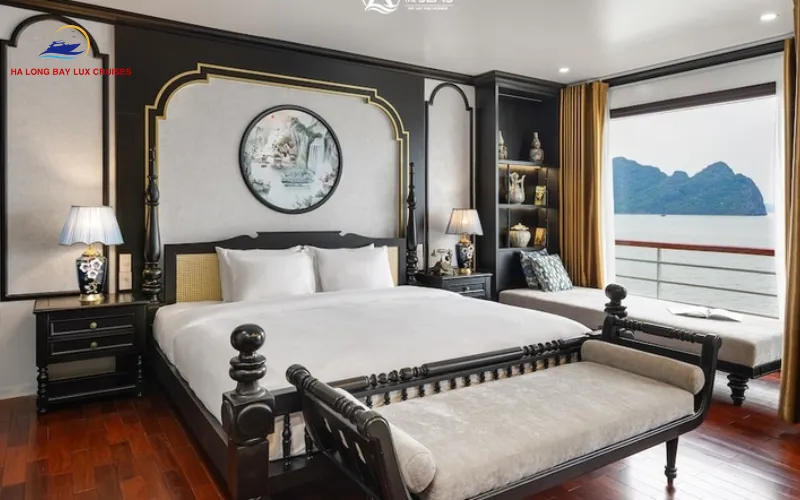
The structural framework and material composition of a vessel dictate how sound waves travel from machinery spaces to guest quarters.
- Traditional Wooden Junks: Classic wooden vessels feature thinner bulkheads and timber framing that easily transmits low-frequency vibrations throughout the entire ship. Wood acts as a natural acoustic resonator, allowing generator hums and hull resonance to reverberate into passenger quarters on lower decks.
- Modern Steel Superyachts: Contemporary steel vessels utilize multi-layered soundproof insulation, acoustic rockwool barriers, floating floor systems, and advanced engine rubber mountings. These modern engineering standards isolate engine room acoustic energy, drastically reducing halong bay cruise cabin noise across upper-deck suites.
5. How to Eliminate Cruise Cabin Noise at Night for Light Sleepers
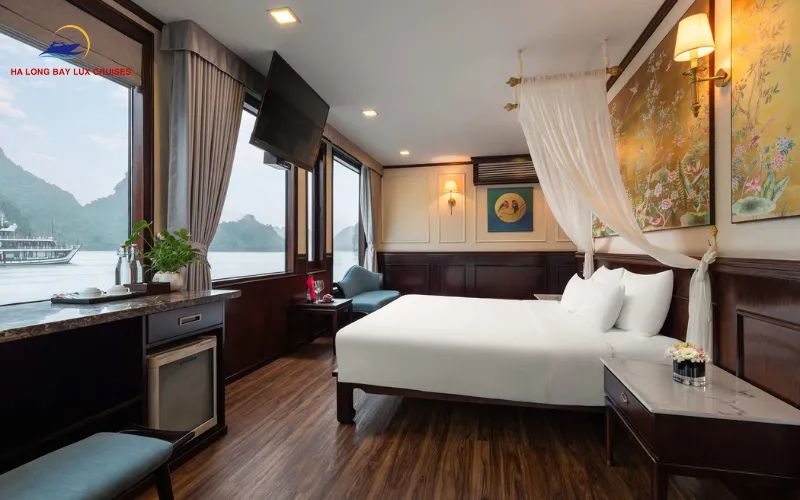
Proactive planning ensures an uninterrupted night of sleep while anchored on calm waters.
- Study Official Deck Plans: Request a detailed floor plan prior to booking. Avoid cabins sharing wall bulkheads with galleys, laundries, engine casing shafts, electrical rooms, or crew stairwells.
- Reserve Mid-Ship Suites on High Decks: The mid-ship zone on upper decks serves as the acoustic sweet spot—far enough above engine rooms, distant from bow anchor winches, and central enough to minimize pitch and roll.
- Utilize Personal Sound Masking: Travelers sensitive to ambient sounds should pack medical-grade silicone earplugs or utilize white noise applications on mobile devices to neutralize subtle background generator hums that contribute to overall cruise cabin noise at night.
6. Secure a Quiet, Soundproof Suite with Ha Long Bay Luxcruises
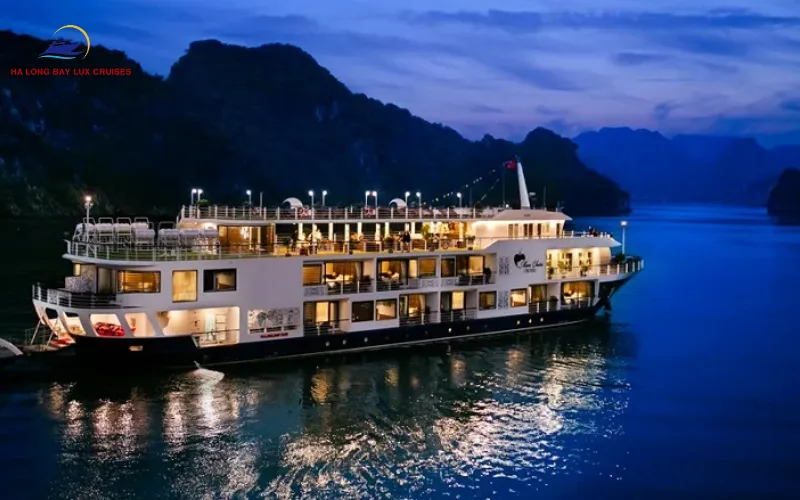
Avoid unexpected cabin placement surprises by booking directly through experienced cruise specialists. Ha Long Bay Luxcruises provides comprehensive guidance to ensure a restful journey without worrying about halong bay cruise cabin noise:
- Deck Plan Expertise: Dedicated advisors review exact cabin numbers on real floor plans, placing guests in quiet mid-ship suites far from service galleys, stairwells, or areas known for cabin back noise.
- Fleet Selection: Direct partnerships with modern 5-star steel superyachts (Catherine Cruise, Ambassador, Grand Pioneers, Elite of the Seas) guarantee access to vessels equipped with multi-layer acoustic insulation.
- Tailored Service: Personalized consultation ensures guest preferences regarding sleep sensitivity, deck height, and suite positioning are fulfilled seamlessly.
7. Recommended Products & Internal Links
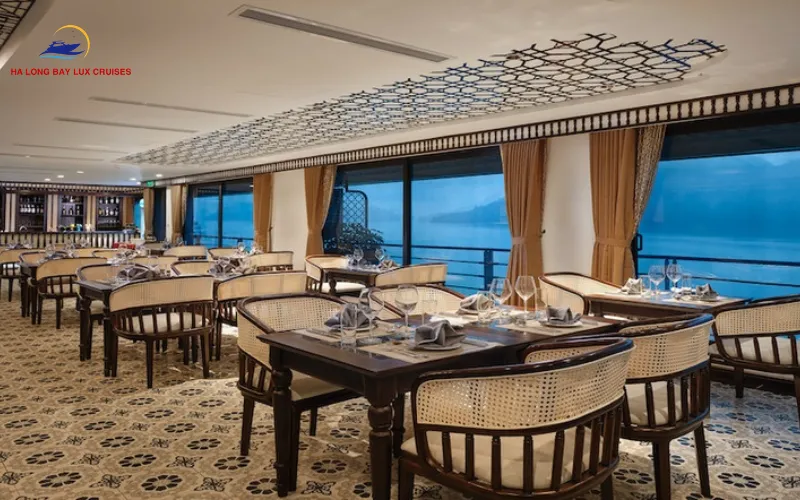
To secure a quiet stateroom on a top-rated vessel during peak or shoulder seasons, explore our recommended options:
Quiet Fleet Solutions
- 👉 Halong Bay 2 Days 1 Night Cruise – Select quiet, soundproofed overnight suites on modern steel superyachts for an optimal sleep environment.
- 👉 Halong Bay Full Charter Cruise Packages – Privatize an entire vessel to control onboard event timings and ensure complete quiet hours across all decks.
- 👉 Lan Ha Bay Luxury MICE Cruise – Experience tranquil sailing routes around Lan Ha Bay aboard steel superyachts featuring modern sound-dampening engineering.
Exclusive Booking Deals
- 👉 Halong Bay Cruises Deals Hot – Lock in prime mid-ship cabin locations early with exclusive promotional rates.
- 👉 Corporate Gala Dinner & Event Services – Professional MICE event logistics with strict volume management policies for evening celebrations.
Frequently Asked Questions (FAQs)
- What are the primary sources of cabin noise on a Ha Long Bay cruise?
The main sources include engine vibrations while navigating, the overnight generator running to power air conditioning, tender boat activity during excursions, and footsteps or conversations near high-traffic areas like corridors, dining halls, or sundecks.
- Which cabin locations are the quietest and least affected by engine noise?
Cabins located on higher decks toward the middle or forward sections of the vessel offer the quietest experience, as they are positioned furthest away from the lower-deck engine rooms and generator compartments.
- Does the generator run all night, and will it disturb my sleep?
Yes, power generators run continuously overnight to ensure air conditioning and electricity work seamlessly. However, modern 5-star luxury vessels feature advanced soundproofing and vibration dampening to maintain a peaceful environment for guests.
8. Conclusion
Understanding the mechanics behind halong bay cruise cabin noise allows travelers to make informed decisions before stepping on board. By avoiding the vibration-prone stern, staying clear of lower-deck engine spaces, and selecting mid-ship suites on modern steel superyachts, a restful night amid the karst limestone formations is guaranteed.
Managing cruise cabin noise at night requires precision and attention to detail. Contact the travel specialists at Ha Long Bay Luxcruises today to examine official deck plans, secure ideal cabin locations, and enjoy a peaceful, luxurious bay retreat.
- Address: Dang Xa, Gia Lam District, Hanoi, Vietnam
- Hotline | WhatsApp: +84.978.358.422
- Phone | WhatsApp: +84.962.261.687
- Email: halongbayluxcruises@gmail.com
- Email: vietnammarveltravel@gmail.com