










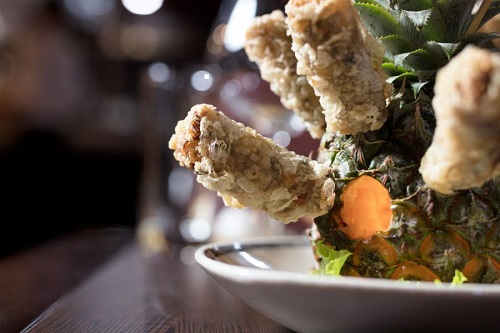
25 Delicious Foods in Ninh Binh You Must Try in 2026
Ninh Binh, often called the “Halong Bay on Land,” offers travelers not just stunning landscapes but also a culinary journey that’s as diverse as its famous karst mountains. If you’re wondering what to eat Foods in Ninh Binh during your visit, this comprehensive food guide unveils the region’s most authentic flavors, traditional cooking techniques, and the best places to sample these local delicacies.
From mountain goat specialties to unique fermented delights, Ninh Binh’s cuisine reflects its geographical diversity and cultural heritage. Let’s explore the 25 most mouthwatering dishes that will make your culinary adventure in this northern Vietnamese province truly unforgettable.
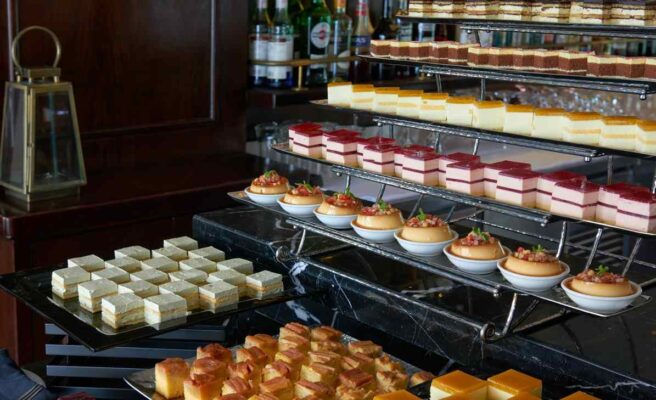
1. Cơm Cháy Ninh Bình (Ninh Binh Crispy Rice)
When asking locals about what to eat in Ninh Binh, cơm cháy invariably tops the list. This signature dish showcases the ingenious Vietnamese approach to reducing food waste by transforming leftover rice into a culinary masterpiece.
The preparation process is meticulous: rice is cooked until perfectly tender, pressed into flat cakes, and sun-dried before being deep-fried to golden perfection. The crispy rice cakes are then topped with savory options including:
- Sautéed mountain goat meat with lemongrass
- Caramelized pork floss with garlic
- Stir-fried beef with oyster sauce
The accompanying dipping sauce is a complex blend of fish sauce, lime juice, crushed garlic, bird’s eye chilies, and a touch of sugar that perfectly balances the dish’s textures and flavors.
Where to enjoy: Cơm Cháy Đại Long (431 Trần Hưng Đạo Street) serves the most authentic version, using a family recipe passed down through three generations. Their special technique of double-frying the rice creates an exceptionally light and crispy texture that locals swear by.
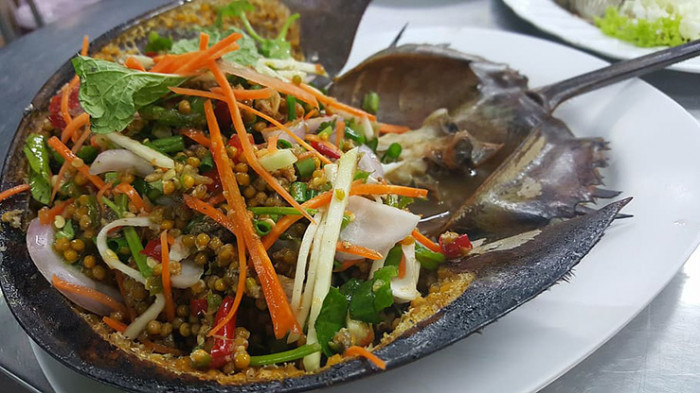
2. Dê Núi Ninh Bình (Mountain Goat Dishes)
The limestone mountains of Ninh Binh provide the perfect habitat for goats, making mountain goat cuisine the region’s crown jewel. Unlike regular goat meat, mountain goats from Ninh Binh have a distinctive flavor profile thanks to their diet of wild herbs and mountain vegetation.
Popular Mountain Goat Preparations:
- Dê tái chanh (Rare goat meat with lime): Thinly sliced goat meat briefly cooked in lime juice and served with a mixture of crushed herbs, creating a refreshing yet robust flavor.
- Dê hấp hành (Steamed goat with scallions): Tender goat meat steamed with green onions, ginger, and rice wine until perfectly succulent.
- Dê nướng ngũ vị (Five-spice grilled goat): Marinated in a blend of five spices and grilled over open flames, resulting in a smoky, aromatic delight.
- Lẩu dê (Goat hotpot): A communal dining experience featuring thinly sliced goat meat cooked tableside in a fragrant broth with local vegetables.
Health benefits: Local belief holds that mountain goat meat is particularly nutritious, high in protein yet low in cholesterol, and good for circulation.
Where to enjoy: Nhà hàng Hoàng Giang near Tràng An offers 17 different goat preparations, with meat sourced from goats raised in the Tam Điệp mountain range, known for their lean texture and clean flavor.
3. Miến Lươn (Eel Glass Noodle Soup)
This hearty dish elevates humble ingredients into a soul-warming meal. The star component is freshwater eel, which thrives in Ninh Binh’s extensive network of rice paddies and streams.
The preparation begins with eels being meticulously cleaned, deboned, and either deep-fried until crispy or stewed until tender. The glass noodles, made from mung bean starch, provide a slippery, translucent base that absorbs the rich broth flavors.
The broth itself is a carefully balanced creation, simmered for at least 4-5 hours with pork bones, dried mushrooms, and aromatic herbs. Before serving, it’s garnished with crispy fried shallots, fresh herbs, and sometimes a sprinkle of ground pepper.
Nutritional value: Eels are an excellent source of omega-3 fatty acids and vitamin A, making this not just delicious but also nutritious.
Where to try: Miến lươn bà Phấn (1 Phúc Trì Hamlet) has been serving this specialty for over 30 years. Their secret lies in the caramelization technique used on the eels before they’re added to the broth, creating a depth of flavor that’s unmatched elsewhere.
4. Nem Chua Yên Mạc (Yên Mạc Fermented Pork Roll)
This traditional fermented delicacy from Yên Mạc village represents centuries of preservation techniques. Unlike other Vietnamese fermented pork rolls, the Ninh Binh variant has several distinguishing characteristics:
- Made from hand-chopped (not ground) lean pork for a distinctive texture
- Mixed with specific proportions of garlic, chili, and locally grown spices
- Wrapped in guava or fig leaves rather than banana leaves
- Fermented naturally for 3-5 days without artificial additives
The result is a complex flavor profile that balances sourness, umami, and a subtle spiciness that lingers pleasantly on the palate.
Cultural significance: During traditional festivals and Tết (Vietnamese New Year), nem chua Yên Mạc is an essential offering and gift between families.
Where to find it: The most authentic versions are sold at local markets throughout Yên Mô district. For guaranteed quality, seek out stalls run by families from Yên Mạc village itself, particularly those displaying the traditional red packaging with gold lettering.
5. Ốc Núi (Mountain Snails)
These unique mountain snails are a seasonal delicacy that can only be harvested during Ninh Binh’s rainy season from April to August. Unlike their aquatic counterparts, mountain snails develop a distinctive herbal flavor from their diet of wild mountain plants.
The snails are meticulously collected from limestone crevices by experienced foragers who know exactly where to look in the karst landscape. Each snail is carefully cleaned through multiple water changes before cooking.
Popular Preparation Methods:
- Ốc núi hấp sả (Steamed with lemongrass): The simplest preparation that best preserves the snail’s natural flavors
- Ốc núi xào me (Stir-fried with tamarind): Creates a tangy, slightly sweet sauce that complements the snail’s earthiness
- Ốc núi nướng muối ớt (Grilled with chili salt): Offers a smoky dimension and spicy kick
Seasonal availability: The prime time to enjoy mountain snails is May to June, when they’re at their plumpest after feeding on fresh spring vegetation.
Where to enjoy: Small family-run eateries near Tam Cốc or along the road to Tràng An specialize in this delicacy. Look for places with tanks of live snails to ensure freshness.
6. Cá Rô Đồng Kho Khế (Field Fish Braised with Starfruit)
This rustic dish epitomizes Ninh Binh’s countryside cooking, combining freshwater fish with the tart flavor of starfruit (khế). Cá rô (anabas or climbing perch) are small but flavorful fish caught in the rice fields and ponds throughout the province.
The preparation is deceptively simple but requires precise timing:
- The fish is cleaned but kept whole (with head and tail intact)
- Caramelized sugar creates the foundation of the sauce
- Fish is braised slowly with starfruit, ginger, chili, and fish sauce
- The cooking process continues until the sauce reduces to a glossy, dark caramel
The result is tender fish infused with a perfect balance of sweet, sour, and savory flavors. The slightly bitter notes from the caramelization create depth and complexity.
Cultural context: This dish represents the resourcefulness of rural Vietnamese cooking, using readily available ingredients to create maximum flavor.
Where to try: Small family restaurants in the countryside around Hoa Lư district serve the most authentic versions. Quán cơm Bà Hương near Bái Đính Temple is particularly renowned for their perfectly balanced sauce.
7. Canh Chua Cá (Sour Fish Soup)
While sour fish soup appears throughout Vietnam, Ninh Binh’s version stands out for its use of locally sourced river fish and seasonal vegetables. This refreshing soup balances four essential flavor elements: sour, sweet, spicy, and umami.
The key components include:
- Fresh river fish: Usually cá trê (catfish) or cá quả (snakehead), caught daily from local waterways
- Souring agent: A combination of tamarind and tomatoes provides multilayered acidity
- Aromatics: Thinly sliced pineapple, elephant ear stem, and okra add texture and sweetness
- Herbs: Rice paddy herb (ngò om) and Vietnamese coriander (rau răm) provide distinctive fragrance
The soup is traditionally served family-style in a large communal bowl alongside steamed rice, allowing the broth to be spooned over the rice or enjoyed separately.
Seasonal variations: During spring, wild vegetables like bông so đũa (sesbania flowers) are added, while autumn versions might include local mushrooms.
Where to try: Countryside eateries around Kim Sơn district serve authentic versions. Quán Bình at 76 Lê Hồng Phong Street in Ninh Binh City offers a refined version with exceptionally clear broth.
8. Bún Mọc (Pork Ball Noodle Soup)
Though originally from northern Vietnam, Ninh Binh has adapted bún mọc with local ingredients and techniques that make it distinctly regional. This comforting noodle soup features tender pork meatballs (mọc) as its centerpiece.
The Ninh Binh version distinguishes itself through:
- Handmade meatballs: A mixture of lean pork, pork skin, wood ear mushrooms, and shallots, hand-pounded to create a springy texture
- Clear broth: Simmered from pork bones for at least 6 hours, with rock sugar and dried shrimp for depth
- Local rice noodles: Slightly thinner than standard bún, allowing better broth absorption
- Garnishes: Fried shallots, Vietnamese coriander, lime wedges, and chili
Best time to enjoy: Traditionally eaten for breakfast between 6-9 AM when the broth is freshest, though now available throughout the day.
Where to try: Street food vendors across Ninh Binh City serve excellent versions. The stall at the intersection of Trần Hưng Đạo and Lê Hồng Phong streets has been operating for three generations and still uses stone pestles to pound the meatballs by hand.
9. Cá Nướng (Grilled Fish)
Surrounded by rivers, streams, and lakes, Ninh Binh’s abundance of freshwater fish has made grilled fish a cornerstone of local cuisine. The preparation emphasizes simplicity to highlight the fish’s natural flavor.
Signature Elements:
- Fresh local fish: Usually cá rô phi (tilapia), cá chép (carp), or cá lóc (snakehead)
- Aromatic marinade: Turmeric, galangal, lemongrass, and fish sauce
- Grilling method: Traditional charcoal grills using lychee or longan wood for aromatic smoke
- Wrapping style: The fish is sometimes grilled inside banana leaves to lock in moisture
The complete experience involves wrapping pieces of the grilled fish with fresh herbs, rice vermicelli, and vegetables in rice paper, then dipping in a fermented fish sauce (mắm nêm) or fish sauce with lime and chili.
Interactive dining: Many restaurants set up charcoal grills at your table, allowing you to control the cooking process yourself.
Where to try: Riverside restaurants in Gia Viễn district offer the freshest options. Cá Nướng Trường Giang along the Hoàng Long River serves fish caught the same morning, with stunning views of limestone karsts as you dine.
If you’re traveling from Halong Bay to Ninh Binh, make sure to compare the distinctive seafood preparations between these two regions – each has their own unique approach to aquatic cuisine.
10. Bánh Đa Cá Rô (Crispy Rice Paper with Perch)
This rustic noodle dish represents the ingenious combination of locally abundant ingredients. The star components are bánh đa (crispy rice paper sheets) and cá rô (climbing perch fish), both staples in rural Ninh Binh households.
The preparation involves several key steps:
- The fish is carefully deboned, marinated with turmeric and garlic, then either fried until crispy or simmered until tender
- Rice paper sheets are briefly toasted over an open flame until they puff slightly
- A rich broth is prepared from fish bones and heads, seasoned with tomatoes and fresh dill
- Just before serving, the crispy rice paper is broken into large pieces and added to the broth
The contrasting textures—crispy rice paper softening in the savory broth, tender fish, and fresh herbs—create a multidimensional eating experience.
Cultural significance: Traditionally a meal prepared by farmers after the rice harvest, using simple ingredients available in every rural household.
Where to try: Small local eateries near the morning market in Ninh Binh City serve authentic versions. Quán Cô Liên on Trường Han Street is particularly noted for their clear, flavorful broth.
11. Rượu Cần (Fermented Rice Wine)
This traditional alcoholic beverage has deep cultural significance in Ninh Binh’s ethnic minority communities. More than just a drink, rượu cần represents hospitality, celebration, and community bonding.
The Distinctive Elements:
- Production method: Glutinous rice is fermented with forest herbs and tree bark in sealed clay pots for 30-60 days
- Serving style: Consumed through long bamboo straws from a communal jar, often during ceremonies or celebrations
- Alcohol content: Generally ranges from 15-25%, depending on fermentation time
- Flavor profile: Sweet initial taste with a complex herbal finish
The drinking ritual involves adding water to the fermentation vessel as the wine is consumed, allowing for a gradual dilution of the alcohol while maintaining the flavor profile.
Cultural experience: When offered rượu cần, it’s considered respectful to take at least three sips through the communal straw before passing it to the next person.
Where to experience: Traditional villages in Nho Quan district or during local festivals. Some homestays in the area also offer cultural demonstrations of the rượu cần drinking ceremony for visitors.
12. Xôi Trứng Kiến (Sticky Rice with Ant Eggs)
One of Ninh Binh’s most unique culinary offerings, this dish features glutinous rice topped with sautéed ant eggs—a seasonal delicacy harvested from nests in the forests surrounding the limestone mountains.
The ant eggs (from weaver ants called kiến vàng) are collected by experienced foragers who know exactly when and where to find the nests. These eggs are prized for their:
- Nutritional value: High in protein and certain minerals
- Delicate flavor: Often described as similar to soft cheese with nutty undertones
- Creamy texture: They pop gently in the mouth, releasing their flavor
The preparation is relatively simple: the glutinous rice is steamed until perfectly chewy, then the ant eggs are briefly sautéed with scallions, garlic, and sometimes minced pork. The mixture is served over the sticky rice with fried shallots as garnish.
Seasonal availability: Primarily available from March to May, making it a special spring delicacy.
Where to try: This dish is rarely found in regular restaurants but can be requested at homestays in ethnic minority villages, particularly in the mountainous areas of Cúc Phương National Park.
13. Cháo Ếch Đồng (Frog Rice Porridge)
This warming porridge showcases the agricultural bounty of Ninh Binh’s rice fields, where frogs are naturally abundant. Far from being a novelty dish, cháo ếch is a beloved comfort food with medicinal properties according to traditional Vietnamese medicine.
The key to an excellent frog porridge lies in:
- Rice selection: A specific ratio of regular and glutinous rice creates the ideal consistency
- Frog preparation: Field frogs are carefully cleaned, with only the meaty legs and back used
- Aromatics: Fresh ginger, Vietnamese coriander, and scallions balance the earthy flavors
- Slow cooking: The porridge must simmer for at least 90 minutes to develop proper texture and flavor integration
The resulting dish is silky, comforting, and surprisingly delicate in flavor. The frog meat becomes tender and absorbs the aromatic seasonings while contributing its own subtle sweetness to the porridge.
Health associations: Traditionally believed to strengthen the immune system and particularly beneficial during cool, rainy weather.
Where to try: Small specialized eateries along Đinh Tiên Hoàng Street serve authentic versions. Most open only in the evening from 5 PM onwards.
14. Bánh Cuốn Nóng Kim Sơn (Kim Son Hot Rice Rolls)
The Kim Sơn district of Ninh Binh is famous throughout Vietnam for its distinctive take on bánh cuốn—steamed rice rolls that are significantly thinner and more delicate than versions found elsewhere.
What makes Kim Sơn bánh cuốn special:
- Rice batter: Made from a specific variety of rice grown in Kim Sơn, soaked for exactly 8 hours
- Steaming technique: Uses specialized flat steamers and requires precise timing (about 15 seconds per sheet)
- Filling: Traditional mixture of minced pork, wood ear mushrooms, and shallots, seasoned with fish sauce and black pepper
- Immediate serving: Always made to order and served piping hot (hence “nóng” in the name)
The delicate rice sheets are so thin they’re nearly transparent, with a silky texture that practically melts in your mouth. They’re served with a side of Vietnamese chả lụa (pork sausage) and a dipping sauce brightened with lime juice and pickled garlic.
Artisanal process: Watch the skillful cooks pour the batter onto the steamer, cover it briefly, and then use a bamboo stick to lift the delicate sheet—a process that takes years to master.
Where to try: Morning markets in Kim Sơn district offer the most authentic experience. For visitors staying in Ninh Binh city, Bánh Cuốn Bà Hoành on Trần Hưng Đạo Street serves excellent versions from 6 AM until they sell out (usually by 10 AM).
15. Gà Đồi Nướng (Grilled Hill Chicken)
The free-range chickens raised on Ninh Binh’s hillsides are prized for their firm texture and rich flavor. Unlike commercially raised poultry, these “hill chickens” (gà đồi) roam freely, foraging for insects, seeds, and wild herbs.
The preparation highlights the natural quality of the meat:
- Marinade: Typically minimalist, using only salt, crushed lemongrass, and occasionally a touch of honey
- Grilling method: Slow-cooked over longan wood charcoal to impart a subtle smokiness
- Serving style: Always accompanied by fresh lime leaves, salt mixed with Ninh Binh’s special pepper, and sometimes pickled vegetables
The result is chicken with a distinctive yellow skin (from the natural diet), firm but tender meat, and a clean, intense flavor that commercial chickens simply can’t match.
Cultural context: Gà đồi is often featured in important family celebrations and as an offering during ancestor worship ceremonies.
Where to try: Mountain village restaurants near Tam Điệp or rural food spots in Hoa Lư district. Nhà hàng Gà Đồi Tam Điệp, located at the foot of the mountains, raises their own chickens and prepares them to order.
16. Mắm Tôm Chua (Fermented Shrimp Paste)
This intensely flavored condiment represents the fermentation expertise that’s central to Vietnamese cuisine. Unique to the coastal regions near Ninh Binh, mắm tôm chua is made from tiny freshwater shrimp fermented with galangal, chili, and rice powder.
The production process involves:
- Harvesting small shrimp from rice field waterways
- Mixing with roasted rice powder and spices
- Fermenting in sealed clay pots for 15-30 days
- Regular checking to ensure proper fermentation
The resulting paste has a complex umami flavor with bright acidic notes that enhances grilled meats and fresh vegetables. While the aroma is undeniably pungent, the taste is surprisingly balanced and addictive once you acquire a liking for it.
Culinary uses: Most commonly served as a dipping sauce for boiled pork, fresh vegetables, or grilled fish. Some local dishes incorporate it directly into the cooking process for depth of flavor.
Where to find: Specialty condiment stores in local markets. The best versions come from small-batch producers in Kim Sơn district, where families have been making it for generations using closely guarded recipes.
17. Bún Chả Cá (Fish Cake Noodle Soup)
This noodle dish showcases Ninh Binh’s abundant freshwater fish in a completely different preparation from grilled or braised versions. The star component is chả cá—handmade fish cakes with a distinctive bouncy texture.
Key Components Foods in Ninh Binh
- Fish selection: Typically snakehead fish (cá lóc) or catfish (cá trê), thoroughly deboned
- Fish cake preparation: The fish is pounded with spices until it develops a sticky consistency, then shaped by hand
- Broth base: Light but flavorful, made with fish bones, pineapple, and tomato
- Noodles: Rice vermicelli (bún) served either in the broth or alongside for dipping
- Garnishes: Fresh dill, green onions, and chili are essential flavor components
What distinguishes Ninh Binh’s version is the addition of local herbs and the slightly sour note in the broth from fermented bamboo shoots or pineapple.
Nutritional benefit: A lighter alternative to meat-based noodle soups, high in protein and low in fat.
Where to try: Small specialty shops around Ninh Binh City, particularly near the central market. Bún Chả Cá Bà Loan near the Ninh Binh train station has been serving their family recipe for over 40 years.
18. Chè Sen Long Nhãn (Lotus Seed and Longan Sweet Soup)
Ninh Binh’s abundance of lotus ponds and longan orchards makes this refreshing dessert a local specialty. This sweet soup (chè) balances the earthy flavor of lotus seeds with the floral sweetness of longan fruit.
The preparation requires attention to detail:
- Lotus seeds: Carefully harvested from lotus pods grown in the province’s many ponds
- Longan: Locally grown and either used fresh (in season) or dried for year-round availability
- Rock sugar: Used rather than regular sugar for a cleaner sweetness
- Optional additions: Sometimes enhanced with seaweed, mung beans, or taro
The dessert can be served hot in cooler months or cold with ice during summer, making it a versatile treat year-round.
Cultural significance: Lotus is symbolic of purity in Vietnamese culture, making this dessert not just delicious but also meaningful, especially when served during special occasions.
Where to try: Traditional sweet soup shops in Ninh Binh City, particularly along Lê Đại Hành Street. For an exceptional version with hand-peeled lotus seeds, visit Chè Ngọc Lâm near the city center.
19. Cá Kho Làng Vân (Vân Village Braised Fish)
This caramelized fish dish originates from Vân village in Ninh Binh province, where a special technique of slow-braising in clay pots has been perfected over generations.
The distinguishing features include:
- Fish selection: Traditionally made with cá trắm (grass carp) or cá chép (common carp) weighing at least 1.5 kg
- Caramelization: Sugar is carefully heated until amber-colored, creating the foundation of the sauce
- Clay pot cooking: The traditional pottery from Ninh Binh imparts a distinctive earthiness
- Braising time: At least 2 hours on very low heat, allowing the fish to absorb the complex flavors
- Key seasonings: Fish sauce, shallots, garlic, black pepper, and chili
The result is tender fish coated in a glossy, deeply flavored sauce that perfectly balances sweet, savory, and spicy notes. The dish is traditionally eaten with steamed rice and boiled vegetables.
Cultural technique: The dish must be cooked in a clay pot that has been properly seasoned through previous use—new pots are considered unsuitable for achieving the correct flavor.
Where to try: Family restaurants in Hoa Lư district serve the most authentic versions. Quán Làng Vân, run by descendants of the original village, maintains strict adherence to traditional methods.
20. Bánh Gai Ninh Bình (Ninh Binh Thorn Leaf Cake)
This distinctive black glutinous rice cake is one of Ninh Binh’s most famous culinary exports. The cake derives its unique color and subtle flavor from ramie leaves (lá gai), which grow abundantly in the province.
The production process is labor-intensive:
Ramie leaves are harvested, washed, boiled, and ground into a fine paste
This paste is mixed with glutinous rice flour to create a dark green dough
The filling—typically mung bean paste sweetened with sugar and infused with pandan—is prepared separately
The dough is wrapped around the filling and formed into a pyramid shape
The cakes are steamed for approximately 30 minutes
The result is a slightly chewy exterior with a sweet, aromatic filling. The distinctive herbal notes of the ramie leaves create a complexity that sets it apart from other Vietnamese cakes.
Cultural significance: Traditionally prepared for Tết (Lunar New Year) and important family celebrations. Now produced year-round due to popularity.
Where to buy: Specialty shops throughout Ninh Binh City sell these cakes, but the most authentic versions come from Bạch Công village in Hoa Lư district, where families have been making them for over 400 years.
21. Lẩu Cua Đồng (Rice Field Crab Hotpot)
This communal hotpot celebrates the humble rice field crab, transforming these small crustaceans into a rich, flavorful soup base that’s perfect for gathering around with family and friends.
What makes this hotpot special:
- Crab preparation: Dozens of small field crabs are crushed and simmered to extract maximum flavor
- Broth complexity: The crab base is enhanced with fermented bamboo shoots (măng chua), tamarind, and tomatoes
- Protein additions: Often includes freshwater fish, shrimp, and sometimes pork or beef
- Vegetable components: Water spinach, banana blossoms, and various herbs create textural contrast
- Dipping sauce: A special blend of fish sauce, lime juice, and bird’s eye chilies accompanies the meal
The hotpot is served with rice vermicelli or fresh rice noodles and is cooked at the table, allowing diners to control the cooking process and enjoy ingredients at their peak.
Seasonal peak: Most delicious in fall when rice field crabs are at their fattest after feeding all summer.
Where to enjoy: Hotpot specialists in Ninh Binh City or countryside restaurants in Gia Viễn district. Lẩu Cua Đồng Gia Viễn on the outskirts of the city sources crabs daily from local rice farmers.
For travelers who have experienced the seafood delights of Halong Bay’s 5-star cruises, this rustic crab hotpot offers an interesting contrast in how coastal and inland regions prepare crustaceans differently.
22. Tép Rang (Crispy Fried Tiny Shrimp)
This addictive snack or side dish showcases the abundance of tiny freshwater shrimp found in Ninh Binh’s rice fields and streams. These minuscule crustaceans (about the size of your pinky fingernail) are transformed through a special frying technique.
The preparation process involves:
Shrimp selection: Only the smallest, freshest field shrimp are used
Preliminary drying: The shrimp are sun-dried partially to concentrate flavor
Seasonings: Typically lemongrass, chili, garlic, and sometimes a touch of sugar
Frying technique: Quick-fried in very hot oil until crispy but not burnt
The result is intensely flavored, crunchy little morsels that can be eaten whole—shell, head and all—providing a powerful umami punch. They’re typically served with cold beer or rice wine and are perfect for sharing.
Culinary versatility: While primarily enjoyed as a snack, tép rang also appears as a topping for rice or noodle dishes, adding crunch and concentrated flavor.
Where to find: Local markets sell pre-packed versions, but for the freshest experience, visit small countryside eateries in Kim Sơn or Yên Khánh districts where they’re prepared to order.
23. Cơm Lam (Bamboo-Cooked Rice)
This traditional method of cooking rice inside bamboo tubes originates from Vietnam’s mountainous regions but has become a specialty in Ninh Binh’s upland areas near Cúc Phương National Park.
The distinctive preparation creates rice unlike any other:
Rice selection: Glutinous rice is soaked for several hours with special herbs.
Bamboo preparation: Young bamboo tubes are lined with banana leaves.
Cooking method: The sealed bamboo is roasted directly over open flames.
Serving style: The bamboo is split open, revealing perfectly cooked, aromatic rice.
The bamboo imparts a subtle, woody fragrance to the rice, while the direct heat creates slightly crispy edges and a smoky dimension. It’s typically served with grilled meats or fish and a spicy dipping sauce.
Connection to nature: This cooking method reflects the indigenous relationship with the forest, using natural materials as both cooking vessel and flavor enhancer.
Where to experience: Mountainous areas near Cúc Phương National Park or ethnic minority villages in Nho Quan district. Some eco-resorts in the area offer cơm lam as part of cultural dining experiences.
24. Chả Ốc (Snail Sausage)
This unique preparation transforms river snails into a savory, steamed sausage that highlights Ninh Binh’s innovative approach to local ingredients. While less known to international visitors, chả ốc is highly prized among Vietnamese food enthusiasts.
The elaborate preparation process includes:
- River snails are meticulously cleaned and extracted from their shells
- The snail meat is pounded with spices until it achieves a paste-like consistency
- Pork fat, mushrooms, and herbs are added for texture and flavor
- The mixture is wrapped in banana leaves and steamed until firm
- Finally, it’s sliced and typically served at room temperature
The resulting sausage has a distinctive springy texture with a complex flavor profile that balances the earthiness of snails with aromatic herbs and spices.
Textural appeal: The contrast between the chewy snail meat and the small pieces of pork fat creates a satisfying mouthfeel.
Where to try: Specialty food shops in Ninh Binh City or local markets. For the highest quality version, visit Chợ Bưởi market in the morning when fresh batches are delivered.
25. Cháo Lươn (Eel Porridge)
While miến lươn features eel with glass noodles, cháo lươn showcases this nutritious protein in a completely different preparation—a silky rice porridge that’s perfect for breakfast or a light meal.
What distinguishes great cháo lươn:
- Rice preparation: The rice grains are broken before cooking to create a smoother texture
- Eel processing: The eels are carefully filleted, with bones removed but skin retained for texture
- Aromatics: Ginger, scallions, and Vietnamese coriander are essential flavor components
- Garnishes: Crispy fried shallots, fresh herbs, ground pepper, and sometimes a dash of lime
The porridge achieves a silky consistency through constant stirring during the cooking process, while the eel provides rich flavor and nutritional benefits.
Health perspectives: Traditionally believed to be strengthening during recovery from illness and particularly beneficial during cooler months.
Where to try: Morning food markets throughout Ninh Binh province. For a truly local experience, visit the street vendors near Phát Diệm Cathedral who set up from 6-9 AM daily.
Tips for Explorers Foods in Ninh Binh (2026)
To make the most of your culinary adventure in Ninh Binh, keep these insider tips in mind:
- Best food seasons: May to June (for mountain snails and ant eggs) and September to November (for freshwater fish and crab) offer the most diverse seasonal specialties
- Market visits: Ninh Binh City’s central market is most lively between 6-8 AM, when locals shop for the freshest ingredients
- Rural food experiences: Consider joining a cooking class in a local home to learn authentic techniques firsthand
- Food photography: Morning light at outdoor markets provides the best natural lighting for food photography
- Dietary considerations: Most restaurants can accommodate preferences if communicated clearly, though advance notice is helpful for strict dietary requirements
Many travelers combine their culinary exploration of Ninh Binh with a luxurious 2-day cruise experience in Halong Bay, creating the perfect balance between mountain and sea flavors during their Northern Vietnam journey.
Conclusion: A Feast for All Senses Foods in Ninh Binh
Foods in Ninh Binh tells the story of its landscape—from limestone mountains to lush rice fields, from flowing rivers to ancient forests. Each dish carries centuries of culinary wisdom, celebrating the region’s natural bounty through techniques perfected over generations.
When planning what to eat in Ninh Binh during your 2026 visit, remember that food here is more than sustenance—it’s a gateway to understanding the culture, history, and daily life of this extraordinary province. Beyond the famous landscapes that draw visitors from around the world lies a culinary tradition just as worthy of exploration.
Whether you’re savoring crispy cơm cháy, enjoying the complex flavors of mountain goat specialties, or discovering the unique taste of ant egg sticky rice, Ninh Binh promises unforgettable dining experiences that will linger in your memory long after your journey ends.
Hotline | WhatsApp: +84.978.358.422
Phone | WhatsApp: +84.962.261.687
Email: halongbayluxcruises@gmail.com
vietnammarveltravel@gmail.com
Top Halong Bay Review on the TripAdvisor