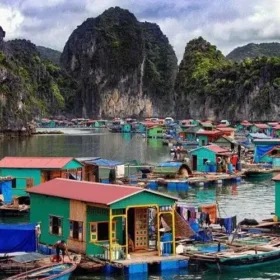
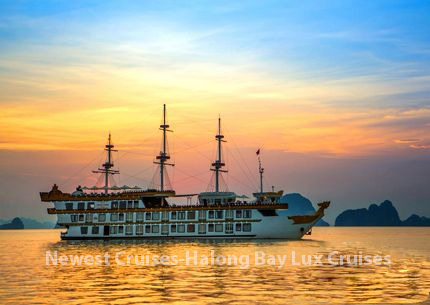
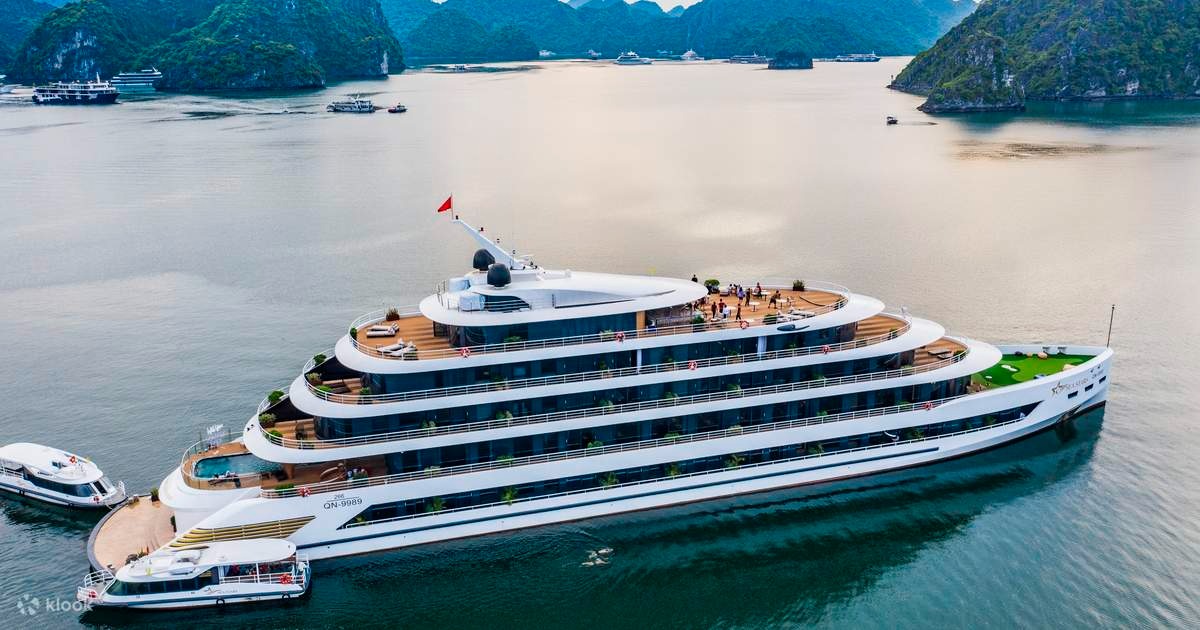
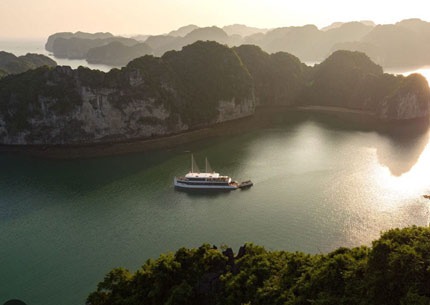
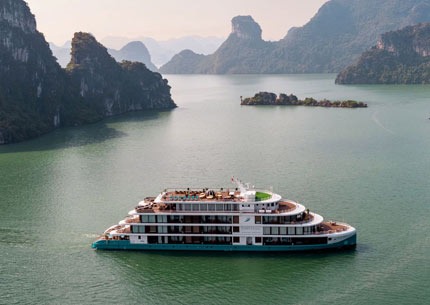


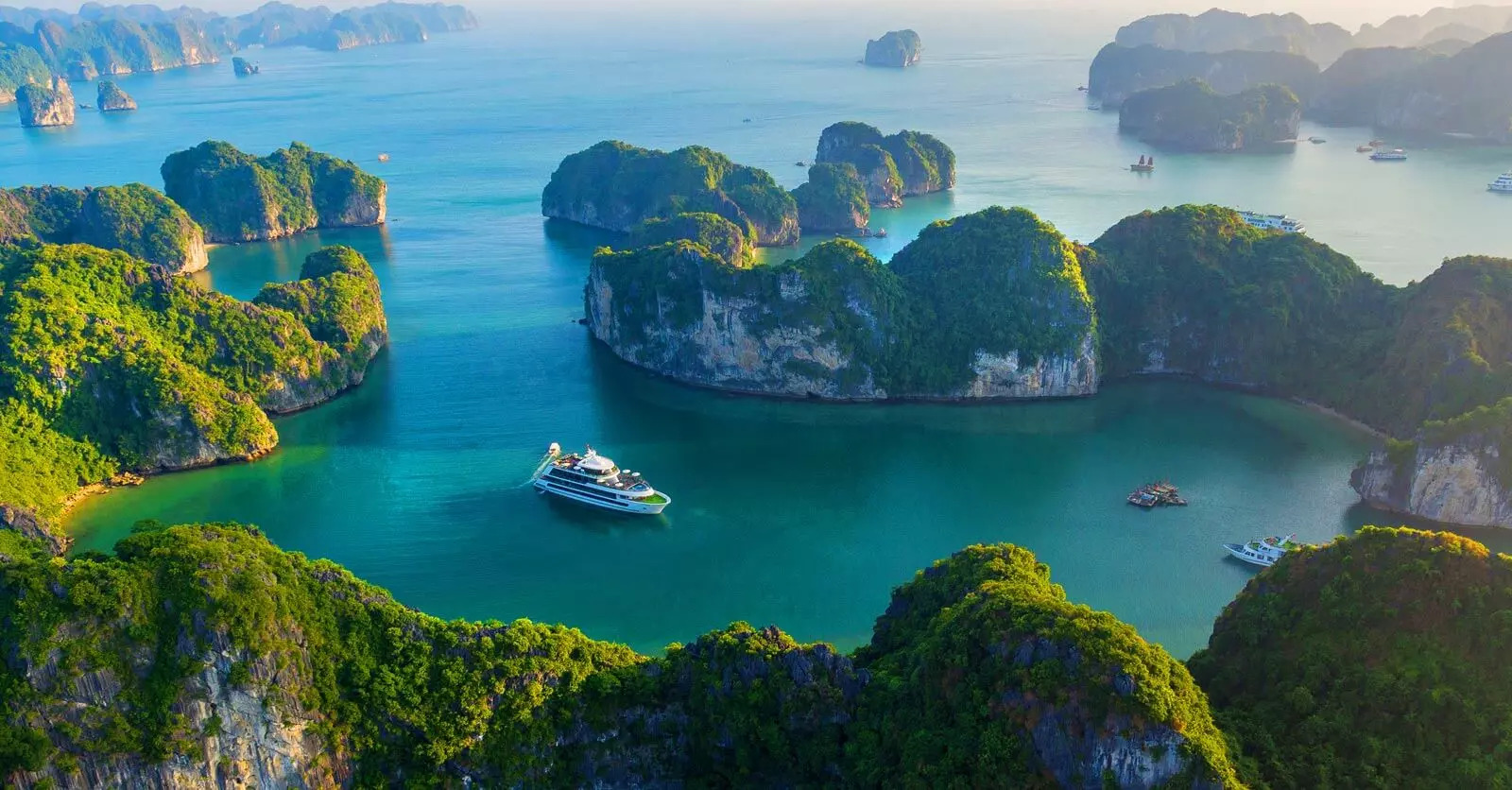


Hidden among the majestic limestone mountains of Ha Long Bay, Cua Van Fishing Village is regarded as one of the most beautiful floating villages in the world. Far from the hustle and bustle, this place holds a pristine, rustic, and poetic beauty, offering a unique charm amidst the World Natural Heritage site.
Cua Van is a traditional floating village where colorful floating houses rest peacefully on calm waters. Under the morning sun or at sunset, each roof and small wooden boat blends harmoniously with nature, painting a remarkably tranquil picture. Beyond its scenic beauty, Cua Van preserves valuable maritime cultural traditions from fishing methods and folk singing to the harmonious coexistence between people and nature.
Exploring Cua Van Fishing Village is not just a sightseeing trip but an opportunity for visitors to immerse themselves in the daily life of fishermen, discover the richness of maritime culture, and feel a sense of peace rarely found in bustling cities.
Cua Van Fishing Village: 25 Authentic Experiences in Halong Bay’s Floating Paradise (2025-2026)
Discover why Cua Van has been named among the world’s 15 most beautiful floating villages and how to experience this cultural gem in Halong Bay during 2025-2026. From traditional fishing demonstrations to hidden lagoon explorations, this comprehensive guide reveals everything you need to plan your visit.
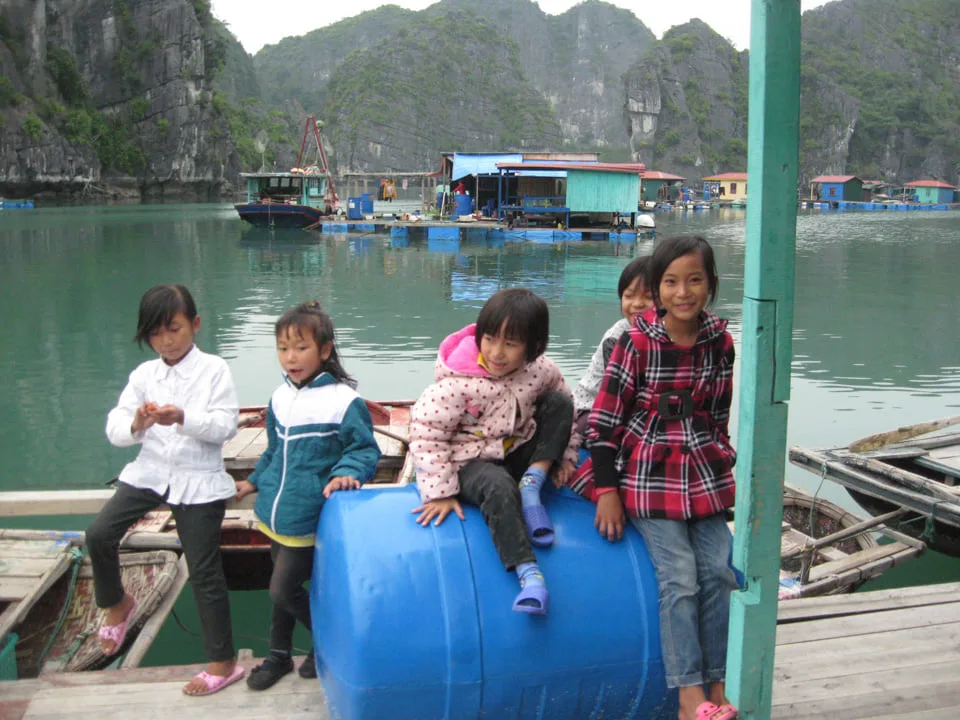
Why Cua Van Fishing Village Deserves Your Attention in 2025-2026
Nestled amid the emerald waters and towering limestone karsts of Halong Bay, Cua Van Fishing Village stands as a living testament to Vietnam’s rich maritime heritage. As one of the oldest and most captivating floating communities in Asia, this 400-year-old settlement has earned international recognition, including being named among the “15 Most Beautiful Villages Worldwide” by Travel + Leisure magazine and featured in National Geographic’s cultural preservation spotlight.
Unlike the overcrowded tourist hotspots, Cua Van offers something increasingly rare in our digitally saturated world – an authentic glimpse into a traditional way of life that has remained largely unchanged for centuries. With new government conservation initiatives implemented for 2025-2026, the village now balances cultural preservation with responsible tourism, making it the perfect time to experience this floating wonder.
Visiting Cua Van isn’t just another checkbox on your travel itinerary – it’s an immersion into a water-based lifestyle that less than 300 residents (approximately 100 households) still maintain today. As sustainable and experiential travel trends dominate 2025-2026 vacation planning, Cua Van emerges as the quintessential destination for travelers seeking meaningful cultural connections in Vietnam’s most iconic seascape.
Ready to discover Vietnam’s most enchanting floating village? Let’s dive into everything you need to know about visiting Cua Van in 2025-2026.

Historical Evolution of Cua Van Fishing Village Through Centuries
Ancient Origins and Settlement Patterns
The fascinating story of Cua Van begins in the early 16th century when fishing families first established permanent floating homes in this sheltered area of Halong Bay. Archaeological evidence uncovered at the Cua Van Cultural Center reveals that the earliest settlers were likely from the Red River Delta region, migrating seasonally before establishing permanent floating residences.
What makes Cua Van particularly unique is its strategic position at the “gateway” (the literal translation of “Cua Van”) between the open sea and the protected inner bay. This location, surrounded by a natural fortress of 1,969 limestone islands and islets, provided both abundant fishing opportunities and protection from violent storms. Historical records indicate that by the 18th century, Cua Van had developed into a thriving maritime community of over 800 residents.
Cultural Heritage Preservation Efforts
In 1994, Halong Bay received UNESCO World Heritage status, bringing international attention to Cua Van and other floating villages in the region. However, this recognition came with both opportunities and challenges. The Vietnamese government implemented several conservation programs between 2000-2020, culminating in the comprehensive Halong Bay Cultural Heritage Preservation Plan (2025-2035) launched in January 2025.
This new initiative allocates 7.3 million USD specifically for preserving Cua Van’s tangible and intangible cultural heritage, including:
- Restoration of 35 traditional wooden houseboats
- Documentation of over 130 traditional fishing techniques
- Preservation of the village’s unique dialect and oral traditions
- Establishment of the expanded Cua Van Living Museum (opened March 2025)
A visit to Cua Van today offers the rare opportunity to witness a community actively engaged in cultural preservation while adapting to environmental changes and modern influences.

Complete Guide to Experiencing Cua Van Fishing Village in 2025-2026
Getting to Cua Van: Transportation Options
Reaching this floating marvel requires some planning, as independent visits are restricted to protect both the fragile ecosystem and the privacy of residents. The most common and recommended approach is booking a Halong Bay cruise that includes Cua Van in its itinerary.
For the most authentic experience, consider these transportation options:
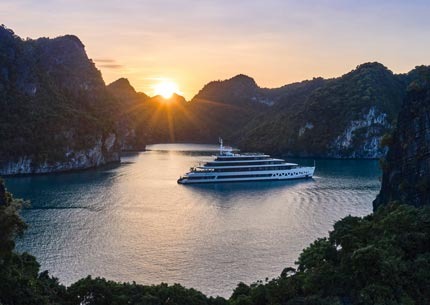
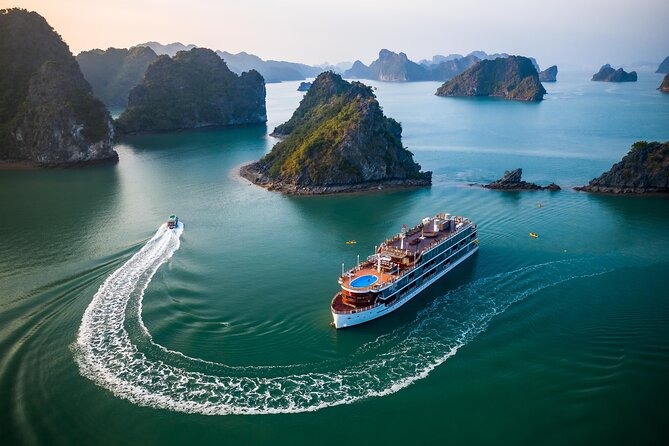
- Traditional Junk Boat Cruises: Several operators offer overnight cruises that dock near Cua Van, allowing for morning or afternoon explorations. The Athena Premium Cruise offers a specially designed “Cultural Immersion Package” that includes extended time in Cua Van with local guide services.
- Luxury Cruises with Private Access: For those seeking exclusivity, the award-winning Ha Long Bay 6-Star Cruise provides off-hours access to Cua Van (6:30 AM visits) when most other tourists are still having breakfast, allowing for a more intimate experience and better photography opportunities.
- Combination Day Tours: For travelers based in Halong City, several agencies offer day trips that combine Cua Van with other attractions. However, these typically provide only 1-2 hours in the village.
The cruising distance from Tuan Chau Harbor to Cua Van is approximately 25 kilometers (15.5 miles), taking around 2-3 hours depending on sea conditions and vessel speed.
10 Unmissable Experiences in Cua Van Fishing Village
1. Explore the Expanded Cua Van Cultural Center
The heart of cultural preservation efforts is the recently expanded Cua Van Cultural Center, housed in a striking floating structure covering 450 square meters. Reopened in March 2025 after extensive renovations, this living museum now features:
- A collection of over 850 artifacts (up from 700 previously)
- Interactive exhibits demonstrating traditional net-making techniques
- A digital archive of oral histories from village elders
- A 180-degree panoramic theater showing “A Day in Cua Van” documentary
The center is staffed by local residents who can provide firsthand insights into village life. Admission is included with most cruise packages, or costs 150,000 VND (approximately $6 USD) for independent visitors.
2. Participate in Traditional Fishing Demonstrations
For a truly hands-on experience, join the village’s master fishermen for a practical demonstration of techniques passed down through generations. These 90-minute sessions offer:
- Instruction in casting the traditional circular nets (vó)
- Lessons on setting basket traps for crustaceans
- Participation in squid fishing using handmade lures and lights
The highlight is attempting to catch fish using the distinctive hand-operated bamboo basket called đăng cá, a technique unique to Halong Bay’s floating villages and registered as national intangible cultural heritage in 2023.
These demonstrations typically occur between 7:00-9:00 AM and 3:00-5:00 PM, with participation limited to groups of 8-10 people to ensure quality instruction and minimal disruption to actual fishing activities.
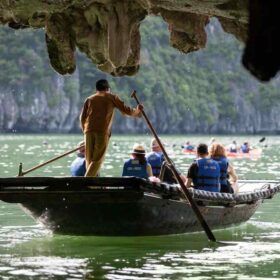
3. Navigate Through Hidden Lagoons by Kayak or Bamboo Boat
The waterways surrounding Cua Van lead to some of Halong Bay’s most pristine hidden lagoons. In 2025-2026, newly mapped kayaking routes allow visitors to explore three distinct ecosystems:
- The Mangrove Route: A 3.2-kilometer paddle through dense mangrove forests housing over 45 bird species
- The Limestone Cave Route: A 2.5-kilometer journey passing through three small sea caves, including the luminous Hang Luồn
- The Village Perimeter Route: A leisurely 1.8-kilometer circuit around the village offering close-up views of daily life
Bamboo boat rides, paddled by local women in traditional conical hats, provide a more relaxed alternative for those who prefer to sit back and enjoy the scenery. Each boat accommodates 2-4 passengers and tours last approximately 45 minutes.
4. Visit the Floating Pearl Farm
Established in 2010 and expanded in 2024, the Cua Van Pearl Farm offers a fascinating glimpse into the cultivation of some of Vietnam’s finest pearls. The 45-minute tour includes:
- Demonstrations of oyster seeding techniques
- Explanation of the 3-5 year cultivation process
- Opportunity to open an oyster and potentially find a pearl
- Display of finished jewelry crafted by local artisans
The farm’s viewing platforms extend 15 meters below the surface via transparent viewing tubes, allowing visitors to observe the underwater pearl cultivation system without disturbing the delicate ecosystem.
5. Witness Daily Life on the Floating School
One of the most heartwarming experiences in Cua Van is visiting the colorful floating school where approximately 25 children from the village receive their primary education. The school, rebuilt in 2023 with sustainable materials, features:
- Solar-powered classrooms equipped with internet access
- A floating playground with equipment made from recycled materials
- A small library with books in Vietnamese and English
Visitors can observe classes (from respectful distances) and participate in the “Book for Boat” program by donating children’s books or educational materials. The school welcomes visitors on weekdays between 10:00-11:00 AM, except during examination periods.
6. Attend Cultural Performances on Water
In response to growing interest in authentic cultural experiences, the village launched the “Voices of Halong” performance series in 2024. Held on a specially constructed floating platform, these 40-minute shows feature:
- Traditional Vietnamese water puppetry adapted to tell Cua Van legends
- Folk songs performed by village elders, including the haunting “Hò Khoan” fishing songs
- Demonstrations of traditional instruments like the đàn bầu (monochord)
During peak season (October-April), performances are scheduled three times weekly (Monday, Wednesday, and Saturday) at 7:30 PM. Advance booking is essential as each show is limited to 60 attendees to maintain an intimate atmosphere.
7. Photograph the Village at Sunrise or Sunset
For photography enthusiasts, Cua Van offers extraordinary light conditions, especially during the golden hours. The 2025 “Photographers’ Access Program” provides special early morning and evening sessions when:
- The rising sun creates a mystical fog over the limestone karsts (best between 5:30-6:30 AM)
- The warm evening light bathes the colorful floating homes in golden hues (optimal from 5:00-6:00 PM)
- Fishing lamps create dancing reflections on the calm waters (after 7:00 PM)
Professional photography guides can be arranged through premium cruise providers for approximately $75 USD per 2-hour session, including transportation to the best vantage points and insights on capturing the unique light and lifestyle of Cua Van.
8. Sample Authentic Floating Village Cuisine
Cua Van’s culinary traditions reflect its deep connection to the sea and limited access to land-based ingredients. The village’s three floating restaurants offer truly distinctive dining experiences featuring:
- Cá Lăng Hấp Sả: Hemibagrus catfish steamed with lemongrass and wild herbs collected from nearby islands
- Hàu Nướng Mỡ Hành: Locally farmed oysters grilled with green onion oil
- Cháo Hải Sản Cua Vân: The village’s signature seafood porridge with seven types of fresh shellfish
For the most authentic experience, book the “Chef’s Table on Water” at Ngon Restaurant, where you’ll join the chef on an early morning market boat to select ingredients before participating in a cooking demonstration on their open-air floating kitchen.
9. Participate in Conservation Activities
As part of Halong Bay’s broader sustainability initiatives, Cua Van has established several conservation programs that welcome visitor participation. The “Guardians of the Bay” program allows travelers to:
- Join coral regeneration efforts by helping place artificial reef structures
- Participate in monthly bay clean-up operations (held on the 15th of each month)
- Assist in water quality monitoring alongside environmental scientists
Participants receive a certificate acknowledging their contribution and lifetime updates on conservation progress. Programs typically require 3-4 hours of participation and can be arranged through most premium cruise operators or directly through the Cua Van Cultural Center.
10. Shop for Authentic Artisanal Crafts
Unlike the mass-produced souvenirs found in tourist markets, Cua Van offers genuinely unique handicrafts created by village artisans. The Floating Craft Market, established in 2024, features:
- Intricate miniature floating houses carved from driftwood
- Handwoven fishing baskets repurposed as decorative items
- Jewelry incorporating cultured pearls and recycled fishing net materials
- Traditional painted gourds used as water containers by generations of fishermen
Each item comes with a QR code linking to a video of the artisan creating the piece, providing both authentication and a deeper connection to its origin.
Seasonal Variations: When to Visit Cua Van Fishing Village
Peak Season (October to April)
The most popular period for visiting Cua Van coincides with Halong Bay’s dry season, characterized by:
- October-November: Pleasant temperatures (22-28°C/72-82°F) with clear skies and moderate humidity levels around 70%
- December-February: Cooler temperatures (15-20°C/59-68°F) with occasional mist creating mystical photo opportunities
- March-April: Warming temperatures (20-25°C/68-77°F) with exceptionally clear waters offering visibility up to 8 meters
During this peak period, the village hosts special cultural events including:
- Lunar New Year (Tết) celebrations (January/February, dates vary) featuring unique floating parades
- The Cua Van Fishing Festival (March 15-17) showcasing traditional fishing competitions
- Ancestral Worship Ceremonies (April 10) when colorful offerings float across the bay
For 2025-2026, visitor numbers are capped at 300 daily during peak season, so booking well in advance is essential.
Off-Peak Season (May to September)
The summer months bring distinct characteristics to Cua Van:
- May-June: Increasing rainfall (average 12 days per month) with temperatures rising to 30-32°C/86-90°F
- July-August: Heaviest rainfall (15-18 days per month) with potential tropical storms
- September: Transitional month with decreasing rainfall and temperatures around 28-30°C/82-86°F
While weather conditions are less predictable, off-peak season offers advantages including:
- Up to 40% lower cruise prices
- Reduced visitor numbers (typically 50-100 daily)
- Vibrant greenery on surrounding islands
- Special access to the village’s Summer Harvest Festival (July 20-22)
For photographers seeking dramatic skyscapes, the summer storms create spectacular cloud formations and lightning over the karst landscape, particularly from elevated vantage points.
Accommodation Options Near Cua Van Fishing Village
While staying directly in Cua Van is not possible (as it’s a working village without tourist accommodations), several excellent options exist for experiencing this unique destination:
Overnight Cruises with Cua Van Access
The most immersive way to experience the village is aboard a cruise that allows early morning or evening visits when day-trippers are absent. Top recommendations include:
- Athena Premium Cruise – This elegant 5-star vessel features 21 luxurious cabins (25-40m²) with private balconies and offers exclusive early morning access to Cua Van before other cruise ships arrive. Their 3-day/2-night “Cultural Immersion” package includes a special dinner featuring Cua Van recipes prepared by an onboard chef from the village.
- Ha Long Bay 6-Star Cruise – The ultimate luxury experience with just 8 suite cabins (45-60m²), each with panoramic windows and private butler service. Their “Heritage Explorer” package includes private kayaking to Cua Van through secret passages only accessible to smaller vessels, plus an exclusive evening visit when the fishing lamps create a magical atmosphere.
- Emperor Cruise – This boutique cruise ship with 8 themed cabins inspired by Vietnamese emperors offers a “Fishing Village Overnight Experience” where guests can observe the evening fishing activities from comfortable viewing platforms before sunrise visits to the village.
These premium cruises range from $280-550 USD per person per night, including all meals, guided excursions, and transfers from Hanoi.
Mainland Hotels with Cua Van Day Trips
For travelers preferring a land-based hotel with day excursions to Cua Van:
- Vinpearl Resort & Spa Ha Long – Located on Reu Island with stunning bay views, this 5-star resort arranges private speedboat transfers to Cua Van (35 minutes) with flexible departure times. Rooms from $180 USD per night.
- FLC Halong Bay Golf Club & Luxury Resort – Situated on a hillside with panoramic views, this property offers helicopter tours of Halong Bay including Cua Van (15-minute flyover) or traditional boat excursions. Rooms from $150 USD per night.
- Halong Plaza Hotel – A centrally located 4-star option with daily small-group tours to Cua Van on traditional wooden boats. Rooms from $85 USD per night.
For the most comprehensive experience, Halong Bay Lux Cruises offers customized packages combining 1-2 nights on a premium cruise with hotel stays, ensuring maximum flexibility for exploring Cua Van and surrounding attractions.
Cultural Etiquette and Responsible Tourism in Cua Van
Respectful Visitor Behaviors
As Cua Van works to preserve its traditional way of life while accommodating tourism, observing proper etiquette is essential:
- Photography Considerations: Always ask permission before photographing residents, especially children. Some elderly villagers have religious beliefs about photography capturing their spirit.
- Dress Appropriately: Despite the floating setting, Cua Van is a conservative community. Modest clothing (shoulders and knees covered) is appreciated, particularly when visiting cultural sites.
- Noise Levels: Keep voices moderate, especially during early morning or evening visits when residents are fishing or resting.
- Shopping Ethics: Bargaining is expected but should remain respectful. Prices for handcrafts support families directly; aggressive bargaining for minor discounts is discouraged.
- Interaction Guidelines: Learn a few basic Vietnamese phrases like “Xin chào” (hello) and “Cảm ơn” (thank you). Simple efforts at communication are deeply appreciated.
Environmental Protection Measures
The 2025-2026 Halong Bay Environmental Protection Initiative has introduced several new guidelines for visitors to Cua Van:
- Zero Plastic Policy: All visitors must bring reusable water bottles. Filtered water stations are available at the Cultural Center.
- Reef-Safe Sunscreen Only: Traditional sunscreens damage the coral ecosystem. Only zinc oxide or titanium dioxide-based sunscreens are permitted.
- Touch Nothing Underwater: While kayaking or swimming, avoid touching marine life or collecting shells, which serve as microhabitats.
- Support Conservation: A voluntary 50,000 VND ($2 USD) conservation fee funds local environmental education and coral regeneration projects.
By following these guidelines, visitors contribute to ensuring Cua Van remains pristine for future generations while supporting the community’s sustainability efforts.
Nearby Attractions to Combine with Your Cua Van Visit
A comprehensive Halong Bay experience should include these complementary destinations within a 10-kilometer radius of Cua Van:
Tien Ong Cave Archaeological Site
Just 2.8 kilometers northeast of Cua Van, this remarkable cave system contains evidence of human habitation dating back 10,000-18,000 years. Recent excavations have uncovered:
- Stone tools from the Hoabinhian period
- Ancient pottery fragments with distinctive patterns
- Shell middens providing insights into prehistoric diets
- Early human remains (displayed respectfully in protected cases)
The cave’s main chamber spans an impressive 1,000 square meters with stunning stalactite formations. Archaeological guides are available for 45-minute tours explaining the significance of this site in understanding early human adaptation to coastal environments.
Cong Do Island Biosphere Reserve
Designated in 2022 as a protected marine sanctuary, Cong Do Island (4.5 kilometers south of Cua Van) features:
- One of Vietnam’s most diverse coral reef ecosystems with 234 documented species
- A 300-hectare primary forest with rare flora including the endangered Halong cycad
- Research stations where visitors can learn about conservation efforts
- Limited-access snorkeling zones revealing vibrant underwater landscapes
The visitor center offers interactive exhibits explaining the interconnected marine and forest ecosystems. The “Junior Marine Biologist” program is particularly popular with families, allowing children to participate in simple research activities.
Me Cung Cave and Lake Complex
Often overlooked in favor of more famous caves, the Me Cung (“Bewitching Grotto”) complex 7 kilometers west of Cua Van offers:
- A challenging but rewarding 342-step climb to the cave entrance
- A labyrinthine interior chamber with spectacular stalactite formations
- Emergence onto a natural observation platform 100 meters above sea level
- Views of the hidden Me Cung Lake, a perfectly enclosed saltwater lake surrounded by limestone cliffs
The site is significantly less crowded than Sung Sot or Thien Cung caves, allowing for a more contemplative exploration. The recently installed lighting system highlights geological features while preserving the cave’s natural atmosphere.
Vung Vieng Floating Village
For comparative cultural insights, visit Vung Vieng floating village (8.5 kilometers northeast), which offers a different perspective on floating life in Halong Bay:
- A larger community (approximately 150 households) with more permanent structures
- A pearl cultivation industry dating back to the 1990s
- A floating school serving children from multiple villages
- A distinctive architectural style utilizing curved wooden beams
Visiting both Cua Van and Vung Vieng provides fascinating insights into how two traditional communities have adapted differently to similar environments and tourism pressures.
Practical Information for Visiting Cua Van in 2025-2026
Updated Visitor Regulations
Following the 2025 Halong Bay Management Review, new regulations for visiting Cua Van include:
- Registration Requirement: All visitors must register through authorized tour operators or cruise companies at least 24 hours in advance.
- Visitor Caps: Daily visitor numbers are limited to 300 during peak season and 200 during off-peak months.
- Time Restrictions: General visits are permitted between 8:00 AM-5:00 PM, with extended hours (7:00 AM-7:00 PM) for guests staying on overnight cruises.
- Guide Requirement: All visitors must be accompanied by certified guides who have completed the Halong Bay Cultural Heritage training program.
- Environmental Deposit: A refundable 200,000 VND ($8 USD) environmental deposit is collected and returned after confirming compliance with zero-waste policies.
Essential Items to Pack
For an optimal Cua Van experience, pack these specialized items:
- Water-resistant bag for cameras and electronics
- Polarizing filter for cameras to reduce water glare
- Reef-safe sunscreen (mandatory)
- Non-slip water shoes for kayaking and village walkways
- Light, quick-dry clothing with UPF sun protection
- Insect repellent (particularly important during dawn/dusk visits)
- Small denominations of Vietnamese dong for craft purchases
- Reusable water bottle (required under new regulations)
Accessibility Information
Cua Van has made significant accessibility improvements for 2025-2026:
- Floating Accessibility Platforms: New stable platforms with gentle ramps accommodate wheelchair users at the Cultural Center and main village areas.
- Adaptive Kayaking Options: Tandem kayaks with adaptive seating are available for visitors with mobility limitations.
- Sign Language Guides: Pre-arranged sign language interpretation (Vietnamese, American, and British sign languages) is available with 7-day advance notice.
- Sensory Consideration Tours: Special tours for visitors with sensory sensitivities feature reduced group sizes and quieter visiting periods.
While not all areas of the village are fully accessible due to the inherent challenges of a floating environment, these improvements make core experiences available to a much wider range of visitors.
Expert Tips for an Unforgettable Cua Van Experience
Photography Opportunities
Award-winning travel photographer Nguyen Minh Tan offers these insider tips for capturing Cua Van’s essence:
- Golden Triangle Technique: Position yourself at the intersection of floating homes, limestone karsts, and reflective water for the most compelling compositions.
- Best Light Hours: The most magical light occurs between 6:00-7:30 AM when morning mist creates layered depth, and 5:00-6:30 PM when golden hour illuminates the village against darkening karsts.
- Human Element: Include villagers going about daily activities (with permission) to provide scale and cultural context to landscape shots.
- Reflection Shots: During calm mornings, perfect mirror reflections can be captured from the eastern side of the village looking westward.
- Recommended Equipment: A weather-sealed camera with 24-70mm zoom lens provides versatility, while a polarizing filter helps manage reflections.
Cultural Immersion Strategies
Dr. Pham Thu Thuy, cultural anthropologist specializing in floating communities, suggests:
- Learn Key Phrases: Beyond basic greetings, learning phrases like “Làm thế nào để bạn làm?” (“How do you make this?”) encourages meaningful exchanges.
- Participate Don’t Just Observe: When offered opportunities to try activities like net weaving or basket fishing, active participation creates memorable connections.
- Seek Elders’ Stories: Village elders are often eager to share stories if approached respectfully. Ask your guide to facilitate these precious interactions.
- Notice Details: Pay attention to house decorations, shrine arrangements, and food preparation methods that reveal cultural values and beliefs.
- Express Genuine Curiosity: Questions about family traditions, seasonal changes, and community celebrations demonstrate respect for the village’s living culture.
Culinary Experiences
Chef Hoang Van Tuan, specialist in traditional Halong Bay cuisine, recommends:
- Try the Morning “Floating Market”: Between 6:30-7:30 AM, small boats sell the night’s fresh catch. Purchasing is welcome, and many cruise chefs will prepare your selections.
- Sample Signature Dish: Don’t miss cá lăng um măng chua (catfish with pickled bamboo shoots), a dish unique to Halong’s floating villages.
- Tea Appreciation: Accept offers of green tea, traditionally served to visitors. The local variety has a distinctive mineral note from the karst-filtered water.
- Seasonal Specialties: Ask about seasonal dishes like sá sùng (peanut worms) available December-February, considered a rare delicacy and natural aphrodisiac.
- Cooking Souvenirs: The Cultural Center sells authenticated recipe cards and spice mixes for recreating village specialties at home.
FAQs About Visiting Cua Van Fishing Village
Can I stay overnight in Cua Van Fishing Village?
No, overnight stays within Cua Van are not permitted as it’s a working village without tourist accommodations. For the most immersive experience, book an overnight cruise that anchors near the village, allowing early morning and evening visits when most day tourists are absent. The Ha Long Bay 6-Star Cruise offers exclusive evening viewing decks positioned for optimal village observation.
Is Cua Van suitable for families with young children?
Yes, Cua Van welcomes families and offers several child-friendly experiences. The floating school visit, bamboo boat rides, and interactive fishing demonstrations are particularly engaging for children ages 5 and up. Safety equipment (life jackets) is provided in all sizes, including for infants and toddlers. The Cultural Center offers a “Young Explorer” program with age-appropriate activities teaching about marine life and floating village culture.
How much time should I allocate for visiting Cua Van?
For a meaningful experience, plan to spend at least 2-3 hours in Cua Van. This allows time for visiting the Cultural Center (45 minutes), participating in a cultural activity like fishing demonstrations (60 minutes), and exploring by kayak or bamboo boat (45-60 minutes). Overnight cruise packages typically allocate 3-4 hours spread across multiple visits, providing a more comprehensive experience.
What is the difference between Cua Van and other floating villages in Halong Bay?
Cua Van distinguishes itself through several unique characteristics:
- It’s the oldest and best-preserved floating village in Halong Bay (dating back approximately 400 years)
- It maintains the highest percentage of traditional wooden architecture (over 70% of structures)
- It’s the only village with a dedicated Cultural Center and conservation program
- It features the most extensive floating walkway system, making exploration easier
- It’s located in the most scenic section of the bay, surrounded by particularly dramatic karst formations
While Vung Vieng is larger and more commercially developed, and Cong Dam offers insights into modern floating aquaculture, Cua Van provides the most authentic glimpse into traditional fishing village life.
Is there internet/Wi-Fi access in Cua Van?
Limited Wi-Fi is available at the Cultural Center and three designated “digital zones” throughout the village, providing basic connectivity for messaging and social media. However, signal strength varies, and high-bandwidth activities like video streaming are not reliable. Most visitors appreciate the opportunity to disconnect briefly and fully immerse in the experience. For those requiring consistent connectivity, several cruise operators including Athena Premium Cruise offer satellite Wi-Fi throughout their journeys.
What conservation efforts are protecting Cua Van for future generations?
Cua Van benefits from multi-layered protection initiatives:
- The 2025 Halong Bay Heritage Preservation Fund allocates specific resources to maintaining traditional architecture and boat-building practices
- Monthly water quality monitoring ensures pollution levels remain well below international standards
- The Floating Garden Initiative teaches sustainable aquaculture practices to reduce fishing pressure
- Strict visitor quotas prevent overcrowding and cultural disruption
- Educational programs for village children encourage pride in cultural heritage while providing skills for sustainable tourism management
Visitors can contribute to these efforts through voluntary conservation fees and participation in citizen science projects during their visit.
Conclusion: The Timeless Allure of Cua Van Fishing Village
As we navigate an increasingly homogenized world, places like Cua Van Fishing Village become ever more precious – living museums where cultural heritage thrives not behind glass cases but in the daily rhythms of a community that has maintained its essence across centuries.
A visit to Cua Van in 2025-2026 offers more than picturesque photo opportunities; it provides a window into Vietnam’s maritime soul and a chance to witness a remarkable balance between tradition and adaptation. Here, in the embrace of towering karsts and emerald waters, generations of fishing families have created a floating world that defies conventional notions of permanence while embodying profound cultural continuity.
Whether you’re kayaking through hidden lagoons at dawn, learning ancient fishing techniques from village masters, or simply observing the gentle pace of floating village life, Cua Van rewards the mindful traveler with experiences that resonate long after the journey ends.
As you plan your Halong Bay adventure, consider making Cua Van not just a stop on your itinerary but a centerpiece of your exploration – a place to linger, learn, and connect with one of Vietnam’s most remarkable living traditions.
To book your Cua Van experience as part of a comprehensive Halong Bay journey, visit Halong Bay Lux Cruises for customized itineraries that prioritize authentic cultural connections alongside luxurious comfort.
Book Your Luxury Cruise Now
Be among the first to experience the revolution in Ha Long Bay cruising. Early reservations receive exclusive benefits including cabin upgrades, complimentary spa treatments, and private dining experiences.
Contact our concierge team today to secure your preferred dates for this extraordinary maritime journey.
- Hotline | WhatsApp: +84.978.358.422
- Phone | WhatsApp: +84.962.261.687
- Email: halongbayluxcruises@gmail.com
- vietnammarveltravel@gmail.com
- website:halongbayluxcruises.com
Top Halong Bay Cruise Review on TripAdvisor