






12 Best Times to Visit Bai Dinh Pagoda: Ultimate Seasonal Guide
Located in the scenic Ninh Binh province, Bai Dinh Pagoda stands as Vietnam’s largest Buddhist complex—a magnificent spiritual and cultural landmark that draws thousands of visitors each year. This comprehensive guide reveals the perfect timing for your visit, helping you navigate seasonal variations, local festivals, and special events to create an unforgettable experience at this sacred destination.
The Spiritual Significance of Bai Dinh Pagoda
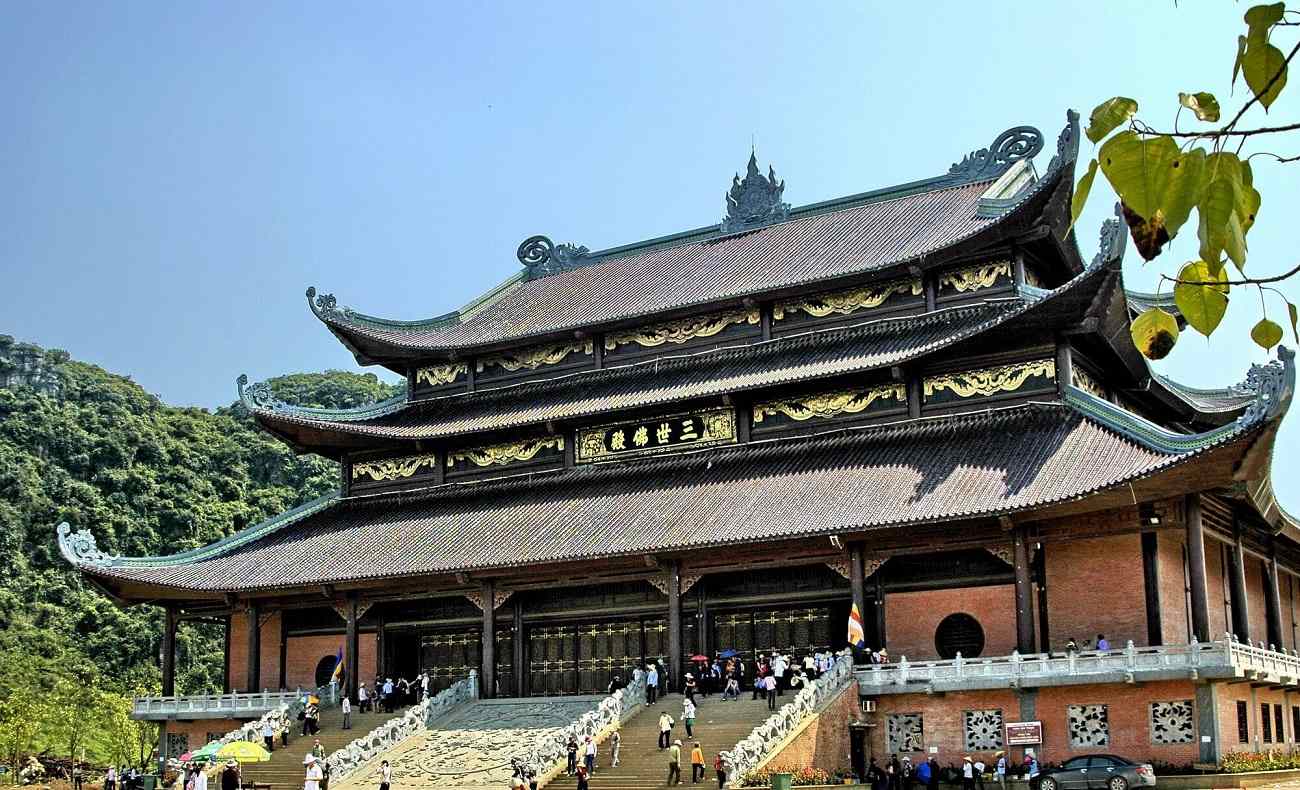
Bai Dinh Pagoda isn’t just another temple—it’s a monumental spiritual complex that showcases the deep Buddhist traditions of Vietnam. Spanning over 700 hectares, this enormous complex consists of both ancient and new sections, creating a harmonious blend of historical reverence and modern architectural grandeur.
The pagoda complex features 5,000 Buddha statues of various sizes, including the impressive 10-meter-tall Buddha statue weighing 100 tons. The stunning 13-story bell tower offers panoramic views of the surrounding limestone karst landscape, while the Arhat corridor with its 500 meticulously carved stone statues demonstrates the exceptional craftsmanship of Vietnamese artisans.
When planning your trip to Vietnam, understanding the best time to visit Bai Dinh Pagoda can significantly enhance your spiritual journey and overall experience of this UNESCO-associated site.
Why Timing Matters for Your Bai Dinh Pagoda Visit
Timing your visit to Bai Dinh Pagoda requires careful consideration for several important reasons:
Weather Variations Throughout the Year
Northern Vietnam experiences four distinct seasons, each creating a different atmosphere at the pagoda:
- Spring: Mild temperatures between 18-24°C (64-75°F) with occasional light rain
- Summer: Hot and humid conditions with temperatures reaching 35°C (95°F) and frequent downpours
- Autumn: Pleasant weather with temperatures of 22-28°C (72-82°F) and clearer skies
- Winter: Cooler temperatures ranging from 16-22°C (60-71°F) with occasional misty mornings
Festival Schedules and Religious Events
Bai Dinh Pagoda hosts significant ceremonies throughout the year, with the most important being the Bai Dinh Festival in early spring. In 2025, this festival will begin on February 8th (the 10th day of the first lunar month) and continue until late March, featuring elaborate Buddhist rituals, folk performances, and traditional games.
Crowd Levels and Tourism Patterns
Visitor numbers fluctuate dramatically throughout the year:
- Peak season: February-March (during and after Tet holiday)
- Moderate crowds: April-May and September-November
- Low season: June-August (due to heat) and December-January (excluding Tet)
Understanding these patterns helps you decide whether you prefer the vibrant energy of festival crowds or the tranquil atmosphere of off-peak periods.
12 Best Times to Visit Bai Dinh Pagoda
1. Early February: Immersive Lunar New Year Experience
Why visit: The Lunar New Year (Tet) in 2025 falls on January 29th, making early February an exceptional time to experience authentic Vietnamese cultural and religious practices.
During this period, Bai Dinh Pagoda transforms into a hub of spiritual activity with:
- Vibrant decorations featuring traditional red and gold colors
- Special prayer ceremonies conducted by Buddhist monks
- Local pilgrims performing rituals for prosperity in the new year
- The beginning of the Bai Dinh Festival preparations
Weather conditions: Expect temperatures around 16-20°C (61-68°F) with occasional drizzle. Morning fog often creates a mystical atmosphere around the temple structures.
Traveler’s tip: Book accommodation at least 2-3 months in advance, as the post-Tet period sees high domestic tourism. Arrive at the pagoda before 8:00 AM to avoid the largest crowds.
2. Mid-February: Peak of Bai Dinh Festival
Why visit: From February 15-25, 2025, you’ll witness the Bai Dinh Festival at its most vibrant peak. This period offers the most authentic cultural immersion with:
- Daily processions featuring traditional costumes
- Buddhist ceremonies with hundreds of monks
- Folk music performances and traditional games
- Elaborate offerings and incense burning rituals
Weather conditions: Temperatures typically range from 18-22°C (64-72°F) with improving weather conditions as spring begins to emerge.
Traveler’s tip: While crowds are inevitable during this time, the cultural experience is unparalleled. Consider hiring a local guide to explain the significance of different ceremonies and to help navigate the busy complex.
3. Late February to Early March: Festival with Fewer Crowds
Why visit: The festival atmosphere continues but with gradually diminishing crowds, offering a balance between cultural experiences and comfort. You’ll enjoy:
- Ongoing ceremonial activities with a more relaxed atmosphere
- Beautiful spring weather with emerging blossoms
- Better photo opportunities with fewer people in frame
- More attentive service from local vendors and guides
Weather conditions: Expect pleasant temperatures around 20-24°C (68-75°F) with increasingly sunny days.
Traveler’s tip: This “shoulder period” of the festival season offers excellent value. You can still experience cultural activities while enjoying up to 15% lower accommodation rates compared to peak festival times.
4. Mid-March: Blooming Spring Beauty
Why visit: By mid-March, spring is in full effect, creating a picturesque setting with:
- Flowering trees and plants throughout the complex
- Clear, sunny days ideal for photography
- Comfortable temperatures for exploring the extensive grounds
- Still some lingering festival activities but with minimal crowds
Weather conditions: Enjoy spring warmth with temperatures between 22-26°C (72-79°F) and generally dry conditions.
Traveler’s tip: This is an excellent time to combine your Bai Dinh visit with exploration of the wider Ninh Binh province. Consider a multi-day trip from Halong Bay to include both destinations in your itinerary.
5. April: Perfect Weather Window
Why visit: April offers some of the year’s most balanced weather conditions, making it ideal for exploring both indoor and outdoor areas of the complex:
- Comfortable temperatures around 24-28°C (75-82°F)
- Low rainfall compared to later months
- Lush greenery surrounding the pagoda
- Significantly reduced crowds compared to festival season
Weather conditions: Warm days with moderate humidity and minimal rain—ideal for full-day exploration.
Traveler’s tip: April is perfect for photographers seeking clear shots of the pagoda architecture against blue skies. Visit in early morning (7:00-9:00 AM) for the best lighting conditions.
6. May: Last Chance Before Summer Heat
Why visit: May represents the final comfortable month before summer heat intensifies:
- Still manageable temperatures averaging 26-30°C (79-86°F)
- Vibrant green landscapes from early summer rains
- Local Buddhist celebrations for Buddha’s Birthday (typically mid-May in 2025)
- Good deals on accommodation as peak season ends
Weather conditions: Increasingly warm with occasional afternoon showers that cool the air.
Traveler’s tip: Bring light rain gear and visit the pagoda in the morning hours. The Buddha’s Birthday celebrations (Vesak Day) offer a special opportunity to witness important Buddhist ceremonies not seen during other times of the year.
7. September: Post-Summer Tranquility
Why visit: After the intense summer heat subsides, September offers:
- More comfortable temperatures returning to 26-30°C (79-86°F)
- Reduced rainfall compared to summer months
- Lush, vibrant landscapes from summer rains
- Minimal tourist crowds creating peaceful exploration opportunities
Weather conditions: Warm but increasingly pleasant with declining humidity and rainfall.
Traveler’s tip: September is ideal for spiritual seekers wanting quiet contemplation. The pagoda’s meditation halls are far less crowded, allowing for genuine spiritual experiences.
8. October: Autumn’s Golden Light
Why visit: October brings ideal photography conditions and comfortable exploration weather:
- Pleasantly warm days around 24-28°C (75-82°F) with cool evenings
- Clear skies with beautiful golden autumn light
- Dry conditions making the extensive walking more enjoyable
- Surrounding rice fields turning golden in nearby Tam Coc and Trang An
Weather conditions: Among the year’s most pleasant weather, with sunny days, low humidity, and minimal rain.
Traveler’s tip: October is perfect for combining your Bai Dinh visit with a 3-day luxury cruise exploring Halong and Lan Ha Bay, creating a comprehensive northern Vietnam experience.
9. November: Cooler Comfort with Clear Skies
Why visit: November delivers cool comfort perfect for extensive exploration:
- Refreshing temperatures between 20-25°C (68-77°F)
- Very low rainfall and humidity
- Excellent visibility for panoramic views from the bell tower
- Few tourists, creating a more authentic experience
Weather conditions: Cool mornings and evenings with comfortable daytime temperatures and consistently clear skies.
Traveler’s tip: This is an excellent time to attempt the climb to all upper levels of the pagoda complex without overheating. The 300+ steps to the upper Buddha statue are much more manageable in November’s cooler conditions.
10. Early December: Winter Serenity
Why visit: Early winter creates a unique atmosphere at Bai Dinh:
- Crisp, cool air with temperatures around 18-22°C (64-72°F)
- Occasional morning mist creating ethereal views
- Peaceful environment with very few tourists
- Special end-of-year Buddhist ceremonies
Weather conditions: Cool and dry with occasional misty mornings that burn off by mid-day.
Traveler’s tip: Bring layers as morning temperatures can be quite cool. December visits allow for unhurried exploration of even the smallest shrines and contemplative spaces within the complex.
11. Mid-January: Pre-Tet Preparation Period
Why visit: Witnessing the pre-Tet preparations offers cultural insights:
- Extensive cleaning and renovation activities
- Fresh decorations being installed throughout the complex
- Monks preparing for upcoming ceremonial responsibilities
- Very few tourists, allowing for closer interaction with resident monks
Weather conditions: Cool winter temperatures of 15-20°C (59-68°F) with occasional light rain.
Traveler’s tip: Mid-January offers the unique opportunity to see the “behind the scenes” preparations for Vietnam’s most important holiday. While some areas may be under maintenance, the authenticity of the experience compensates for any limitations.
12. Late January: Lunar New Year Celebrations Begin
Why visit: The end of January 2025 marks the beginning of Tet celebrations:
- Vibrant decorations fully installed throughout the complex
- Initial ceremonies and prayers taking place
- Increasing energy as local pilgrims begin arriving
- Special Lunar New Year offerings and rituals
Weather conditions: Cool temperatures between 16-20°C (61-68°F) with variable conditions.
Traveler’s tip: Late January bridges the quiet winter period and the festival season, offering a glimpse of both worlds. You’ll see the transformation from everyday operations to festive environment.
Practical Information for Visiting Bai Dinh Pagoda
Transportation Options and Travel Times
Reaching Bai Dinh Pagoda has become increasingly convenient:
- From Hanoi: The journey takes approximately 2 hours via the new highway. Options include:
- Private car: Most comfortable, around 1,200,000-1,500,000 VND one-way
- Public bus: Economical at 80,000-100,000 VND, departing from Giap Bat Bus Station
- Organized tour: Most convenient for day-trippers, typically 750,000-1,200,000 VND including other Ninh Binh attractions
- From Ninh Binh City: Just 15km away, options include:
- Taxi: Quick 20-minute ride costing 150,000-200,000 VND
- Motorbike rental: Flexible exploration for around 150,000 VND/day
- Electric shuttle: Available from major hotels, 80,000-100,000 VND round-trip
Entry Fees and Opening Hours in 2025
- Entry fee: 100,000 VND per person (approximately $4 USD)
- Electric car service within the complex: 60,000 VND per person (recommended due to the vast size)
- Opening hours: 7:00 AM to 6:00 PM daily (extended to 7:00 PM during festival periods)
- Peak visiting hours: 9:00 AM to 3:00 PM (arrive earlier or later to avoid crowds)
Accommodation Recommendations Near Bai Dinh Pagoda
For the best experience, consider staying nearby rather than making a day trip:
- Luxury option: Emeralda Ninh Binh Resort & Spa (5-star, 10km from pagoda)
- Mid-range option: Bai Dinh Hotel (3-star, 2km from pagoda entrance)
- Budget option: Nguyen Shack Ninh Binh (eco-friendly bungalows, 8km from pagoda)
- Unique experience: Tam Coc Rice Fields Resort (traditional-style accommodation amid rice paddies, 12km from pagoda)
Staying overnight allows you to visit the pagoda during early morning hours when it’s most peaceful and atmospheric.
Combining Your Bai Dinh Visit with Other Northern Vietnam Highlights
Make the most of your northern Vietnam journey by combining your Bai Dinh Pagoda visit with other remarkable destinations:
Halong Bay and Lan Ha Bay Cruise Extensions
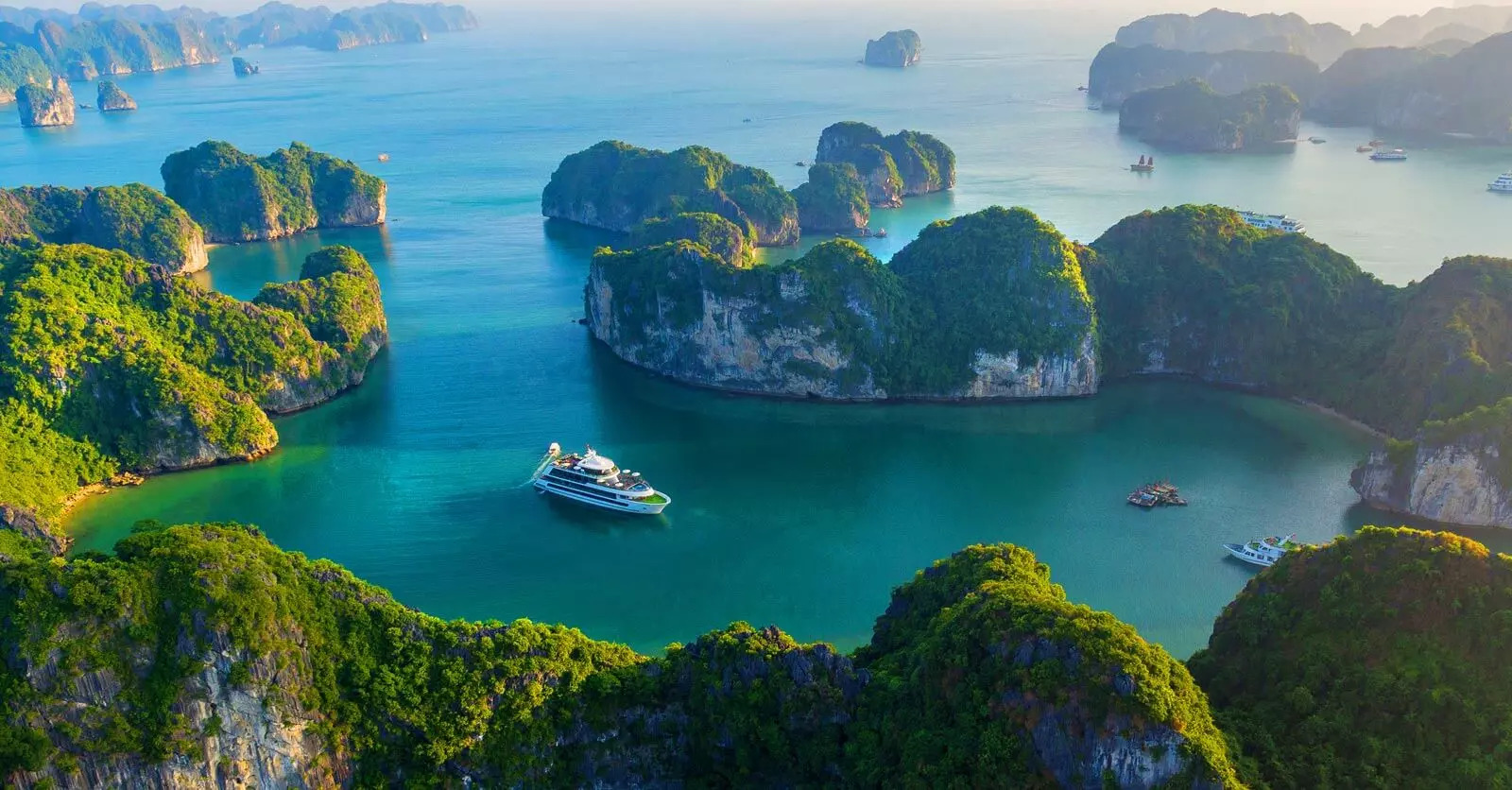
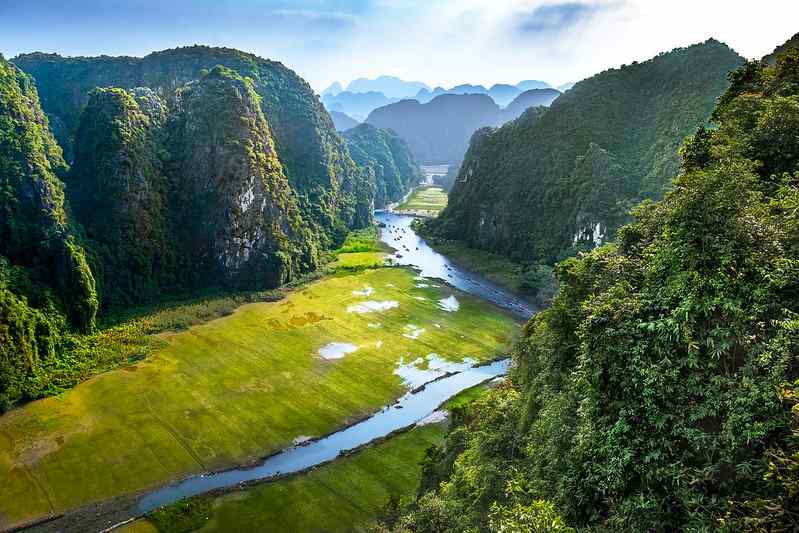
The limestone karst landscapes of Ninh Binh are often called “Halong Bay on land,” making these destinations natural companions. Consider these options:
- 2-Day Luxury Experience: Take a 2-day Halong and Lan Ha Bay luxury cruise before or after your Bai Dinh visit to experience both the terrestrial and marine expressions of Vietnam’s limestone landscapes.
- Comprehensive 3-Day Journey: For those seeking deeper immersion, a 3-day luxury cruise through Halong and Lan Ha Bay offers the perfect complement to the spiritual experience of Bai Dinh Pagoda.
Many visitors find that the serene waters of Halong Bay create a meditative experience that pairs beautifully with the spiritual atmosphere of Bai Dinh Pagoda.
Nearby Attractions in Ninh Binh Province
Within a 30-minute drive from Bai Dinh Pagoda, you can explore:
- Trang An Landscape Complex: Take a 2-hour sampan boat ride through limestone caves and valleys (150,000 VND per person)
- Tam Coc: Known as “Halong Bay on land” with its famous boat journey through rice fields and karst mountains
- Mua Cave: Climb 500 steps for the most spectacular panoramic view of Ninh Binh province
- Hoa Lu Ancient Capital: Vietnam’s first capital city with historic temples dedicated to Emperor Dinh and Emperor Le
Plan at least 2-3 days in Ninh Binh to experience these attractions without rushing.
What to Wear and Bring When Visiting Bai Dinh Pagoda
Appropriate Attire for a Religious Site
Respect for Buddhist traditions is important when visiting Bai Dinh Pagoda:
- Clothing: Wear modest attire covering shoulders and knees. Avoid revealing or tight clothes.
- Footwear: Comfortable walking shoes are essential as you’ll cover approximately 4-5km exploring the complex. Shoes must be removed when entering certain temple buildings.
- Head covering: Not mandatory but recommended for sun protection during summer months.
Essential Items to Pack
Prepare for your visit with these necessities:
- Water bottle: Refill stations are available throughout the complex
- Sun protection: Hat, sunglasses, and sunscreen (especially April-October)
- Light rain jacket or umbrella (during spring and summer months)
- Power bank: Important for full-day visits as photo opportunities are plentiful
- Small denominations of Vietnamese dong: For offerings, electric car service, and refreshments
Selecting Your Perfect Time to Visit Bai Dinh Pagoda
The best time to visit Bai Dinh Pagoda ultimately depends on your personal preferences and priorities:
- For cultural immersion and festivals: February 8-25, 2025, during the height of the Bai Dinh Festival
- For ideal weather and photography: October 5-25, 2025, when autumn brings clear skies and golden light
- For spiritual contemplation with fewer crowds: November 10-30 or September 15-30, 2025
- For comfortable exploration of the entire complex: April 5-25 or October 10-30, 2025
Whatever season you choose, Bai Dinh Pagoda offers a profound glimpse into Vietnam’s Buddhist heritage and architectural achievements. By planning your 2025 visit with this guide’s insights, you’ll experience this magnificent spiritual landmark at its very best.
For a complete northern Vietnam experience, consider extending your journey to include the breathtaking seascapes of Halong Bay, creating a perfect balance of mountain temples and maritime wonders that showcase the diverse beauty of Vietnam.
- Hotline | WhatsApp: +84.978.358.422
- Phone | WhatsApp: +84.962.261.687
- Email: halongbayluxcruises@gmail.com
- vietnammarveltravel@gmail.com
Top Halong Bay Cruise Review on TripAdvisor