

7 Worst Months to Visit Lan Ha Bay: Weather Warnings & Planning Guide for 2026-2027
Lan Ha Bay, with its emerald waters and striking limestone karsts, captivates travelers year-round – but timing your visit can make or break your experience. Certain months bring challenging weather that can transform this paradise into a disappointing venture. This comprehensive guide reveals the worst times to visit, essential packing tips, and strategic alternatives to ensure your 2026-2027 Lan Ha Bay adventure delivers the breathtaking experience you deserve.
Understanding Lan Ha Bay’s Seasonal Weather Patterns
Situated in northern Vietnam, Lan Ha Bay experiences distinct seasonal variations that directly impact visitor experiences. Unlike popular belief that tropical destinations offer perfect weather year-round, this UNESCO-recognized region faces dramatic seasonal shifts that savvy travelers should understand before booking.
Spring Season (March-May): Transition Period
Spring represents a transitional period in Lan Ha Bay, gradually shifting from the cooler winter months to the approaching summer heat:
- Temperature Range: 20°C-29°C (68°F-84°F)
- Humidity Levels: Moderate, averaging 75-80%
- Rainfall: Gradually increasing from 60mm in March to approximately 180mm by May
- Water Clarity: Good to excellent, with visibility extending to 5-8 meters
April typically offers the sweet spot with comfortable temperatures, minimal rainfall, and spectacular sunrise vistas across the bay. During this period, the 592 islands of Lan Ha Bay are showcased in optimal lighting conditions for photography enthusiasts.
Summer Season (June-August): Prime Monsoon Period
Summer brings the most challenging conditions for visitors to Lan Ha Bay, with July and August ranking among the absolute worst months for travel:
- Temperature Range: 28°C-36°C (82°F-97°F) with heat indexes frequently exceeding 40°C (104°F)
- Humidity Levels: Extremely high at 85-95%
- Rainfall: Heavy and persistent, reaching 300-400mm per month
- Storm Risk: High probability of typhoons (2-3 tropical cyclones monthly during peak season)
- Cruise Cancellation Rate: Approximately 15-25% of scheduled departures experience weather-related disruptions
The combination of sweltering heat, torrential downpours, and rough seas creates highly uncomfortable and potentially dangerous conditions. Water activities become severely restricted, and the scenic beauty is often obscured by heavy cloud cover and mist.
Autumn Season (September-November): Gradual Improvement
Autumn brings welcome relief as the monsoon season gradually subsides, though September remains problematic:
- Temperature Range: 22°C-31°C (72°F-88°F)
- Humidity Levels: Decreasing from 85% to 70% as the season progresses
- Rainfall: September still receives 250-300mm, dropping significantly to 40-60mm by November
- Water Visibility: Improves dramatically from late October onwards
By late October and November, Lan Ha Bay transforms with crystal-clear skies, comfortable temperatures, and remarkably calm waters – making this period one of the year’s most desirable for cruising.
Winter Season (December-February): Cool and Dry
Winter brings distinctly cooler and drier conditions to Lan Ha Bay:
- Temperature Range: 15°C-22°C (59°F-72°F), with overnight lows occasionally dropping to 12°C (54°F)
- Humidity Levels: Lowest of the year at 65-75%
- Rainfall: Minimal, averaging just 25-40mm monthly
- Weather Stability: Highly predictable with excellent cruise reliability
While swimming may be less appealing due to cooler water temperatures (19°C-21°C/66°F-70°F), winter offers exceptional visibility for photography and sightseeing, with the bay’s 139 square kilometers showcased under brilliantly clear skies.
The 7 Worst Months to Visit Lan Ha Bay in 2026-2027
After analyzing historical weather data and forecasts for 2026-2027, these months present the most significant challenges for Lan Ha Bay visitors:
1. July: Peak Typhoon Season
July consistently ranks as the absolute worst month for Lan Ha Bay travel due to:
- Extreme Weather Events: Forecasts indicate 2-3 potential typhoons for July 2026
- Rainfall Volume: Expected to exceed 350mm
- Cruise Disruptions: Historical data shows approximately 25% of cruises face cancellations or major itinerary changes
- Outdoor Activity Limitations: Kayaking, swimming, and beach visits frequently canceled due to unsafe conditions
- Visibility Issues: Heavy cloud cover significantly diminishes the bay’s scenic beauty
During July 2025, meteorologists predict heightened tropical storm activity across the Gulf of Tonkin, with Lan Ha Bay situated directly in the potential path of these weather systems.
2. August: Persistent Monsoon Conditions
August continues the challenging pattern with:
- Excessive Heat: Daytime temperatures consistently above 32°C (90°F) with “feels like” temperatures reaching 40°C (104°F)
- Torrential Rainfall: Approximately 300-350mm expected throughout the month
- High Humidity: Averaging 90%, creating uncomfortable conditions even during non-rainy periods
- Limited Visibility: Frequent fog and mist reducing scenic views to less than 1km
- Water Quality Concerns: Runoff from heavy rains can temporarily reduce water clarity
The Vietnamese Meteorological Service anticipates that August 2025 will follow historical patterns with 15-20 rainy days throughout the month.
3. September: Lingering Storm Risks
While conditions begin improving, September remains problematic:
- Transitional Weather: Unpredictable patterns with sudden storm development
- Late-Season Typhoons: Historical data shows September has a 40% chance of tropical cyclone activity
- Rainfall: Still substantial at 250-300mm, though tapering by month’s end
- Sea Conditions: Choppy waters can persist, affecting cruise comfort
For 2025, climatologists predict a gradual improvement in conditions during the second half of September, though the first two weeks remain high-risk for adverse weather.
4. June: Early Monsoon Development
June marks the beginning of challenging conditions:
- Rapidly Deteriorating Weather: The transition from spring to summer brings increasingly unstable weather patterns
- Building Heat: Temperatures climbing to uncomfortable levels (30°C-34°C/86°F-93°F) with high humidity
- Afternoon Thunderstorms: Typically occurring between 2-6 PM, disrupting afternoon cruise activities
- Increasing Rainfall: 200-250mm expected, concentrated in heavy downpours rather than consistent precipitation
The 2025 forecast suggests June may experience an earlier-than-normal monsoon onset, potentially making conditions worse than historical averages.
5. Early October: Post-Monsoon Transition
While late October offers excellent conditions, the month’s first half often faces residual monsoon effects:
- Lingering Rain Systems: Typically 8-12 rainy days concentrated in the first two weeks
- Occasional Strong Winds: Gusts of 25-35 km/h can create challenging boating conditions
- Variable Visibility: Morning fog often persisting until mid-day
- Mud and Debris: Island trails and beaches may still show effects of the monsoon season
By October 15th, conditions typically improve dramatically, making the second half highly recommended for visitors.
6. Late May: Pre-Monsoon Buildup
Late May sees the early development of summer conditions:
- Increasing Heat: Temperatures beginning to reach uncomfortable levels (28°C-32°C/82°F-90°F)
- Building Humidity: Rising to 80-85% by month’s end
- Afternoon Showers: Becoming more frequent and intense
- Decreasing Water Clarity: Beginning to show effects of increased rainfall
The first three weeks of May generally remain favorable, but conditions deteriorate noticeably during the final 7-10 days.
7. Late February: Cold Fronts and Fog
While February generally offers good conditions, its final week sometimes experiences:
- Cold Snap Potential: Temperatures occasionally dropping below 15°C (59°F)
- Dense Morning Fog: Reducing visibility until 9-10 AM
- “Crachin” Weather Pattern: A persistent drizzle and mist combination unique to northern Vietnam
- Reduced Comfort for Water Activities: Water temperatures at yearly lows (around 19°C/66°F)
These conditions aren’t severe enough to ruin a trip but can diminish the experience compared to other winter periods.
Essential Packing List for Challenging Weather Periods
If you must visit during suboptimal periods, proper preparation becomes crucial. Here’s what to pack based on when you’re traveling:
For Monsoon Season (June-September)
- High-Quality Rain Gear: Invest in a breathable, fully waterproof jacket rather than disposable ponchos
- Quick-Dry Clothing: Pack 3-4 sets of synthetic, moisture-wicking garments that dry within hours
- Footwear: Water-resistant sandals with good traction (like Keens or Tevas) for wet conditions
- Protection for Electronics: Waterproof cases or dry bags for phones, cameras and valuables
- Anti-Humidity Measures: Silica gel packets and airtight containers for electronics and documents
- Medications: Anti-motion sickness tablets (specifically Dramamine Non-Drowsy Formula) for potentially rough seas
- Insect Repellent: Products containing 25-30% DEET for maximum effectiveness
- Portable Fan: Battery-operated personal fan for humidity relief
For Cooler Periods (December-February)
- Layering System: Light but warm layers including a fleece or light down jacket for evenings
- Wind Protection: Windproof outer layer for boat decks and exposed areas
- Appropriate Footwear: Non-slip deck shoes or hiking sandals for potentially slippery surfaces
- Thermal Swimwear: Rash guards or light wetsuits if planning water activities
- Sun Protection: Despite cooler temperatures, UV index remains high – pack SPF 50+ sunscreen
- Moisturizers: To combat the drying effects of winter winds on skin
- Binoculars: For wildlife spotting during this prime bird-watching season
Best Alternatives to the Worst Months
Instead of risking disappointment during challenging weather periods, consider these optimal times for your Lan Ha Bay adventure:
Prime Recommendation: October 15 – December 15 (2025)
This 8-week window offers the perfect combination of factors:
- Stable Weather: 80-85% chance of clear or partly cloudy days
- Comfortable Temperatures: 22°C-28°C (72°F-82°F) daytime averages
- Low Rainfall: Typically less than 50mm monthly
- Excellent Visibility: Crystal-clear conditions for photography
- Moderate Tourism: Avoiding both summer crowds and holiday peak periods
- Value Pricing: Typically 15-20% lower than winter holiday rates
During this period, the limestone karsts are showcased against brilliant blue skies, and water clarity allows visibility down to 8-10 meters – ideal for swimming and underwater photography.
Secondary Recommendation: March 1 – April 30 (2026)
This spring period offers another excellent alternative:
- Warming Temperatures: Pleasant 23°C-27°C (73°F-81°F) daytime averages
- Emerging Greenery: Islands showcase vibrant new vegetation
- Low Storm Risk: Virtually zero chance of typhoons
- Balanced Tourism: Moderate visitor numbers create a pleasant atmosphere
- Special Atmosphere: Morning mists create magical photographic opportunities
Spring visits allow you to experience Lan Ha Bay’s 366 square kilometers of marine area at its most tranquil, with lighter breezes and calmer seas than other seasons.
Must-See Lan Ha Bay Highlights Worth the Weather Wait
When timed correctly, these signature experiences justify postponing your trip to avoid the worst weather months:
Dark & Bright Cave (Hang Sáng Tối)
This remarkable limestone formation is best experienced during optimal weather conditions:
- Ideal Visiting Time: November-April for the clearest water visibility
- Experience: Kayak through a 100-meter limestone tunnel that opens into a spectacular enclosed lagoon
- Wildlife Opportunity: Home to rare langur monkeys and sea eagles, most active during morning hours
- Photography Tip: Between 11AM-1PM, sunlight penetrates the cave opening, creating dramatic light rays
The cave’s natural stone arch spans 40 meters in height, but its beauty is significantly diminished during rainy periods when water clarity suffers.
Ba Trai Dao Islands (Three Peaches Islands)
This iconic trio of islets reveals hidden beaches during specific tidal conditions:
- Best Viewing: October-November when clear skies highlight the islands’ distinctive shapes
- Secret Beach Access: Only fully accessible during low tide (tide charts vary annually)
- Swimming Conditions: Water temperatures reach their most comfortable level (25°C/77°F) during April and October
- Notable Feature: The 22-meter vertical limestone cliff on the western island offers the bay’s most dramatic sunset backdrop
These islands feature prominently in Vietnamese folklore and are considered a symbol of Lan Ha Bay’s ethereal beauty.
Van Boi Beach
This pristine 400-meter stretch of sand offers:
- Prime Season: November-May for calm waters and clean shores
- Distinctive Feature: The crescent-shaped beach is framed by a 70-meter limestone cliff
- Activities: Excellent spot for beginner kayakers with protected waters
- Ecological Interest: Home to over 200 species of coral in the adjacent reef (best visibility in April)
During monsoon months, this beach often accumulates debris and experiences strong currents that can make swimming unsafe.
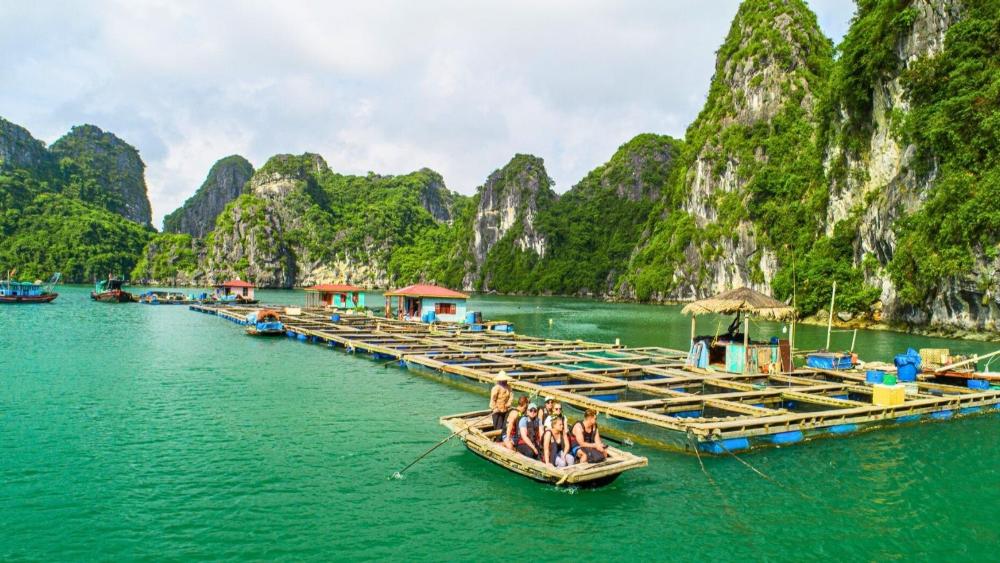
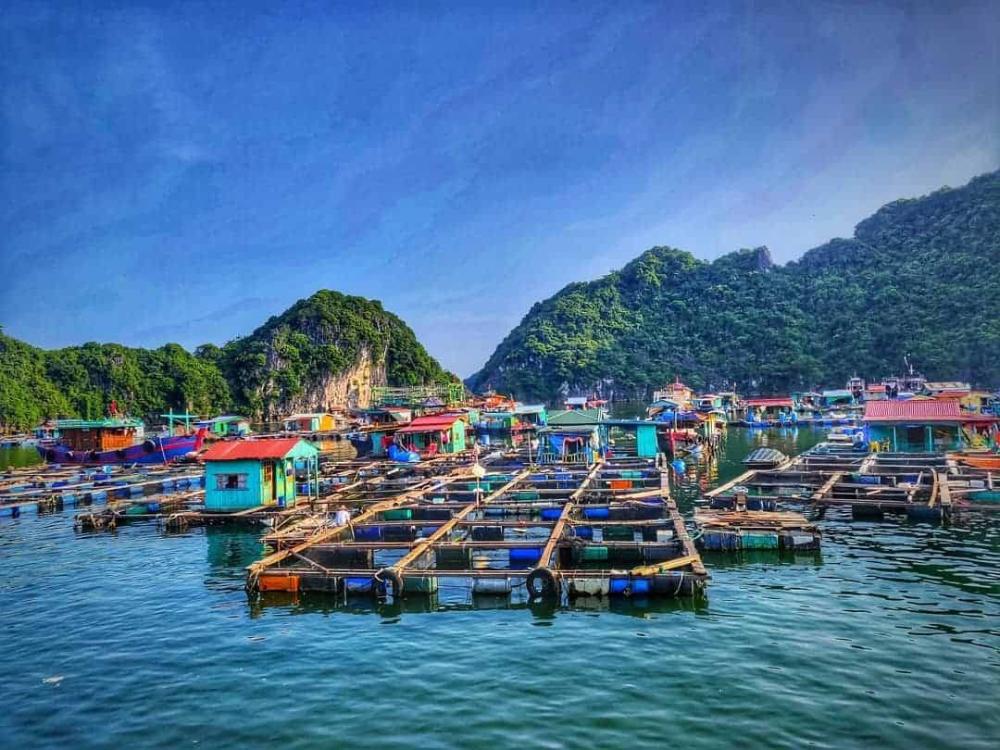
Lan Ha Floating Villages
These authentic fishing communities provide cultural insights:
- Optimal Visits: December-February when fishing activity is most vibrant
- Cultural Experience: Observe traditional pearl farming techniques at Cai Beo village, home to approximately 300 permanent residents
- Local Interaction: Opportunity to purchase fresh seafood directly from fishing families
- Photography Value: Morning mist (6-8AM) creates ethereal scenes as boats emerge from the fog
These communities have inhabited the bay for over 19 generations and maintain traditional lifestyles largely unchanged by tourism.
Practical Travel Tips for Lan Ha Bay in 2026-2027
Enhance your experience with these insider recommendations:
Cruise Selection Strategies
- Weather Guarantee Policies: Book with operators like Halong Bay Lux Cruises that offer weather-related rebooking options
- Vessel Size Consideration: Larger ships (capacity 30+ passengers) provide more stability in choppy waters
- Itinerary Flexibility: Choose 3-day cruise packages that allow for schedule adjustments around weather systems
- Room Selection: Upper deck cabins offer better ventilation during humid periods, while lower deck cabins provide more stability during rough seas
For 2025-2026, newly launched luxury vessels featuring enhanced stabilization technology offer superior comfort during transitional weather periods.
Weather Monitoring Resources
- Reliable Forecasting: Use Vietnam’s National Center for Hydro-Meteorological Forecasting (NCHMF) for the most accurate predictions
- Mobile Applications: Download “Windy” app for real-time wind and storm tracking specific to the Gulf of Tonkin
- Local Communication: Install Zalo (Vietnam’s messaging platform) to receive direct updates from cruise operators
- Satellite Imagery: Earth Nullschool (earth.nullschool.net) provides visual wind and precipitation patterns
Weather patterns in Lan Ha Bay can change rapidly, with forecasts becoming increasingly reliable within a 72-hour window.
Maximizing Photography Opportunities
- Golden Hours: October through December offers the most spectacular sunrise lighting between 5:50-6:30 AM
- Cave Photography: March provides optimal light rays in limestone caves around 11AM-1PM
- Equipment Protection: Silica gel packets and airtight containers protect gear from the 85%+ humidity
- Recommended Filters: Polarizing filters significantly enhance water clarity and sky contrast, especially beneficial during December’s crystal-clear conditions
Professional photographers often schedule Lan Ha Bay shoots specifically during mid-November when atmospheric conditions create exceptional color saturation and clarity.
Making the Most of a 2-Day Cruise Experience
For travelers with limited time, a strategic approach to a 2-day itinerary ensures maximum enjoyment:
Day 1: Orientation and Exploration
- Morning Embarkation: Departures before 12:30 PM avoid afternoon thunderstorms during summer months
- Afternoon Activities: Front-load water activities like kayaking earlier in the day when conditions are typically calmer
- Evening Experience: Sunset viewing from the top deck offers spectacular photography between 5:30-6:15 PM (exact times vary seasonally)
Day 2: Cultural Immersion and Relaxation
- Early Morning: Consider sunrise Tai Chi sessions offered on most cruises (typically 6:00-6:30 AM)
- Mid-Morning: Visit fishing villages before the heat builds (particularly important June-September)
- Departure Strategy: Most 2-day cruises return to port by 11:30 AM, avoiding potential afternoon weather disruptions
A well-planned 2-day cruise can capture 80% of Lan Ha Bay’s highlights while minimizing weather risks.
Conclusion: Timing Your Perfect Lan Ha Bay Adventure
While Lan Ha Bay offers breathtaking beauty throughout the year, strategic timing dramatically enhances your experience. By avoiding the challenging months of June through September and planning around the optimal windows of October-December or March-April, you’ll maximize your chances of experiencing this natural wonder at its finest.
Remember that weather patterns can vary, but the comprehensive guidance in this article reflects both historical data and forward-looking forecasts for 2025-2026. Whether you’re seeking perfect photography conditions, ideal swimming opportunities, or simply the most comfortable cruising experience, proper timing is the key to unlocking Lan Ha Bay’s true magic.
Ready to plan your perfectly timed Lan Ha Bay adventure? Explore luxury cruise options that offer the flexibility and comfort to make your journey unforgettable, regardless of when you choose to visit.
- Hotline | WhatsApp: +84.978.358.422
- Phone | WhatsApp: +84.962.261.687
- Email: halongbayluxcruises@gmail.com or vietnammarveltravel@gmail.com
- Website: halongbayluxcruises.com
- Reviews: Top Halong Bay Cruise Reviews on TripAdvisor
- Fanpage: https://www.facebook.com/halongbayluxcruises