Halong Bay Vietnam 2026: 23 Must-Know Tips Before Your Trip
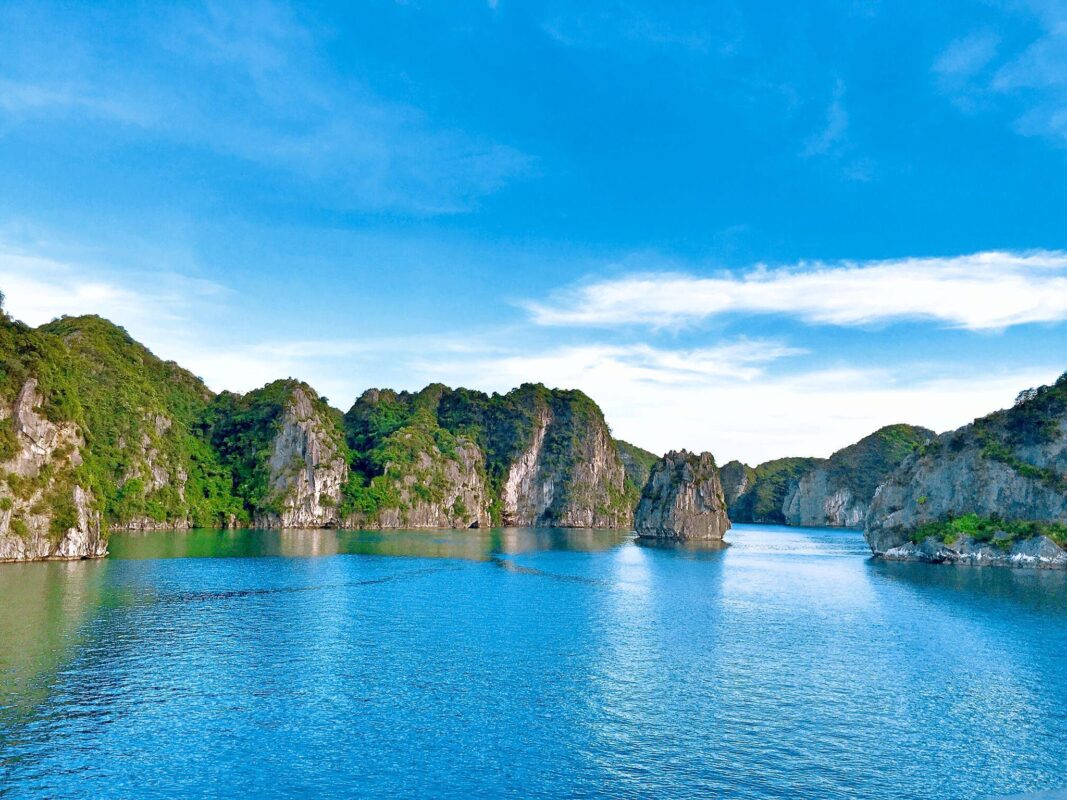
Discover the enchanting beauty of Halong Bay Vietnam with our comprehensive 2026 guide. From navigating 1,969 limestone karsts to selecting perfect luxury cruises, we’ve assembled expert insights, hidden gems, and practical travel tips to create your dream journey through this UNESCO World Heritage marvel.
What Makes Halong Bay Vietnam a World-Class Destination in 2025
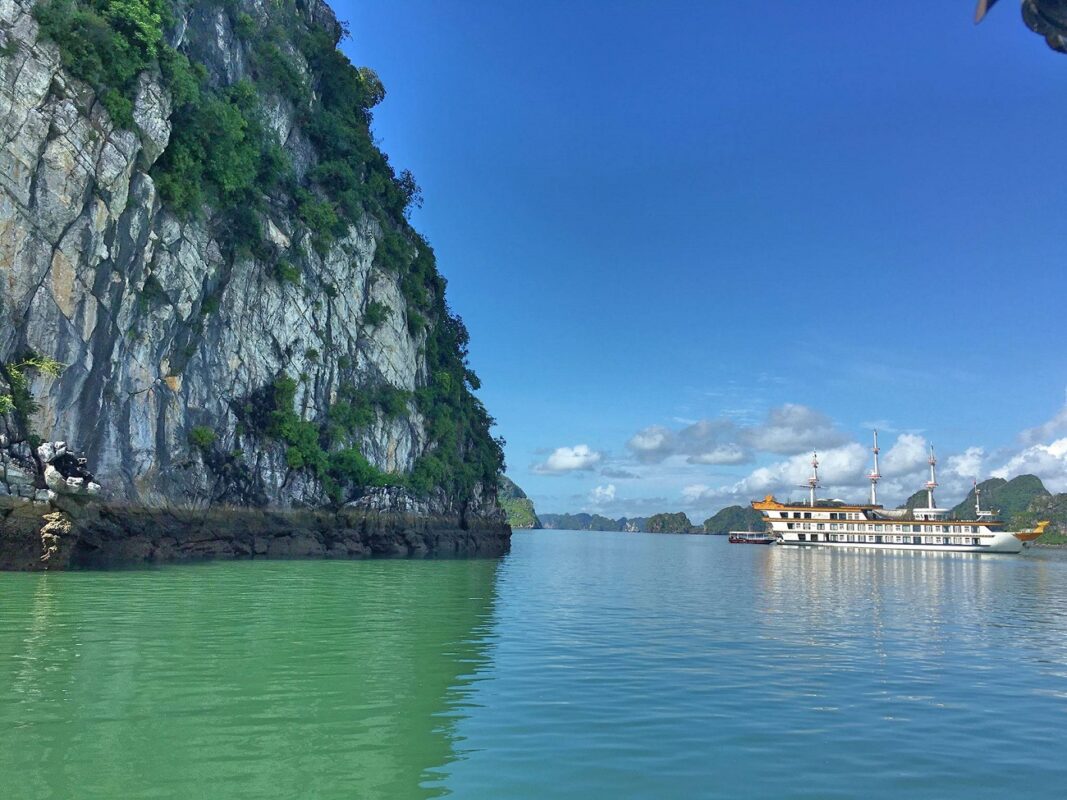
Halong Bay—”Vịnh Hạ Long” in Vietnamese—translates to “descending dragon bay,” a name steeped in Vietnamese mythology. According to local legend, the gods sent dragons to help defend Vietnam from invaders, and these dragons spat out jewels that formed the thousands of islands scattered across the bay.
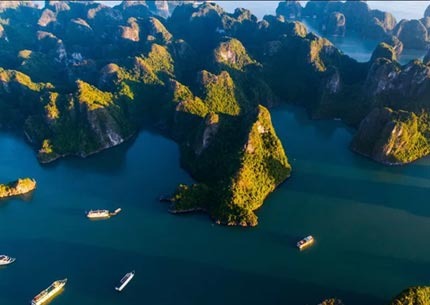
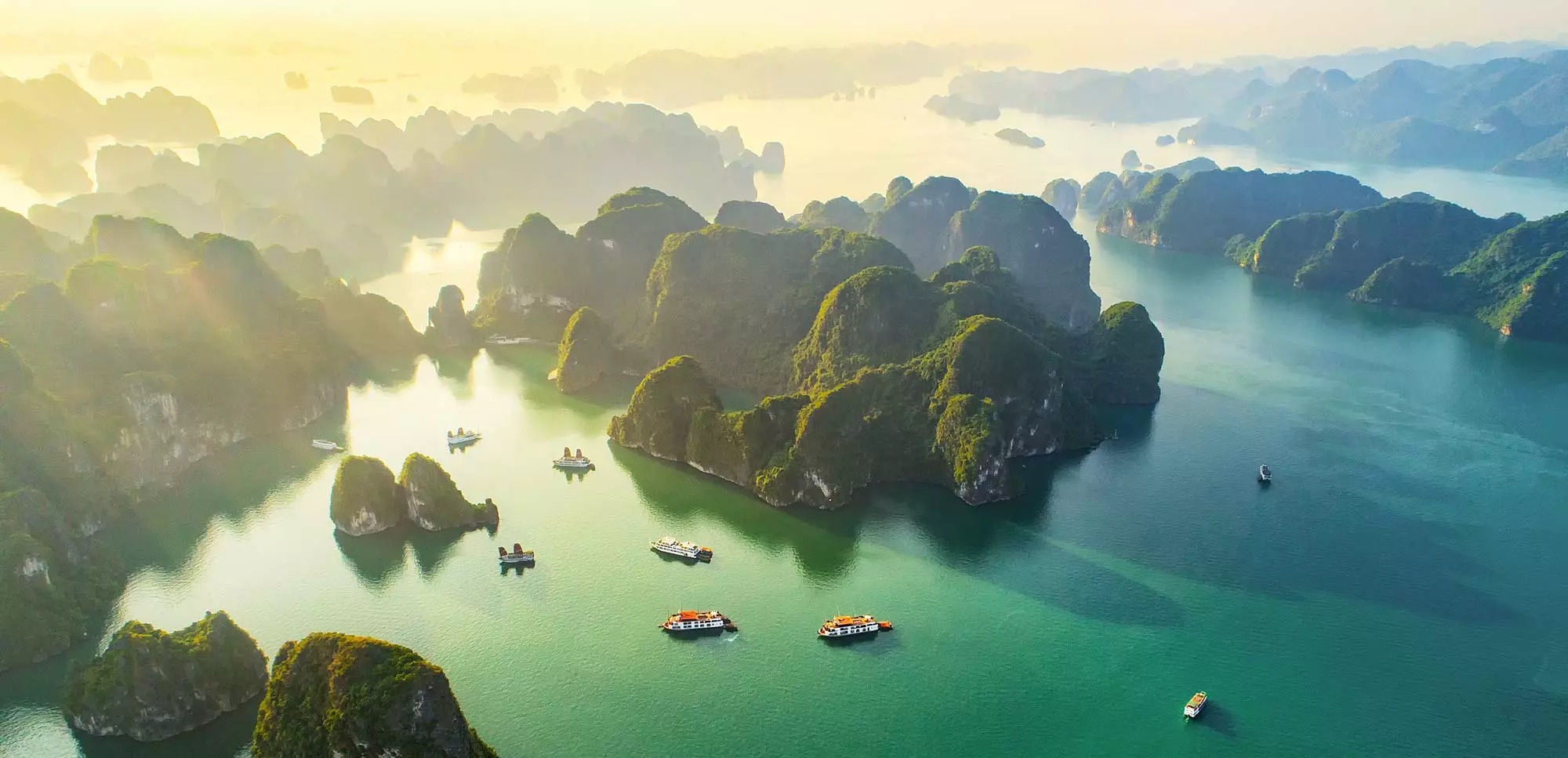
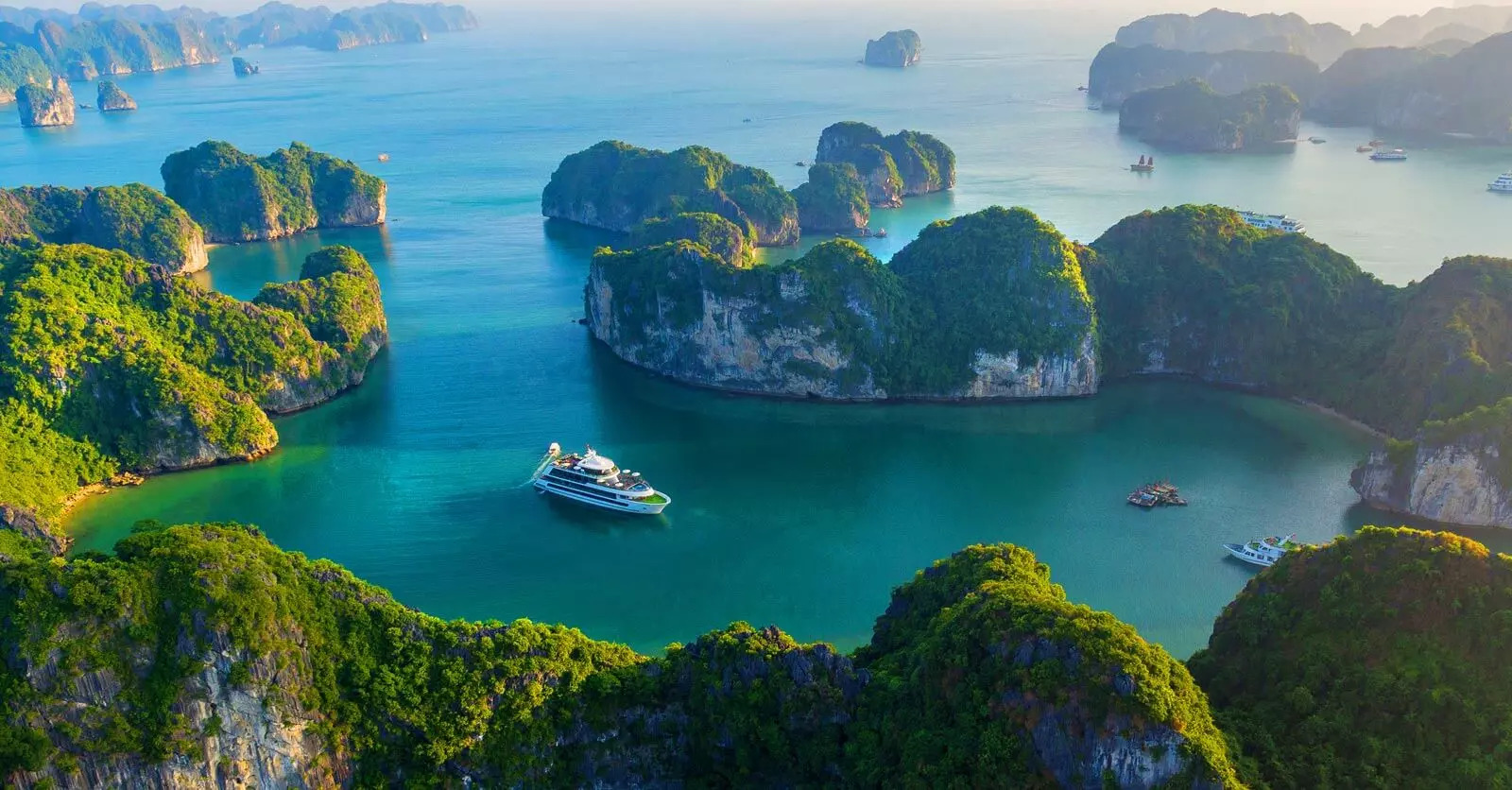
Beyond mythology, Halong Bay represents a geological masterpiece formed over 500 million years. This natural wonder spans an impressive 1,553 square kilometers in Quang Ninh province, featuring 1,969 limestone islands and islets of various sizes and shapes. The unique landscape earned UNESCO World Heritage status in 1994 and recognition as one of the New7Wonders of Nature in 2011.
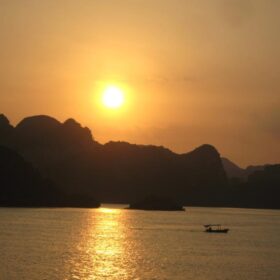
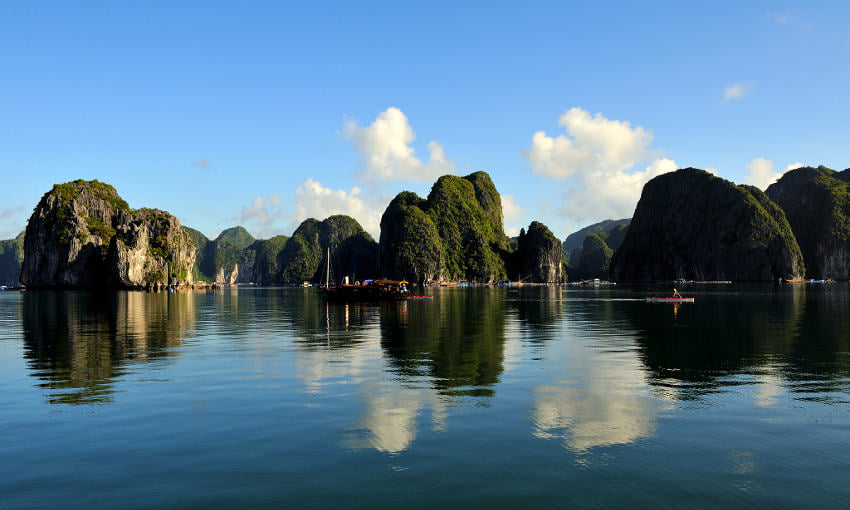
What truly distinguishes Halong Bay is its remarkable biodiversity. The area hosts over 60 endemic animal species and 14 endemic floral species, creating a rich ecosystem unlike anywhere else on Earth. The limestone karsts, rising dramatically from emerald waters, create a mystical landscape that changes with the light throughout the day.
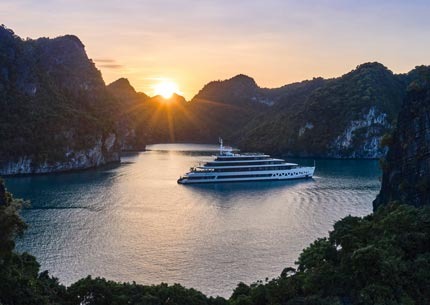
For visitors planning their 2026 journey, Halong Bay offers unprecedented access to this natural splendor through luxury cruise experiences that combine comfort with adventure, allowing travelers to immerse themselves in this geological marvel while enjoying world-class amenities.
23 Extraordinary Things to Do in Halong Bay Vietnam (2026 Edition)
1. Explore the Magnificent Sung Sot Cave (Surprise Cave)
Sung Sot Cave, the crown jewel of Halong Bay’s cave systems, spans an impressive 10,000 square meters with two massive chambers. The cave’s interior reaches heights of 30 meters, featuring dramatic stalactites and stalagmites illuminated by a sophisticated lighting system that highlights formations resembling soldiers, dragons, and mythical creatures.
The cave earned its nickname “Surprise Cave” from the French who were astonished by its grandeur upon discovery. To fully appreciate its magnificence, visit between 9-10 AM when cruise crowds are thinner and the lighting creates optimal photo opportunities.
2. Kayak Through the Magical Luon Cave
Experience the thrill of paddling through Luon Cave’s 60-meter limestone tunnel, which opens into a spectacular enclosed lagoon spanning 8,000 square meters. This hidden paradise is surrounded by 100-meter vertical limestone cliffs and lush vegetation that creates a microclimate inside.
The crystal-clear waters with visibility up to 5 meters reveal vibrant marine life, including colorful reef fish and occasionally playful macaques along the shoreline. Kayaking through this natural wonder provides intimate access impossible for larger vessels and offers opportunities for wildlife spotting in their natural habitat.
3. Conquer the Heights of Ti Top Island
Named after Soviet cosmonaut Gherman Titov who visited with Ho Chi Minh in 1962, Ti Top Island offers the most panoramic viewpoint in Halong Bay. The climb involves 427 stone steps (not the commonly misreported 450) to the summit at 110 meters above sea level.
From this vantage point, visitors enjoy a spectacular 360-degree vista spanning approximately 20 square kilometers of Halong Bay, capturing hundreds of limestone formations in a single sweeping view. The island also boasts a 400-meter crescent beach with pristine white sand perfect for swimming, with water temperatures averaging 25°C (77°F) during peak season.
4. Immerse Yourself in Cua Van Floating Village Life
Cua Van, the largest floating village in Halong Bay, hosts 176 households (approximately 700 residents) who maintain a traditional fishing lifestyle dating back generations. These floating homes are constructed from durable jackfruit wood and typically measure 40-50 square meters, anchored to the seabed with ingenious systems that allow them to rise and fall with the tides.
Village highlights include:
- Traditional pearl cultivation demonstrations
- Net-fishing experiences with local fishermen
- The Cua Van Cultural Center, a floating museum preserving centuries of maritime traditions
- Educational programs about sustainable fishing practices
Visitors can contribute to local community development through responsible tourism initiatives that help fund educational programs for the village children.
5. Discover the Untouched Beauty of Bai Tu Long Bay
Bai Tu Long Bay, the less-traveled northeastern extension of Halong Bay, offers similar stunning karst formations with only 15% of the visitor numbers found in central Halong Bay. This tranquil alternative spans approximately 158 square kilometers and features over 1,000 islands.
The area’s highlights include the pristine Ban Chan Beach with its 700 meters of white sand, the fascinating Thien Canh Son Cave with unique “elephant trunk” limestone formations, and the Vung Vieng fishing village where fewer than 50 families maintain traditional lifestyles.
For an exclusive experience away from crowds, consider a specialized cruise itinerary that combines Halong Bay’s highlights with Bai Tu Long’s serenity.
6. Experience Cat Ba Island & National Park Adventures
Cat Ba Island, spanning 140 square kilometers, offers the perfect complement to your Halong Bay cruise experience. The island’s national park protects primary rainforest covering 54% of its land area and hosts 32 mammal species including the critically endangered white-headed langur (with fewer than 70 individuals remaining in the wild).
Adventure opportunities include:
- Treks through six distinct ecosystems along 20km of trails
- Climbing opportunities with over 120 bolted routes at Butterfly Valley
- Cycling the 15km scenic coastal road connecting Cat Ba Town to Cannon Fort
- Exploring Hospital Cave, a 17-room complex that served as a secret facility during the American War
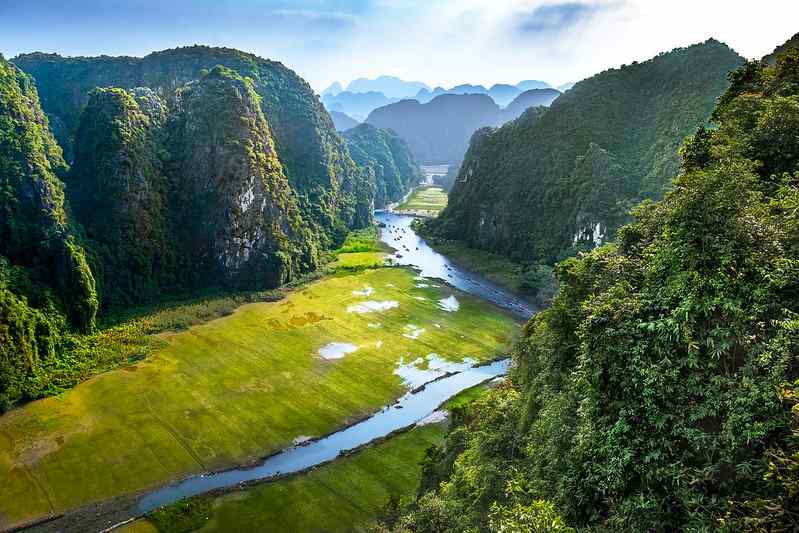
For travelers seeking a deeper exploration of northern Vietnam’s natural wonders, combined itineraries including Halong Bay, Cat Ba, and nearby Ninh Binh provide an immersive nature experience.
7. Savor Authentic Halong Bay Cuisine
Halong Bay’s cuisine reflects its maritime heritage with signature dishes unavailable elsewhere in Vietnam. Must-try local specialties include:
- Chả mực Hạ Long (Halong squid sausage): Made from squid caught in Halong’s waters, pounded for 30 minutes to create a distinctive texture and grilled over charcoal
- Sá sùng (peanut worms): A delicacy from the bay floor, often dried and used to enhance the flavor of dipping sauces
- Ngán (ark clams): Unique to Quang Ninh province, these rare mollusks are prepared with lemongrass and chili
- Gật gù rice wine: Locally distilled rice wine (35% alcohol content) infused with medicinal herbs
Local food markets like Cai Dam (open 5 AM to 6 PM daily) offer the freshest seafood and culinary immersion opportunities, with cooking classes available on premium cruises for those wanting to master these regional specialties.
8. Try Sunrise Tai Chi on Cruise Decks
Begin your day with traditional Tai Chi sessions on the upper decks of luxury cruises as the sun rises over Halong Bay. This ancient Chinese practice, dating back to the 13th century, combines meditation with flowing movements, perfectly complementing the serene morning atmosphere of the bay.
Professional instructors guide participants through 30-45 minute sessions focusing on breathing techniques and gentle movements suitable for all fitness levels. The experience takes place against the backdrop of misty limestone karsts and glowing morning light that photographers call “the golden hour.”
9. Photograph the Bay from Bai Tho Mountain Viewpoint
For photography enthusiasts, Bai Tho (Poetry) Mountain in Halong City offers the most comprehensive panoramic view of the bay. Standing 200 meters tall, this limestone outcrop provides a 270-degree vista encompassing both the urban development of Halong City and the natural wonder of the bay’s karst landscape.
The viewpoint requires a moderately challenging 30-minute climb and offers optimal photography conditions during the “golden hours” (5:30-7:00 AM and 5:00-6:30 PM). Recent developments include improved safety railings and designated photography platforms installed in 2024.
10. Dive and Snorkel in Lan Ha Bay
Lan Ha Bay, adjacent to Halong Bay with 300+ limestone islands, offers superior diving and snorkeling conditions due to:
- Higher water clarity (visibility up to 10 meters)
- Less boat traffic reducing sediment disturbance
- Protected marine areas with greater biodiversity
Top snorkeling sites include:
- Ba Trai Dao (Three Peaches) islets with coral gardens at 3-8 meters depth
- Van Boi area featuring over 100 species of hard and soft corals
- Tra Bau with calm, protected waters ideal for beginners
Marine life encounters may include parrotfish, groupers, lionfish, and occasionally bamboo sharks, with the best visibility between October and April.
11. Observe Sunrise and Sunset from Prime Locations
Capturing the magical light transitions of Halong Bay requires knowing precisely where to be at the right moment:
Sunrise Locations (4:45-6:30 AM depending on season):
- Ti Top Island summit (facing east)
- Sung Sot Cave entrance platform
- Cruise ship sun decks in the Hung Thang cruise zone
Sunset Locations (5:30-7:00 PM depending on season):
- Bai Chay Bridge observation deck
- Tuan Chau Marina viewpoint
- Cruise ships positioned near Cong Do area
The interplay of light, limestone, and mist creates phenomenal photography opportunities, with the most dramatic conditions often occurring during the shoulder seasons (March-April and September-October) when atmospheric conditions create the famous “dragon’s breath” mist effect.
12. Learn About Pearl Cultivation at Tung Sau Pearl Farm
Discover the fascinating process of pearl cultivation at Tung Sau, one of the largest pearl farms in Halong Bay spanning 13 hectares. Visitors can observe the complete pearl farming cycle, from oyster selection to harvesting.
The farm specializes in producing Akoya pearls ranging from 6-9mm, requiring 3-5 years of cultivation. The guided tour explains how technicians delicately implant nuclei and how specific water conditions in Halong Bay contribute to the pearls’ distinctive luster and coloration.
Interactive opportunities include handling oysters at different development stages and even selecting an oyster to open, with the chance to keep any pearls discovered inside.
13. Experience Nighttime Squid Fishing
Participate in the traditional practice of squid fishing under the stars, a nighttime activity offered on most Halong Bay cruises. Using simple bamboo rods with bright lights to attract squid, visitors learn techniques passed down through generations of local fishermen.
The experience typically runs from 8:00-9:30 PM when squids are most active, especially during the prime season from August to December when catch rates are highest. Some luxury cruises enhance this activity with fresh cooking demonstrations, preparing your catch using traditional recipes with chili, lemongrass, and local herbs.
14. Visit the Newly Expanded Cua Van Cultural Center
The Cua Van Cultural Center, expanded in 2024, provides comprehensive insight into the 300-year history of Halong Bay’s floating communities. The center features 1,200 artifacts displayed across eight thematic exhibition spaces.
Highlights include traditional fishing equipment, authentic floating home reconstructions, and interactive displays demonstrating navigation techniques used before modern technology. The center also showcases the evolution of boat-building techniques through a collection of scale models and actual preserved vessel components.
Cultural performances featuring traditional music from floating village communities occur twice daily (10:30 AM and 2:30 PM), performed by residents of the villages themselves.
15. Explore Me Cung Cave (Maze Cave)
Me Cung Cave, less visited than its more famous counterparts, offers a fascinating archaeological component alongside natural beauty. The cave complex features narrow passages opening into spectacular chambers with ceiling heights of up to 25 meters.
Archaeological excavations conducted between 2018-2022 uncovered evidence of human habitation dating back 10,000-7,000 years, including stone tools, pottery fragments, and food remains. These findings are displayed in a small exhibition at the cave entrance.
The cave’s unique “maze” layout includes passages connecting seven distinct chambers, creating a natural labyrinth that requires guided exploration. The exit opens to a hidden lagoon surrounded by limestone cliffs, offering spectacular photo opportunities.
16. Bird Watch at Cong Dam Geological Park
For nature enthusiasts, Cong Dam Geological Park in the northeastern section of Halong Bay provides premier bird watching opportunities. The area hosts 200+ bird species, including 12 on Vietnam’s Red List of endangered species.
Key species observable throughout the year include white-bellied sea eagles, pied kingfishers, and Brahmin kites. During migration seasons (March-April and September-October), additional species include egrets, herons, and occasionally black-faced spoonbills.
The park’s landscape features unique geological formations including “sunken lakes” – enclosed lagoons within karst formations accessible only during specific tide conditions. These isolated ecosystems support specialized bird populations adapted to their unique conditions.
17. Participate in Beach Cleanups and Conservation
Join community-based conservation efforts through organized beach cleanup programs operating at various locations around Halong Bay. These initiatives, often coordinated by cruise companies in partnership with local environmental organizations, have removed over 15 tons of waste from bay beaches in 2025 alone.
Participants receive educational briefings about marine conservation challenges specific to Halong Bay and contribute directly to preservation efforts through 2-3 hour guided cleanup sessions. Some luxury cruise operators including Bhaya and Heritage have incorporated these activities into their regular itineraries for 2026.
This hands-on approach to environmental stewardship provides meaningful connection with the ecosystem while making a tangible difference to the bay’s health.
18. Discover Local Crafts at Yen Tu Village
Just 40 kilometers from Halong Bay, Yen Tu Village offers authentic insight into traditional Vietnamese craftsmanship. The village is renowned for its specialized bamboo weaving techniques, producing intricate household items and art pieces.
Visitors can participate in 60-90 minute workshops learning basic weaving techniques and creating simple keepsakes under the guidance of artisans whose families have practiced these crafts for generations. The village’s heritage center displays examples of master-level work, including bamboo items so finely woven they appear translucent.
The village lies en route between Hanoi and Halong Bay, making it an ideal cultural stop during transfers.
19. Try Stand-Up Paddleboarding Around Karst Formations
Stand-up paddleboarding (SUP) provides a unique perspective of Halong Bay’s limestone formations from water level. This increasingly popular activity allows exploration of shallow areas inaccessible to larger watercraft.
The most scenic paddleboarding routes include:
- The Ban Chan Beach area with clear waters and minimal currents
- Trinh Nu Cave area featuring dramatic overhanging karsts
- Three Peach Island with protected bays ideal for beginners
Equipment is available through cruise operators or activity centers at Tuan Chau Island, with morning sessions (7:00-9:00 AM) offering the calmest water conditions and minimal boat traffic.
20. Experience Night Kayaking with Bioluminescent Plankton
One of Halong Bay’s most magical experiences is night kayaking during peak bioluminescent plankton season (April-May and August-September). These microscopic organisms emit blue-green light when disturbed, creating an ethereal glow in the water with each paddle stroke.
The best viewing locations are in less-traveled areas like Cong Dam and Vung Vieng where light pollution is minimal. Specialized night kayaking tours provide equipment with subtle red lighting (which doesn’t diminish the bioluminescence visibility) and guides trained in nocturnal navigation.
The experience includes 60-90 minutes of paddling through areas known for high concentrations of Noctiluca scintillans (the primary bioluminescent species in Halong Bay), with opportunities to observe the phenomenon from still kayaks by trailing hands through the water.
21. Visit the Museum of Quang Ninh Province
The Museum of Quang Ninh Province, housed in a striking sail-shaped building spanning 24,000 square meters, offers essential context for understanding Halong Bay’s cultural and geological significance. The museum features seven exhibition zones across four floors.
Key exhibits include:
- A 3D geological model demonstrating the bay’s formation over 500 million years
- Archaeological artifacts from floating villages dating back 6,000+ years
- Interactive displays explaining the bay’s marine ecosystem
- Cultural exhibits showcasing the 20+ ethnic groups inhabiting the region
The museum’s top floor observation deck offers a panoramic view of Halong Bay from 65 meters above sea level, with telescopes available for detailed observation of distant formations.
22. Attend the Halong Carnival (Seasonal)
The annual Halong Carnival, held during the first weekend of May, transforms the bay area into Vietnam’s most spectacular cultural celebration. The event attracts over 500,000 visitors and features:
- A grand parade with 3,000+ performers in elaborate costumes
- Street performances representing Vietnam’s diverse ethnic traditions
- Water-based spectacles including dragon boat races and floating stages
- Evening fireworks displays launched from multiple locations across the bay
For 2025, the carnival theme celebrates Vietnam’s maritime heritage with special performances highlighting traditional boat-building techniques, fishing customs, and sea-trade relationships that have shaped the region for centuries.
23. Try Luxury Spa Treatments with Bay Views
Premium cruise operators in Halong Bay have elevated the wellness experience with innovative spa offerings that incorporate the natural surroundings. Signature treatments include:
- Stone therapy using heated limestone collected from bay beaches
- Seaweed wraps utilizing marine algae harvested sustainably from the region
- Vietnamese herbal steam baths featuring medicinal plants from Cat Ba Island
The ultimate indulgence comes from spa suites with floor-to-ceiling windows or outdoor treatment areas that maintain privacy while offering spectacular views of passing karst formations during your treatment.
7 Outstanding Halong Bay Cruises for 2026
1. Orchid Premium Cruises: Unmatched Luxury on Water
Orchid Premium Cruises sets the standard for luxury in Halong Bay with its fleet of steel-hulled vessels combining traditional Vietnamese aesthetics with modern amenities. Each ship features just 20 suites, ensuring personalized service from a staff-to-guest ratio of 1:2.
The accommodations range from impressive 36m² Premium Suites to the truly extravagant 96m² Presidential Suite. All rooms feature private balconies with unobstructed views, marble bathrooms with Jacuzzi tubs, and premium Molton Brown toiletries.
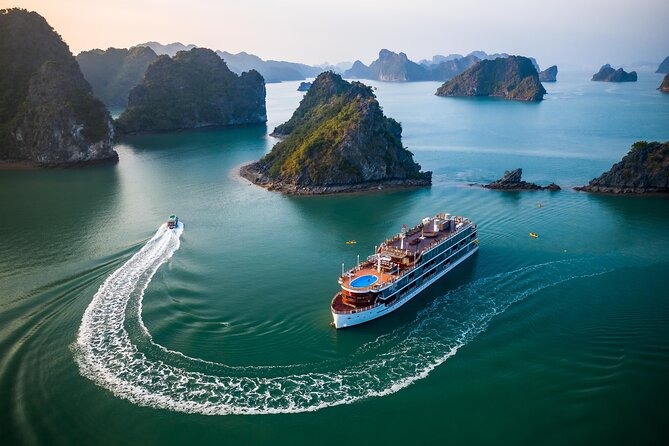
What distinguishes Orchid from competitors is their exclusive access to less-traveled routes in Lan Ha Bay, providing a more secluded experience without compromising on comfort. Their newest vessel (launched in December 2024) introduces Vietnam’s first floating infinity pool integrated into the ship’s bow.
For honeymooners and luxury travelers seeking the pinnacle of Halong Bay experiences, Orchid’s attention to detail and carefully curated itineraries make it the premier choice for 2026.
2. Paradise Elegance Cruise: Perfect Balance of Luxury and Exploration
Paradise Elegance Cruise operates two identical steel vessels that strike an ideal balance between luxury and authentic exploration. Each ship features 31 cabins ranging from 25m² Deluxe rooms to 35m² Executive Suites, all featuring private balconies with panoramic views.
The vessels’ standout features include an outdoor piano lounge where live music accompanies sunset cocktails, the Le Marin restaurant serving both international cuisine and Vietnamese specialties, and attentive butler service for all guests.
Paradise Elegance distinguishes itself through thoughtfully designed itineraries that maximize daylight hours for exploration while avoiding the most crowded sites. Their exclusive permission to visit Tung Sau pearl farm during off-peak hours provides a more intimate experience.
The cruise is ideal for families, groups, and corporate travelers seeking premium amenities without ultra-luxury pricing.
3. Heritage Cruises Binh Chuan: Boutique Cultural Experience
Heritage Cruises offers Vietnam’s only boutique cruise ship directly inspired by the country’s cultural history. The vessel design replicates the Binh Chuan, a famous ship from Vietnam’s early 20th century maritime fleet, with 20 cabins incorporating authentic period details alongside modern comforts.
Unique features include Vietnam’s first floating art gallery displaying works by contemporary Vietnamese artists, a sun deck with 360-degree panoramic views spanning 300 square meters, and immersive cultural experiences like traditional musical performances and hands-on craft demonstrations.
Heritage Cruises operates exclusively in the Lan Ha Bay region, following routes designed to showcase both natural beauty and cultural heritage through visits to floating villages and interactions with local artisans. Their signature “shrimp net pulling experience” allows guests to participate in traditional fishing methods alongside local fishermen.
This cruise appeals particularly to culturally curious travelers seeking deeper connections with Vietnamese heritage alongside natural exploration.
4. Bhaya Classic Cruises: Pioneering Sustainable Tourism
Bhaya Classic has emerged as Halong Bay’s leader in responsible tourism with their fleet of traditional wooden boats featuring modern sustainable technologies. Their vessels use solar power for approximately 25% of onboard electricity needs and implement comprehensive waste management systems that reduce plastic use by 90% compared to industry standards.
Beyond environmental initiatives, Bhaya focuses on community support through partnerships with floating villages. Their “Bhaya Care” program has funded education for 120+ children from fishing families and provided vocational training for villagers transitioning to tourism-based livelihoods.
For 2025, Bhaya introduces their exclusive “Bhaya Green” voyage, available only twice monthly, featuring enhanced eco-activities including coral planting, extensive beach cleanups, and educational workshops about marine conservation.
This cruise appeals strongly to eco-conscious travelers seeking to minimize their environmental impact while enjoying authentic Halong Bay experiences.
5. Emperor Cruises: Ultimate All-Inclusive Luxury
Emperor Cruises offers an ultra-premium experience with their all-inclusive concept, featuring just 10 oversized suites (ranging from 38-70m²) on a meticulously designed vessel inspired by the Emperors of Vietnam’s Nguyen Dynasty.
The all-inclusive package covers premium open bar service throughout the journey, butler service for all guests, á la carte dining for all meals (no buffets), and complimentary spa treatments. The vessel features an expansive 250m² sun deck with Vietnam’s first floating fine art collection valued at over $500,000.
Emperor’s “Imperial Moments” program creates personalized experiences for special occasions, including private dining in secluded caves, customized excursions, and bespoke entertainment options. Their unique selling point is absolute freedom from additional charges once onboard.
This cruise attracts affluent travelers seeking hassle-free luxury without compromising on authentic experiences.
6. Indochina Sails Premium: Classic Elegance and Value
Indochina Sails Premium offers exceptional value for travelers seeking upscale experiences without ultra-luxury pricing. Their fleet of five wooden vessels combines traditional craftsmanship with contemporary comforts, featuring 15-24 cabins per ship with private balconies.
What distinguishes Indochina Sails is their perfect balance of scheduled activities and leisure time. Their 3-day itineraries include all major highlights while incorporating sufficient downtime for personal exploration and relaxation. The cruise director customizes daily schedules based on weather conditions and passenger preferences.
Their standout feature is the exceptional dining program showcasing regional Vietnamese cuisine with interactive elements, including cooking demonstrations and food carving classes. The sundeck transforms each evening for themed events ranging from traditional music performances to stargazing sessions.
This cruise particularly appeals to first-time visitors to Halong Bay seeking comprehensive experiences with excellent value for money.
7. Stellar of the Seas: Modern Luxury and Technology
Launched in 2024, Stellar of the Seas represents the cutting edge of Halong Bay cruising with its ultra-modern steel vessel featuring 22 smart-technology suites. Each cabin (from 40-80m²) includes iPad control systems for lighting, temperature, and entertainment, plus OLED smart TVs with streaming capabilities.
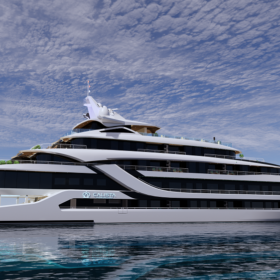
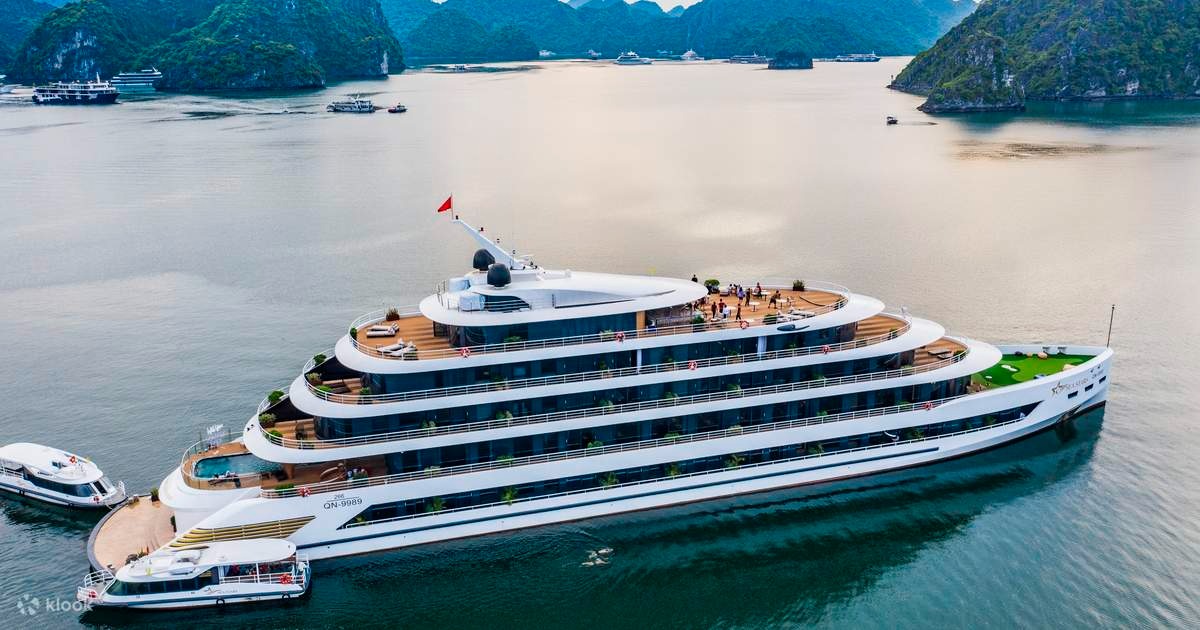
The vessel’s innovative design includes a two-level restaurant with panoramic glass walls, an infinity pool with integrated jacuzzi jets, and a rooftop observation lounge with telescopes for stargazing. Their proprietary “StellarTrack” app provides real-time positioning and information about passing landmarks.
Stellar distinguishes itself through technology-enhanced experiences, including drone photography services, underwater ROV exploration of marine life, and virtual reality presentations about Halong Bay’s geology and history. Their flexible itinerary concept allows guests to vote on daily activities and destinations.
This cruise attracts tech-savvy luxury travelers and photography enthusiasts seeking cutting-edge amenities alongside Halong Bay’s timeless beauty.
When to Visit Halong Bay: Seasonal Guide for 2026
Prime Season (October to April): Perfect Weather with Trade-offs
The prime season for Halong Bay offers the most reliable weather conditions with these characteristics:
- Temperature ranges from 18°C to 24°C (64°F to 75°F)
- Average of 5-7 hours of sunshine daily
- Humidity levels between 60-75% (compared to 85-95% in summer)
- Water visibility up to 4-5 meters for better snorkeling/swimming
The trade-off comes with higher visitor numbers, particularly during:
- Christmas/New Year (December 20-January 5)
- Lunar New Year/Tet (February 17-23, 2025)
- Easter holiday period (April 18-21, 2025)
During these peak periods, expect 100+ cruise ships operating daily and popular sites like Sung Sot Cave receiving over 2,000 visitors per day.
Shoulder Seasons (May & September): The Sweet Spot
The shoulder months offer excellent value with balanced conditions:
- May averages 25°C (77°F) with increasing humidity but fewer rain days than summer
- September averages 28°C (82°F) with decreasing rainfall after the summer monsoon
- Both months see approximately 50% fewer visitors than peak season
- Cruise prices average 15-25% lower than prime season rates
These months provide the optimal balance of good weather, reasonable pricing, and manageable crowd levels.
Summer Season (June to August): Hot, Occasional Storms, Best Deals
Summer brings challenging weather but significant advantages:
- Temperatures averaging 30-32°C (86-90°F) with high humidity (85-95%)
- Increased chance of afternoon thunderstorms and occasional typhoon risks
- 3-5 rain days per week, typically with short, intense afternoon showers
- The most vibrant emerald green water coloration due to increased plankton
The benefits include:
- 30-40% lower cruise prices compared to peak season
- 60% fewer visitors at major attractions
- More authentic experiences with higher percentages of Vietnamese travelers
- Lush vegetation on the karst formations at its most dramatic
For travelers comfortable with heat and flexible with occasional weather disruptions, summer offers exceptional value and less crowded experiences.
How to Get to Halong Bay in 2026: Transportation Guide
From Hanoi to Halong Bay: Multiple Options
The 170km journey from Hanoi to Halong Bay has become increasingly convenient with these options:
- Luxury Limousine Van Services
- Travel time: 2.5 hours (down from 4 hours prior to new expressway)
- Cost: $15-$25 per person one-way
- Features: 9-16 seat vehicles with reclining seats, WiFi, complimentary water
- Top providers: Luxury Transport Group, Wonder Travel, Viola Premier
- Pickup available directly from Hanoi hotels
- Public Bus Services
- Travel time: 3.5-4 hours (includes more stops)
- Cost: $10 per person one-way
- Departure point: My Dinh Bus Station (Hanoi)
- Arrival: Bai Chay Bus Station (requires additional local transportation to harbor)
- Private Car Transfer
- Travel time: 2.5 hours direct
- Cost: $80-$120 per car (seats 4 passengers)
- Benefits: Flexibility for stops, direct harbor drop-off
- Booking through major platforms including GetYourGuide and Klook
- Seaplane Service
- Travel time: 45 minutes flight time
- Cost: $175-$225 per person one-way
- Operator: Hai Au Aviation
- Departure: Noi Bai International Airport
- Arrival: Tuan Chau Marina
- Includes spectacular aerial views of the Red River Delta and Halong Bay
- Helicopter Service (New for 2025)
- Travel time: 40 minutes
- Cost: $500-$600 per person one-way
- Operator: Northern Vietnam Helicopter Company
- Limited to 6 passengers per flight
- Available for private charters only
For most travelers, the luxury limousine vans offer the best combination of comfort, convenience, and value. Many cruise operators include round-trip transfers in their packages, simplifying the logistics considerably.
From Other Vietnam Destinations
From Cat Ba Island to Halong Bay:
- Hydrofoil services from Cat Ba town to Tuan Chau Marina (45 minutes, $15)
- Ferry service for vehicles and passengers (60 minutes, $8)
Ninh Binh to Halong Bay:
- Direct shuttle services available (3.5 hours, $20)
- Combined tours available connecting these two natural wonders through specialized itineraries
Hai Phong to Halong Bay:
- Private car (1 hour, $40-50)
- Public bus (1.5 hours, $5)
Where to Stay Near Halong Bay: Accommodation Guide
Luxury Beachfront Resorts
Vinpearl Resort & Spa Ha Long (★★★★★)
- Location: Reu Island, connected to mainland by cable car
- Rooms: 384 rooms and villas (42-75m²)
- Facilities: 5 restaurants, 3 swimming pools, 18-hole golf course
- Highlights: Private beach spanning 1,200 meters, complimentary island cable car access
- Price range: $180-350 per night
- Best for: Families and luxury travelers seeking resort amenities
FLC Halong Bay Golf Club & Resort (★★★★★)
- Location: Ha Long ward, 15 minutes from cruise terminals
- Rooms: 226 rooms and 15 villas with private pools
- Facilities: 18-hole championship golf course, infinity pool overlooking the bay
- Highlights: Dramatic clifftop location with bay views, Japanese-inspired spa
- Price range: $140-280 per night
- Best for: Golf enthusiasts and couples seeking scenic views
Mid-Range Hotels in Halong City
Muong Thanh Luxury Quang Ninh Hotel (★★★★)
- Location: Hong Gai ward, 10 minutes from Bai Chay tourist area
- Rooms: 504 rooms (32-60m²)
- Facilities: 2 restaurants, rooftop pool, fitness center
- Highlights: Central location near Night Market, panoramic bay views from higher floors
- Price range: $70-120 per night
- Best for: Business travelers and tourists wanting city convenience
Royal Halong Hotel (★★★★)
- Location: Bai Chay ward, 5 minutes walk to the beach
- Rooms: 157 rooms with private balconies
- Facilities: Outdoor pool, spa, international restaurant
- Highlights: Walking distance to Halong Marine Plaza shopping center
- Price range: $60-100 per night
- Best for: Couples and families seeking good value
Budget-Friendly Options
Halong Boutique Hotel (★★★)
- Location: Bai Chay ward, 2km from tourist wharves
- Rooms: 45 rooms (22-28m²)
- Facilities: Café, motorbike rental, tour desk
- Highlights: Recently renovated rooms, helpful English-speaking staff
- Price range: $30-50 per night
- Best for: Budget-conscious independent travelers
Alex Hotel (★★★)
- Location: Hong Hai ward, near Halong Night Market
- Rooms: 40 rooms with city views
- Facilities: Breakfast restaurant, airport shuttle service
- Highlights: Clean, modern rooms at budget prices
- Price range: $25-40 per night
- Best for: Backpackers and budget travelers
Unique Accommodations
Legacy Yen Tu – MGallery (★★★★★)
- Location: Yen Tu Mountain area, 35km from Halong Bay
- Rooms: 133 rooms designed in 13th-century Vietnamese architectural style
- Facilities: Zen-inspired spa, meditation center, vegetarian restaurant
- Highlights: Located near sacred Buddhist pilgrimage site with mountain views
- Price range: $120-220 per night
- Best for: Cultural travelers seeking spiritual experiences
Paradise Suites Hotel (★★★★)
- Location: Tuan Chau Island, adjacent to the main cruise terminal
- Rooms: 154 suites (45-70m²)
- Facilities: Vietnamese-French fusion restaurant, spa, marina-view bar
- Highlights: Most convenient location for cruise departures, colonial design elements
- Price range: $80-150 per night
- Best for: Pre/post-cruise stays with maximum convenience
Most visitors to Halong Bay opt to spend their nights on cruise ships rather than at land-based accommodations. For those preferring a combined experience, many luxury cruise packages include one night on the bay and one night at a premium hotel.
13 Essential Tips for Sustainable Travel in Halong Bay
Halong Bay’s fragile ecosystem faces increasing pressure from tourism. Here’s how to minimize your environmental impact while maximizing your experience:
1. Choose Eco-Certified Cruise Operators
Look for cruises with legitimate environmental certifications like:
- Travelife Sustainability Certification
- Vietnam Tourism Certification Board eco-labels
- Green Sail Initiative membership
Leading operators like Bhaya Cruises have reduced single-use plastics by 90% and implemented water filtration systems that prevent 38,000+ plastic bottles from being used annually.
2. Pack Responsibly for Minimal Waste
Bring these essentials to reduce your environmental footprint:
- Reusable water bottle with filter capability
- Bamboo/metal utensils for snacks and street food
- Reef-safe sunscreen (without oxybenzone and octinoxate)
- Biodegradable soap and shampoo for overnight cruises
- Reusable shopping bag for souvenirs
3. Support Local Communities Ethically
When visiting floating villages:
- Purchase handicrafts directly from artisans (rather than from tourist shops)
- Respect photography guidelines—always ask before photographing residents
- Consider contributing to community education funds rather than giving money directly to children
- Learn a few Vietnamese phrases to engage respectfully with locals
4. Participate in Conservation Activities
Many cruises now offer optional conservation activities:
- Morning beach cleanups (typically 30-45 minutes)
- Coral restoration programs in Lan Ha Bay
- Citizen science projects monitoring water quality and marine life
- Educational workshops about marine conservation
5. Practice Responsible Marine Wildlife Observation
When kayaking or swimming:
- Maintain 5+ meters distance from marine life
- Never touch or attempt to feed wildlife
- Avoid loud noises that may disturb natural behaviors
- Report wildlife sightings to conservation authorities through apps like iNaturalist
6. Choose Human-Powered Exploration
Whenever possible, opt for:
- Kayaking rather than motorized boat tours
- Walking trails on islands instead of electric carts
- Traditional rowing boats (sampans) operated by local villagers
These options reduce carbon emissions while creating deeper connections with the environment.
7. Conserve Water on Cruise Ships
Halong Bay faces freshwater scarcity issues. Help by:
- Taking shorter showers (cruise ships import freshwater at significant environmental cost)
- Reusing towels for multiple days
- Reporting any leaking fixtures immediately
8. Respect Marine Protected Areas
Halong Bay contains several strictly protected zones where:
- Fishing is prohibited
- Swimming may be restricted
- Collecting shells or marine specimens is forbidden
Always follow guide instructions regarding these special protection zones.
9. Choose Sustainable Seafood Options
When dining:
- Ask about sustainable seafood certifications
- Avoid endangered species like grouper and certain shellfish
- Consider vegetarian options occasionally to reduce demand for seafood
10. Minimize Noise Pollution
Sound travels exceptionally well over water. Reduce noise impact by:
- Speaking quietly during early morning and evening hours
- Avoiding portable speakers in natural areas
- Respecting quiet hours on cruise ships (typically 10 PM to 6 AM)
11. Report Environmental Concerns
If you witness environmental violations:
- Document with photos when possible
- Report to cruise management or directly to Halong Bay Management Board
- Submit reports through the new Halong Bay Protection app (launched 2024)
12. Offset Your Carbon Footprint
Consider carbon offset programs specifically supporting:
- Mangrove restoration in northern Vietnam
- Renewable energy projects in Quang Ninh province
- Community-based conservation initiatives
13. Spread Awareness Responsibly on Social Media
When sharing your experience:
- Highlight sustainable practices you observed
- Tag responsible operators and conservation organizations
- Avoid geotagging sensitive or overcrowded locations
- Share authentic experiences rather than staged photos that may encourage harmful behaviors
By implementing these practices, you can enjoy the magnificent beauty of Halong Bay while helping preserve it for future generations.
FAQs About Halong Bay Vietnam
Is Halong Bay Worth Visiting in 2026?
Absolutely yes. Despite increasing visitor numbers, Halong Bay remains an extraordinary natural wonder with unparalleled scenic beauty. Recent developments have actually improved the experience through:
- Stricter environmental regulations enforced since late 2023
- Better distribution of visitors across the bay’s 1,969 islands
- New routes exploring less-visited areas like Bai Tu Long Bay
- Higher quality cruise options with improved sustainability practices
- Enhanced transportation infrastructure reducing travel time from Hanoi
For perspective, even at peak season, Halong Bay receives fewer daily visitors per square kilometer than other famous natural attractions like Plitvice Lakes (Croatia) or Zhangjiajie (China).
How Many Days Should I Spend in Halong Bay?
Minimum recommendation: 2 days/1 night
This allows time to visit major highlights including Sung Sot Cave, Ti Top Island, and a floating village while experiencing both sunset and sunrise on the bay.
Optimal experience: 3 days/2 nights
This extended itinerary enables exploration of less-visited areas like Bai Tu Long Bay or Lan Ha Bay, plus activities such as kayaking, cave exploration, and village visits without feeling rushed. The 3-day luxury cruise packages provide the most comprehensive experience.
Extended exploration: 4-5 days
Combining a 2-night cruise with additional time on Cat Ba Island or in Ninh Binh provides a deeper understanding of northern Vietnam’s karst landscape ecosystems.
Can I Visit Halong Bay Without a Cruise?
Yes, but with significant limitations. Day trips from Halong City are possible using:
- Tourist boats departing from Tuan Chau Marina (4-6 hours, $40-50)
- Private speedboat charters ($150-200 for up to 6 people)
- Organized day tours from Hanoi ($60-80 including transportation)
However, these options have major drawbacks:
- Limited access to key attractions due to time constraints
- No opportunity to experience morning/evening light
- Long travel time relative to time spent on the bay
- Crowded tourist routes with minimal flexibility
For a truly memorable experience, overnight cruises remain strongly recommended as they provide access to the bay when day tourists have departed.
What Should I Pack for Halong Bay?
Essential items for your Halong Bay adventure:
Comfort:
- Light, breathable clothing (temperatures range from 18-32°C depending on season)
- Windbreaker or light jacket (evenings can be cool, especially December-February)
- Comfortable walking shoes for cave explorations and island visits
- Wide-brimmed hat and sunglasses
- Swimwear (for swimming, kayaking, beach visits)
Activities:
- Waterproof bag/case for electronics during kayaking
- Insect repellent (especially important during summer months)
- Reef-safe sunscreen
- Small day backpack for excursions
For Cruises:
- Motion sickness medication if you’re prone to seasickness
- Power adapter (Vietnam uses Type A, C, and F outlets)
- Binoculars for wildlife watching and scenic viewing
- Formal/smart casual outfit for dinner on luxury cruises
Is Halong Bay Safe for Tourists?
Yes, Halong Bay is generally very safe for tourists. Crime rates are extremely low, and the 2023 tourist safety initiative has further enhanced security with:
- Increased safety inspections for all cruise vessels (now conducted monthly)
- Implementation of real-time vessel tracking systems
- Deployment of additional maritime police patrols
- Standardized safety briefings on all tourist boats
- New emergency response centers at Tuan Chau and Bai Chay
The primary safety considerations are environmental rather than crime-related:
- Weather conditions during typhoon season (July-August)
- Sun exposure (UV index regularly reaches 9-10 during summer)
- Basic water safety during swimming and kayaking activities
What’s the Difference Between Halong Bay, Bai Tu Long Bay, and Lan Ha Bay?
These three adjacent bays share the same geological formation but offer distinct experiences:
Halong Bay:
- The most famous and centrally located
- Features the most photographed limestone formations
- Houses major attractions like Sung Sot Cave and Ti Top Island
- Receives approximately 70% of all visitors to the region
- Has the highest concentration of cruise ships
Bai Tu Long Bay:
- Located northeast of Halong Bay
- Features equally spectacular karst formations with 60-70% fewer visitors
- Home to Vung Vieng and Cong Dam floating villages
- Known for cleaner waters and more pristine beaches
- Requires specific cruise itineraries as not all operators have permits
Lan Ha Bay:
- Located south of Halong Bay, adjacent to Cat Ba Island
- Features 300+ karst islands and numerous white-sand beaches
- Popular for kayaking and swimming due to calmer waters
- Hosts the Cai Beo floating village, one of the oldest in Vietnam
- Accessible from both Halong Bay cruises and Cat Ba Island
For first-time visitors, combined itineraries covering multiple bays provide the most comprehensive experience.
Are There Visa Requirements for Vietnam in 2026?
Yes, most visitors require a visa for Vietnam, though requirements vary by nationality:
E-Visa Program (Expanded in 2024):
- Available to citizens of 80+ countries
- Valid for single or multiple entries
- Duration options: 30 days or 90 days
- Cost: $25 (30-day) or $50 (90-day)
- Processing time: 3-5 business days
- Application through official government portal: https://evisa.xuatnhapcanh.gov.vn
Visa Exemptions:
- ASEAN nations: 30-day visa-free stay
- Select European countries (UK, France, Germany, Spain, Italy): 45-day visa-free stay under pilot program through December 2025
- South Korea, Japan: 30-day visa-free stay
Important 2025 Updates:
- Biometric data collection now required at international entry points
- Proof of accommodation for entire stay necessary during immigration
- Travel insurance with minimum $10,000 coverage recommended
Always check the latest requirements through official Vietnam government sources or your country’s embassy website before traveling.
Conclusion: Why Halong Bay Should Top Your 2026 Travel List
Halong Bay represents the perfect convergence of natural wonder, cultural heritage, and accessible luxury. The 2025 travel season offers several compelling advantages for visitors:
- Improved Infrastructure: Shortened travel times from Hanoi via new expressways and expanded transportation options
- Enhanced Cruise Experiences: New vessels with state-of-the-art amenities and innovative itineraries
- Balanced Tourism Management: Better distribution of visitors across the three bay areas
- Stronger Sustainability Initiatives: Leading cruise operators implementing meaningful conservation programs
- Broader Cultural Connections: Expanded opportunities to engage with local communities and traditions
Whether you’re drawn by the otherworldly landscape of limestone karsts, the allure of luxury cruising experiences, the rich biodiversity, or the fascinating cultural heritage, Halong Bay delivers an experience that transcends typical tourist destinations.
As Vietnam continues to develop its tourism infrastructure while implementing stronger conservation measures, 2025 represents a sweet spot for experiencing this natural wonder—accessible yet still authentic, popular yet still capable of offering moments of serene isolation.
Begin planning your journey to this UNESCO World Heritage marvel, where dragons once descended to protect the land, and where modern travelers can still discover the magic that has captivated visitors for generations.
Contact
- Hotline | WhatsApp: +84.978.358.422
- Phone | WhatsApp: +84.962.261.687
- Email: halongbayluxcruises@gmail.com
- vietnammarveltravel@gmail.com
Top Halong Bay Cruise Review on TripAdvisor