




Ha Long Bay DIY Travel Guide: 15 Essential Tips to Plan Your Perfect Trip
Planning a Ha Long Bay DIY travel experience is absolutely achievable — but it works best when you know exactly what you can control and what genuinely needs professional handling. Most travelers arrive imagining they can simply hop on any boat at the dock and spend the day exploring freely among the limestone islands. The reality is more structured, and understanding that structure early is what separates a smooth, memorable trip from a stressful, rushed one.
This guide walks you through every major decision you will face — from transport out of Hanoi, to choosing the right bay, picking the ideal cruise style, estimating honest costs, and building a practical itinerary that fits your pace. Whether you are a solo backpacker, a couple planning a romantic escape, or a family looking for a safe and organized adventure, this is the most detailed, up-to-date Ha Long Bay planning resource you will find.
1. Understand What “DIY Ha Long Bay Travel” Actually Means
Before booking anything, it helps to reset expectations about what independent travel on Ha Long Bay looks like in practice.
Ha Long Bay is a UNESCO World Heritage Site — first inscribed in 1994 for its extraordinary natural beauty and further recognized in 2000 for its outstanding geological and geomorphological values. The bay spans approximately 1,553 square kilometers in Quang Ninh Province, northern Vietnam, with a protected core zone of around 434 square kilometers. Because of this protected status, independent kayaking or boating without a licensed operator is not permitted in most areas. Sightseeing routes, cave access, and anchorage zones are all regulated and assigned to licensed cruise vessels.
What this means practically is that a true DIY trip to Ha Long Bay is actually a hybrid experience. You independently control everything on land — your transport from Hanoi, your arrival timing, your accommodation before or after the cruise, your itinerary length, and your budget ceiling. But once you reach the bay, you join a licensed cruise that handles the water experience. This is not a limitation. It is actually what makes Ha Long Bay so accessible and safe for first-time visitors, as the cruise handles navigation, safety equipment, regulated route access, guided activities, and onboard meals.
The smartest Ha Long Bay DIY travelers recognize this structure early and plan around it — booking transport that aligns with cruise departure times, choosing their bay area before selecting a boat, and deciding their cruise style based on what genuinely matters to them rather than what the cheapest last-minute option turns out to be.

2. Choose the Right Bay: Ha Long, Lan Ha, or Bai Tu Long?
One of the most common planning mistakes is treating Ha Long Bay as a single destination when in fact there are three distinct bay areas, each with a different character, crowd level, and activity profile.
Ha Long Bay
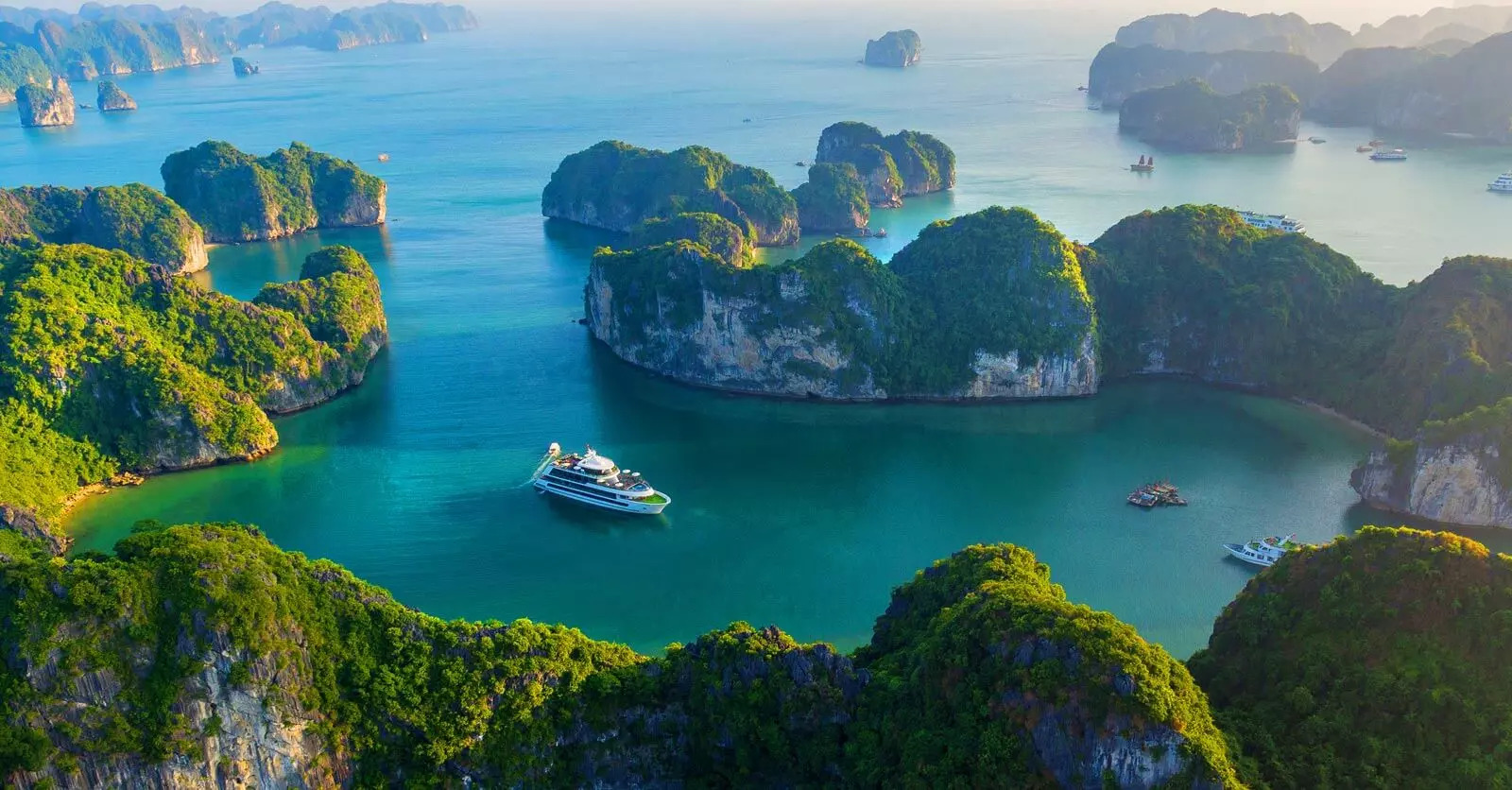
Ha Long Bay is the most recognized name globally, and for good reason. The classic route through the UNESCO core zone features the most dramatic concentration of limestone karsts — over 1,600 islets — along with major cave systems, iconic viewpoints, and well-established sightseeing routes.
Popular stops on Ha Long Bay cruises include:
- Sung Sot Cave (Surprise Cave): One of the largest and most impressive cave systems in the bay, with chambers reaching approximately 10,000 square meters and stalactite formations that have taken millions of years to develop.
- Titop Island: A small island with a beach and a staircase climb to a panoramic viewpoint over the surrounding islands.
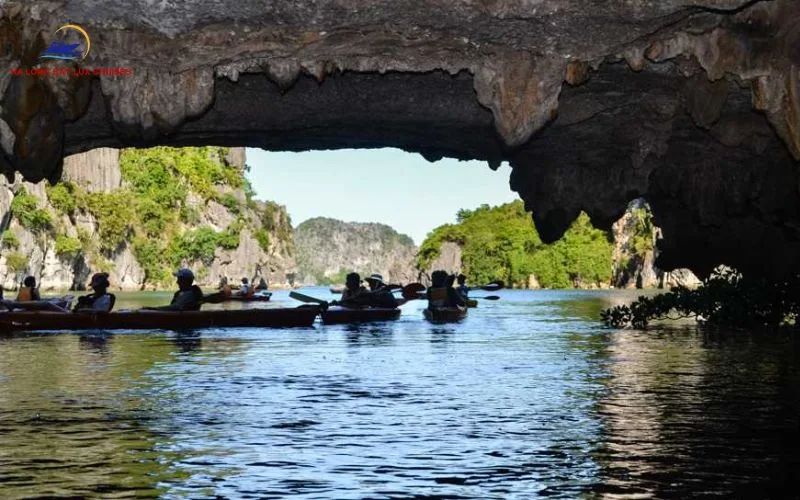
- Luon Cave: A low-arched cave passage navigated by kayak or bamboo boat, opening into a hidden lagoon enclosed by limestone walls.
- Thien Cung Cave: A vividly decorated cave with large stalagmites and colorful lighting installations near the core sightseeing area.
Ha Long Bay is the best choice for first-time visitors who want the signature scenery, the classic overnight experience, and access to the most well-known geological formations.

Lan Ha Bay
Lan Ha Bay sits adjacent to Ha Long Bay, separated by Cat Ba Island, which is the largest island in the entire Ha Long Bay system at approximately 354 square kilometers.
What makes Lan Ha Bay appealing for DIY travelers is that it tends to feel less congested than the central Ha Long Bay route, particularly on overnight cruise itineraries. The limestone scenery is comparable in beauty, but the atmosphere is calmer, with better conditions for kayaking through narrow lagoons, floating villages, and hidden beaches.
Key experiences in Lan Ha Bay include:
- Dark and Bright Cave: A double-arched cave system best explored by kayak, where you paddle through a dark passage before emerging into a bright enclosed lagoon.
- Tra Bau floating fishing village: A traditional village community on the water that some cruise routes pass through or stop at.
- Ba Trai Dao beaches: Three small sandy beaches accessible in favorable tidal conditions and during drier months, surrounded by vertical limestone cliffs.
- Viet Hai Village cycling: On selected 3-day cruise itineraries, passengers disembark and cycle through a small, car-free village on Cat Ba Island, surrounded by jungle-covered hills.
Lan Ha Bay is an ideal choice for travelers who want a premium overnight cruise with quieter waters, better kayaking, and a slightly more exclusive feel. Many of the best 5-star and 6-star cruises now operate primarily on Lan Ha Bay routes.
Bai Tu Long Bay
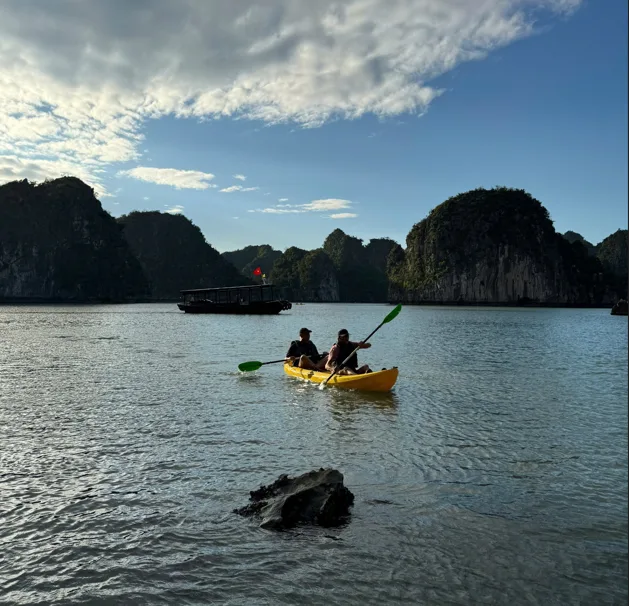
Bai Tu Long Bay extends northeast of Ha Long Bay and is the least commercially developed of the three bay areas. It shares the same geological formation as Ha Long Bay — towering karst islands rising from calm green water — but receives significantly fewer cruise vessels, which creates a more peaceful atmosphere with less boat traffic during morning and afternoon activities.
The trade-off is that cruise options for Bai Tu Long Bay are fewer and less varied, itinerary flexibility can be more limited, and some sightseeing infrastructure such as developed cave systems and island viewpoints is less accessible than in Ha Long or Lan Ha Bay.
Bai Tu Long Bay suits travelers who prioritize tranquility, photography, and a slower pace over a high volume of curated activities.
3. Decide How Many Days You Actually Need
Trip length is one of the biggest decisions in any Ha Long Bay DIY plan, and the right answer depends on your travel pace, budget, and what you want to take away from the experience.
Ha Long Bay Day Trip
A day trip is the lowest-commitment option and works best for travelers with a tight Vietnam itinerary who still want to see the bay. Most Hanoi-based day cruises operate on a schedule that involves a 7:00 AM to 8:00 AM Hanoi departure, port arrival around mid-morning, approximately 4 to 6 hours of cruising time on the bay, and a return to Hanoi around 8:00 PM to 9:30 PM.
Within those hours, a day cruise typically includes one cave visit, a kayaking or bamboo boat stop, lunch onboard, and some scenic cruising between karst islands. The scenery is real and the experience is genuine, but the round-trip transfer time from Hanoi is long relative to the actual bay time.
A day trip is best for travelers with one free day in northern Vietnam and not ideal for anyone who wants to experience sunrise on the water, evening atmosphere, or the deeper kayaking routes that are only reachable on overnight itineraries.

2-Day, 1-Night Cruise
A 2-day Ha Long Bay cruise or 2-day Lan Ha Bay cruise is widely considered the most practical and rewarding choice for first-time visitors. It balances bay time, activity variety, comfort, and budget in a way that no shorter trip can match.
A standard 2-day overnight cruise typically follows this schedule:
Day1:
- Morning departure from Hanoi by limousine van or cruise transfer
- Arrive at Tuan Chau Marina or departure port around 11:30 AM to 12:00 PM
- Check-in, welcome drink, and safety briefing
- Lunch served while cruising into the bay
- Cave visit in the early afternoon
- Kayaking through limestone passages or bamboo boat in enclosed lagoon
- Swimming stop at a secluded beach or cove, depending on route and season
- Return to the boat for sunset drinks on the sundeck
- Multi-course dinner prepared from fresh seafood and Vietnamese dishes
- Optional squid fishing with lantern light from the deck
Day 2:
- Early morning sunrise from the sundeck or cabin balcony
- Tai Chi session on the top deck before breakfast
- Light breakfast served while cruising
- Final cave visit or kayaking activity
- Brunch before check-out
- Return to port around 11:30 AM to 12:00 PM
- Afternoon drive back to Hanoi, arriving around 3:30 PM to 4:30 PM
This 2-day structure provides genuine immersion — you wake up in the middle of the bay with karst islands on all sides, an experience that no day trip can replicate.
3-Day, 2-Night Cruise
A 3-day Ha Long Bay cruise gives you a full extra day on the water, which opens up routes that are simply too far from port for a 1-night itinerary to reach. On a 3-day cruise, the middle day is usually the highlight: cruising to quieter anchorage zones, kayaking in less-visited lagoons, cycling through Viet Hai Village on Cat Ba Island, swimming at a beach farther from the main port traffic, or simply relaxing on the sundeck as the boat moves through scenery with no time pressure.
For photographers, wildlife enthusiasts, honeymooners, and anyone who finds rushed travel exhausting, a 3-day cruise is a significantly better experience than a 2-day one. The extra night on the water also means a second sunset, a second sunrise, and a slower morning before departure.
4. Know the Best Time of Year to Visit in 2026
Ha Long Bay can be visited throughout the year, but the conditions you experience vary substantially by season, and planning around the weather calendar is one of the most important aspects of a successful Ha Long Bay DIY trip.
October to December — Peak Season for Weather
This is broadly the best period for Ha Long Bay travel. October and November bring lower humidity, clearer skies, and water temperatures between 24°C and 27°C — warm enough for swimming and comfortable for all deck activities. December is slightly cooler, with temperatures dropping to around 17°C to 22°C in the bay area, but visibility is typically excellent and rain is minimal.
This is the most popular booking period, and cabin availability on 5-star and 6-star cruises can run short several weeks in advance, particularly from late October through mid-December.
March to May — Shoulder Season with Excellent Conditions
Spring is another strong window for Ha Long Bay travel. The air is warming up after the cool winter period, fog and mist are less persistent than in January and February, and the bay takes on a soft, clear quality that works well for photography. Water temperatures in April and May are around 24°C to 28°C, making this one of the better seasons for swimming and kayaking.
March and April also tend to see slightly lower pricing than the October to December peak, making this a good option for budget-conscious travelers who still want good weather.
June to August — Hot Season
Summer is the warmest period in Ha Long Bay, with air temperatures regularly reaching 30°C to 34°C and high humidity. The water is warm — ideal for swimming — and the scenery is lush and deeply green. However, this period overlaps with typhoon season in the Gulf of Tonkin. While typhoon landfalls directly on Ha Long Bay are not extremely frequent, strong tropical storms can disrupt cruise schedules, close bay access temporarily, or lead to cancellations.
If you travel in summer, build flexibility into your schedule and check your cruise operator’s weather rescheduling policy before booking.
September — Transition Month
September sits at the tail end of typhoon season and can bring heavy rainfall and unsettled weather. It is generally one of the lower-demand months. However, late September often starts to clear as the season transitions, and some travelers find it a quiet, affordable option if they are comfortable with some weather uncertainty.
January to February — Cool, Atmospheric, and Popular for Lunar New Year
January and February bring cooler temperatures, typically 16°C to 20°C in the bay, along with misty mornings that create an ethereal atmosphere over the limestone islands. Swimming is not comfortable in this period, but the scenery — especially on misty mornings when the karst peaks emerge from low cloud — is some of the most atmospheric you will find all year.
Lunar New Year (Tết) in 2026 falls on January 29. In the weeks around Tết, domestic travel demand spikes significantly, some services operate on reduced schedules, and certain cruise operators may close for the holiday period. If you plan to visit in late January or early February 2026, book well in advance and confirm cruise operation dates directly.
5. Plan Your Transport from Hanoi to Ha Long Bay
Getting from Hanoi to Ha Long Bay is one of the core logistics decisions in any DIY plan, and your choice of transport affects your arrival timing, budget, and overall stress level.
Shared Limousine Van
The shared limousine van is the most popular transport option for independent travelers and offers a strong balance of cost, comfort, and convenience. Most services offer door-to-door pickup from Hanoi Old Quarter hotels and drop-off at Tuan Chau Marina or other cruise departure points.
- Journey time: Approximately 2.5 to 3.5 hours depending on traffic and pickup route
- Estimated cost in 2026: Around 300,000 to 600,000 VND per person each way
- Typical capacity: 9 to 12 seats in a minivan-style vehicle
- Best for: Solo travelers, couples, and small groups who want affordable and reasonably comfortable transport
One important note: shared van pickup can involve multiple hotel stops before leaving Hanoi, which can add 30 to 45 minutes to the departure. If your cruise has a strict check-in deadline, factor this in.
Private Car Transfer
A private car is significantly more expensive but gives you complete control over departure time and direct routing without additional pickup stops.
- Journey time: Approximately 2.5 to 3.5 hours
- Estimated cost in 2026: Around 2,200,000 to 3,500,000 VND per vehicle one way, depending on car class and pickup location
- Best for: Families with children, travelers with large luggage, airport connections, early morning departures, and anyone who values a smoother experience
Private transfers are also strongly recommended if you are booking a 6-star cruise or honeymoon package where the quality of the door-to-door experience matters throughout the trip.
Public Bus
Public buses between Hanoi and Ha Long City operate regularly from Hanoi’s My Dinh Bus Station and are the most budget-friendly overland option.
- Journey time: Approximately 3.5 to 5 hours including stops
- Estimated cost in 2026: Around 150,000 to 300,000 VND per person each way
- Best for: Budget travelers who plan to stay overnight in Ha Long City or Bai Chay before joining a cruise the next morning
The downside is that public buses drop passengers in Ha Long City or Bai Chay, not directly at the cruise marina. If your cruise departs from Tuan Chau, you will need an additional taxi or rideshare to reach the port. Tuan Chau Marina is approximately 18 to 22 kilometers from central Ha Long City, so the extra step adds time and cost.
Cruise Transfer Service
Many 5-star and 6-star cruise operators offer included or add-on round-trip limousine transfers from Hanoi. This is often the most seamless option because the cruise company coordinates departure time, ensures you arrive at the correct port with the right check-in window, and handles the return journey timing at the end of your cruise.
- Best for: Travelers booking overnight or luxury cruises who want a smooth end-to-end experience
- Typically included or available as add-on: Check at time of booking
6. Know Your Departure Port Before You Arrive
Ha Long Bay has multiple cruise departure points, and arriving at the wrong one — or not knowing which port your cruise uses — is one of the most common and avoidable mistakes in Ha Long Bay DIY travel planning.
Tuan Chau Marina
Tuan Chau Marina is the primary departure point for the majority of overnight cruises operating on both Ha Long Bay and Lan Ha Bay routes. It is a large, organized marina facility located on Tuan Chau Island, which is connected to the mainland by a causeway. The marina has parking facilities, waiting areas, cruise check-in offices, restaurants, and luggage storage.
Most premium 5-star and 6-star cruises use Tuan Chau as their home port, and if you are booking a quality overnight cruise, Tuan Chau is where you will most likely check in.
Ha Long International Cruise Port
Located near Bai Chay in Ha Long City, this port primarily serves day cruise operations and some overnight vessels. It is more central to Ha Long City’s hotels and restaurants, making it convenient if you are staying in Bai Chay the night before your cruise.
Got Pier and Cat Ba Area Ports
Some Lan Ha Bay cruises depart from the Cat Ba Island side rather than from Tuan Chau, particularly for itineraries that begin on Cat Ba and cruise outward into Lan Ha Bay. If your cruise departs from the Cat Ba side, you will need to reach Cat Ba Island first, which involves a separate ferry journey from Ha Long City (Ben Beo) or Hai Phong.
Always confirm your exact departure port and check-in time with your cruise operator before your travel date.
7. Compare the Main Cruise Categories Available
Understanding the difference between cruise categories helps you make a smarter booking decision and avoid the disappointment of paying for something that does not match your expectations.
Standard Cruise (3-Star or Below)
Standard cruises operate on budget price points, typically with basic cabin amenities, shared or less private bathroom facilities, smaller or older vessels, and more limited food quality and service. They tend to operate larger group sizes and follow busier, more crowded sightseeing routes.
Standard cruises can be found for as low as 1,500,000 to 2,500,000 VND per person per night but often exclude transfer, drinks, and certain entrance fees.
4-Star Cruise
Mid-range 4-star cruises occupy the space between budget and premium. Cabins are typically more comfortable with ensuite bathrooms and air conditioning. Meals are of better quality, and the itinerary is usually more organized. This is a reasonable option for budget-conscious travelers who still want a degree of comfort.
5-Star Cruise
5-star cruises are the most popular category for first-time international visitors and offer a strong combination of comfort, quality, and value. Cabin sizes typically range from approximately 25 to 40 square meters, with private ensuite bathrooms, air conditioning, and either a window or a balcony depending on the cabin tier.
Meals on 5-star cruises are typically multi-course and based around fresh Vietnamese and seafood dishes. Activities are organized and guided, kayaking equipment is well-maintained, and safety standards are noticeably higher than on budget vessels.
If you are planning a first trip to Ha Long Bay and want an experience that feels genuinely comfortable without paying top-of-market luxury rates, a 2-day Ha Long Bay and Lan Ha Bay 5-star cruise is the most logical starting point for your research. The combination of overnight comfort, curated activities, and organized bay access makes this format the benchmark for quality Ha Long Bay overnight experiences.
6-Star Cruise
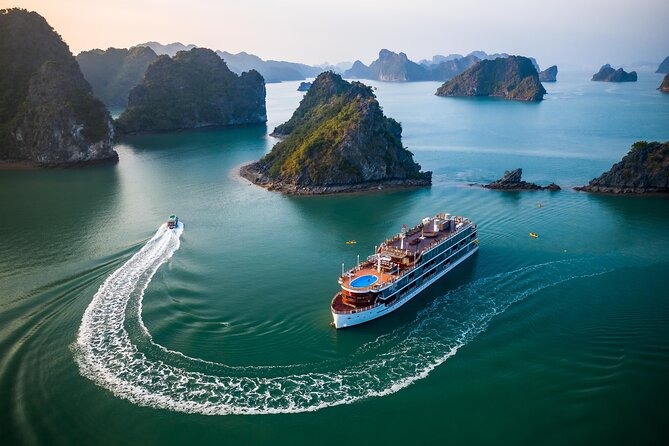
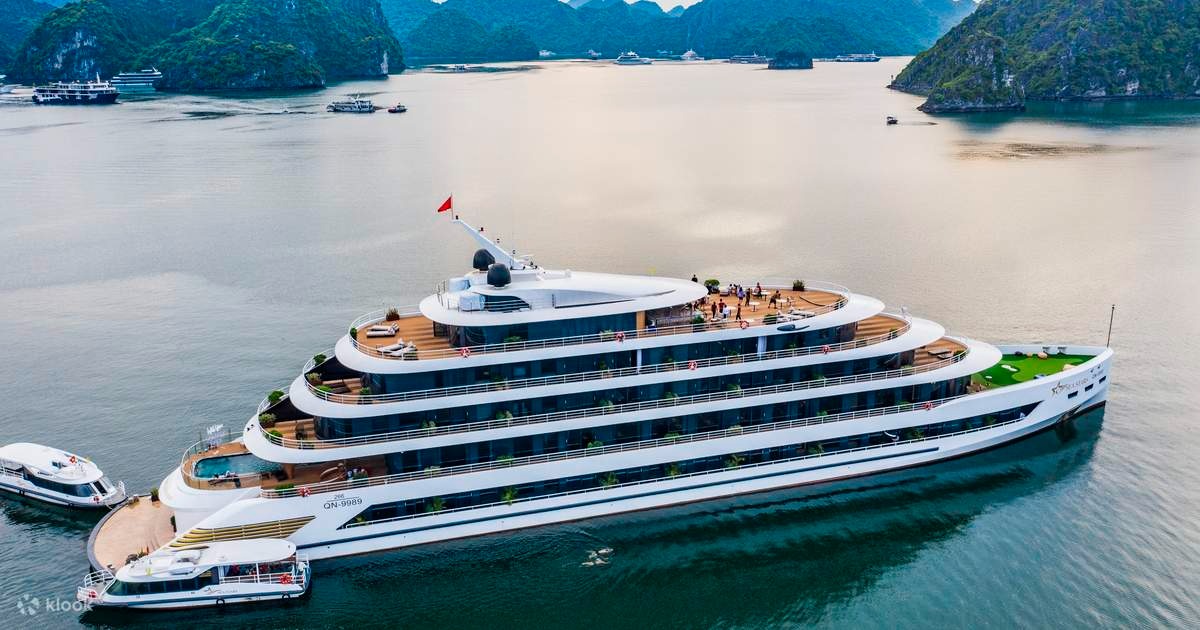
6-star cruises represent the premium tier of Ha Long Bay accommodation on water. These vessels are larger, more architecturally impressive, and designed with high-end hospitality in mind. Cabin sizes on 6-star cruises can range from 40 square meters for a deluxe cabin up to more than 70 square meters for larger suite configurations, often featuring private balconies with direct bay views, double bathtubs, premium bedding, and significant interior space.
Dining on a 6-star cruise is closer to a fine-dining restaurant experience, with curated menus, plated presentation, wine pairings, and a higher level of service from trained hospitality staff. Onboard facilities may include a swimming pool, full spa, yoga deck, cocktail bar with panoramic views, and lounge areas with large bay-facing windows.
The experience is genuinely different from a 5-star cruise in ways that matter most to honeymooners, anniversary travelers, luxury-focused visitors, and anyone who finds the details of comfort and service central to their enjoyment of a trip.
8. Get a Realistic Picture of Ha Long Bay Costs in 2026
Budgeting accurately for a Ha Long Bay trip requires looking beyond the headline cruise price and accounting for every component of your journey.
Transport Costs (Hanoi to Ha Long Bay Return)
| Transport Type | Estimated Cost Per Person (VND)
|
|---|---|
| Public bus (one way) | 150,000 – 300,000 |
| Shared limousine van (one way) | 300,000 – 600,000 |
| Private car (per vehicle, one way) | 2,200,000 – 3,500,000 |
| Cruise-included transfer | Varies; often 400,000 – 800,000 add-on |
Cruise Costs
| Cruise Category | Estimated Cost Per Person
|
|---|---|
| Budget day cruise | 800,000 – 1,500,000 VND |
| Mid-range day cruise | 1,500,000 – 2,500,000 VND |
| 2-day, 1-night 4-star cruise | 2,500,000 – 4,000,000 VND |
| 2-day, 1-night 5-star cruise | Approximately 100 – 200 USD |
| 3-day, 2-night 5-star cruise | Approximately 180 – 320 USD |
| 2-day, 1-night 6-star cruise | Approximately 250 – 400 USD |
| 3-day, 2-night 6-star cruise | Approximately 350 – 600+ USD |
Note: Prices are estimates based on typical 2025 market rates adjusted for 2026 expectations and will vary by operator, season, cabin type, and inclusions.
Additional Costs to Check Before Booking
Before committing to any cruise, confirm whether the following are included or will be charged separately:
- Ha Long Bay entrance and environment fees — Often bundled into quality cruise packages but sometimes listed separately
- Kayaking or bamboo boat activity fee
- Onboard drinks (alcoholic and soft drinks are almost always excluded)
- Single supplement — Many cruises charge an additional 30% to 50% supplement for solo travelers occupying a double cabin
- Hanoi round-trip transfer
- Holiday surcharge — Many operators apply a surcharge for travel on Vietnamese public holidays, Christmas, and New Year
- Spa or wellness services
- Gratuities — Tipping is not mandatory in Vietnam but is customary and appreciated on quality cruises; typically 50,000 to 100,000 VND per crew member per day is a reasonable guide
9. What a Trustworthy Ha Long Bay Cruise Must Include
Not all cruise packages are equally transparent, and knowing what to verify before booking helps you avoid surprises at check-in or during the cruise itself.
Clear, Written Itinerary
A trustworthy operator will provide a clear day-by-day itinerary specifying: which bay area is visited, which sightseeing stops are included, what activities are offered, approximate timing for each segment, meal schedule, and return time. If the itinerary is vague — listing only “caves and kayaking” with no specific locations — ask for more detail before paying.
Verified Cabin Specifications
For overnight cruises, always confirm:
- Cabin size in square meters
- Bed configuration (double, twin, or convertible)
- Window type — porthole, fixed window, floor-to-ceiling window, or private balcony
- Bathroom size and type — shower vs. bathtub, indoor vs. outdoor shower on suite
- Air conditioning
- Deck level and position — cabins near the engine room at the stern can be noisier; lower deck cabins may have restricted views
Licensed Operation and Safety Standards
Your cruise vessel should be licensed by Vietnam’s local maritime authority, operate with trained safety staff, carry appropriate life jackets and emergency equipment, and follow approved bay routes. You can verify basic licensing through the cruise company’s registration documentation, which reputable operators will provide on request.
Meal Plan and Dietary Accommodation
Most overnight cruises include lunch on day 1, dinner, breakfast, and brunch on day 2. On a 3-day cruise, an additional dinner and breakfast are included for the second night. Confirm in advance if you require vegetarian, vegan, halal, gluten-free, or seafood-allergy meals — quality operators can accommodate these with advance notice.
Activities That Are Actually Guided
Kayaking, cave visits, swimming, and excursions should be led by trained guides, not simply offered as self-service options without safety briefing. On premium cruises, guides provide background on the geological formations, historical context for fishing villages, and clear instructions during water activities.
10. The Most Valuable Activities Available on Ha Long Bay Cruises
Understanding what activities are available — and which ones are genuinely worth prioritizing — helps you choose the right cruise format and get the most from your time on the water.
Kayaking
Kayaking is consistently rated as one of the best activities in both Ha Long Bay and Lan Ha Bay. Paddling through narrow karst passages, into enclosed lagoons, and around the base of towering limestone cliffs gives a perspective that no boat deck can replicate. The water is calm in most kayaking areas, making it accessible for beginners, and guided routes navigate through passages where motorized boats cannot enter.
Lan Ha Bay in particular has some of the most rewarding kayaking in the entire region, with multiple cave-through passages and hidden lagoons. If kayaking is a priority for you, a 3-day 5-star Lan Ha Bay and Ha Long Bay cruise gives you more time and access to more varied kayaking routes than a shorter itinerary allows.
Cave Exploration
Ha Long Bay’s cave systems are among the most impressive in Southeast Asia. Sung Sot Cave alone has two main chambers, the larger of which covers approximately 10,000 square meters. Guided cave visits typically last 30 to 45 minutes and include explanation of the stalactite and stalagmite formations, many of which were formed over hundreds of millions of years.
Sunset Watching from the Sundeck
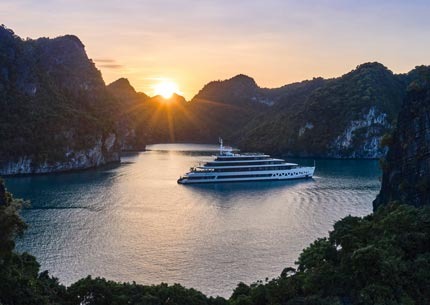
The evening atmosphere on Ha Long Bay or Lan Ha Bay is one of the experiences that makes an overnight cruise so distinctive compared to a day trip. As the sun drops behind the limestone karsts, the sky shifts through orange, pink, and deep red — and the boat often serves cocktails or cold drinks on the sundeck during this window. This is simply not something a day tripper can access.
Tai Chi at Sunrise
Most overnight cruises offer an early-morning Tai Chi session on the top deck. Even if you have never practiced Tai Chi before, spending 30 minutes doing slow, deliberate movements on an open deck surrounded by karst islands in early morning light is a genuinely unique experience.
Squid Fishing at Night
Evening squid fishing sessions are typically offered after dinner, where passengers lower bamboo rods with baited lines and small lights into the dark water off the stern of the boat. It is a relaxed, social activity with no skill required — and the occasional catch can sometimes be taken to the kitchen for preparation.
Cooking Demonstrations
Many 5-star and higher-category cruises offer a Vietnamese cooking demonstration, usually involving spring roll preparation, fresh herb identification, or a dish from the cruise’s menu. These sessions are a good opportunity for travelers interested in Vietnamese cuisine to learn basic preparation techniques from the onboard chef.
11. Build Your Ha Long Bay Itinerary: Three Ready-to-Use Plans
Plan A: Ha Long Bay Day Trip from Hanoi
Best for: Travelers with one free day and limited time in Vietnam.
7:00 AM — Pickup from Hanoi Old Quarter hotel by limousine van
10:30 AM — Arrive at cruise port; board day cruise and welcome drink
11:00 AM — Cruise begins into Ha Long Bay; lunch served
1:00 PM — Visit Sung Sot Cave or Luon Cave depending on route
2:30 PM — Kayaking or bamboo boat activity
4:00 PM — Return to port
4:30 PM — Depart Ha Long Bay by limousine van
8:00 PM — Arrive back in Hanoi
Plan B: 2-Day, 1-Night Lan Ha Bay 5-Star Cruise
Best for: First-time visitors who want the overnight bay experience with comfort and activity variety.
Day 1
8:00 AM — Depart Hanoi by cruise transfer or shared limousine
11:30 AM — Arrive Tuan Chau Marina; check in, welcome briefing
12:00 PM — Cruise departs; lunch while sailing into Lan Ha Bay
2:30 PM — Kayaking through karst passages and limestone lagoon
4:30 PM — Swimming stop at Ba Trai Dao or similar beach area (seasonal)
5:30 PM — Sunset happy hour on the sundeck
7:00 PM — Multi-course seafood dinner
9:00 PM — Optional squid fishing from the deck
Day 2
6:00 AM — Sunrise from the cabin balcony or sundeck
6:30 AM — Tai Chi session on the top deck
7:30 AM — Breakfast served
8:30 AM — Dark and Bright Cave kayaking excursion
10:30 AM — Brunch onboard; luggage check-out
11:30 AM — Return to Tuan Chau Marina
12:00 PM — Transfer departs for Hanoi
3:30 PM — Arrive Hanoi
Plan C: 3-Day, 2-Night 6-Star Cruise — Ha Long and Lan Ha Bay
Best for: Luxury travelers, honeymooners, and anyone who wants an immersive and unhurried bay experience.
D1: Travel from Hanoi; board the cruise at Tuan Chau; afternoon cave visit and kayaking; sunset dinner onboard
Day 2: Full day exploring quieter anchorage zones; morning kayaking in an enclosed lagoon; cycling through Viet Hai Village (on selected routes); afternoon swimming; evening cocktail hour and fine dining
Day 3: Sunrise, morning Tai Chi, gentle kayaking or final cave excursion; brunch; return to port; afternoon drive to Hanoi
For travelers seeking the complete premium overnight experience across multiple days, a Ha Long Bay 6-star cruise over 3 days brings together the finest onboard facilities, curated fine dining, and access to the most scenic and secluded areas of both bays — everything planned so that no day feels rushed.
12. What to Pack for a Ha Long Bay DIY Trip
Packing for Ha Long Bay is slightly different from standard Vietnam travel packing because you need to account for both onboard cruise life and any land-based days before or after.
Absolute Essentials
- Valid passport — Required at cruise check-in; photocopies are not accepted
- Confirmed cruise booking confirmation — Digital or printed
- Cash in Vietnamese Dong — Drinks, spa services, gratuities, and some add-on activities are paid in cash onboard; ATMs at Tuan Chau Marina exist but can be unreliable
Clothing and Comfort
- Swimwear — 2 sets, especially for 3-day cruises
- Light, breathable clothing — Linen or cotton shirts and shorts work well for most of the year
- Light jacket or fleece — Essential from November through February when bay temperatures can drop to 15°C to 18°C on the water at night
- Rain jacket or packable poncho — Useful from May to September
- Comfortable sandals or water shoes — For caves, kayaking, and deck use
- Casual dinner clothes — 6-star cruise dining rooms are elegant; while formal dress is not required, smart casual is appropriate
Health and Practicalities
- Sunscreen SPF 50+ — UV intensity on the bay is significant, especially on the sundeck from March to September
- Sunglasses with UV protection
- Insect repellent — Especially relevant at dusk on 3-day cruises that anchor in quieter areas
- Motion sickness tablets — Some travelers experience mild seasickness even in calm bay conditions; bring medication if you are prone to this
- Reusable water bottle — Ha Long Bay is a protected environment and reducing single-use plastic is important
- Waterproof phone pouch — Essential for kayaking
- Power bank — Cabin charging outlets are available, but a power bank is useful during activities
- Small, lightweight overnight bag — For overnight cruises, a soft-sided bag is easier to store in the cabin than a rigid suitcase
What Not to Bring
- Heavy suitcases for 2-day cruises — cabin storage is functional but not large
- Drone (without pre-approved permits) — Drone use over Ha Long Bay requires authorization and is actively restricted in the UNESCO core zone
- Single-use plastic bags — Some cruise operators now request that passengers avoid bringing these onboard in line with the bay’s environmental protection policies
13. Navigate the Booking Process with Confidence
Booking a Ha Long Bay cruise as an independent traveler involves a few decisions that are worth thinking through carefully rather than rushing.
How Far in Advance Should You Book?
- Low season (June to September, January to February): 1 to 2 weeks in advance is usually sufficient for most cabin types
- Shoulder season (March to May, October): 2 to 4 weeks in advance is recommended
- Peak season (November to December, Vietnamese public holidays): Book 4 to 8 weeks in advance, especially for balcony cabins, suites, and 6-star vessels
- Lunar New Year 2026 (around January 29): If traveling in the two weeks surrounding this date, book as early as possible — demand is extremely high and quality cruises fill quickly
What to Confirm at Booking
Before paying, confirm in writing:
- Exact cabin type, location, and bed configuration
- Full inclusions and exclusions list
- Departure port and check-in time
- Transfer arrangements and pickup details
- Weather rescheduling or cancellation policy
- Payment terms and refund schedule
- Holiday surcharge dates and amounts
Book Directly Through a Cruise Specialist
- Booking through a third-party aggregator may offer less flexibility when plans change.
- Communication can also be slower if there are schedule updates or last-minute issues.
- Refund and cancellation processes are sometimes unclear or take longer to resolve.
- Booking through a specialist platform focused on Ha Long Bay cruises usually provides more accurate and updated information.
- It is often easier to communicate specific cabin requests and travel preferences directly.
- Specialist cruise platforms can also give clearer answers about cruise routes, bay areas, itineraries, and cruise comparisons.
14. Common Mistakes DIY Travelers Make — And How to Avoid Them
Assuming All Ports Are the Same
Ha Long Bay has multiple ports spread across several kilometers of coastline. Arriving at Ha Long International Cruise Port when your boat departs from Tuan Chau Marina — 18 to 22 kilometers away — means you miss your cruise. Always confirm your exact departure point and note it on your map before travel day.
Choosing the Cheapest Cabin Without Asking Questions
- Very cheap cabin prices on overnight cruises may indicate lower deck locations or rooms near the engine area.
- Lower-priced cabins can also be significantly smaller than standard rooms.
- Some budget cabins may not include a full window and instead only offer a small porthole or limited natural light.
- Before booking the cheapest cabin, ask about the exact room size in square meters.
- You should also confirm whether the cabin includes a window, balcony, or only a porthole.
- It is important to check where the cabin is located on the cruise ship before making a reservation.
Underestimating the Hanoi to Ha Long Travel Time
With traffic delays and multiple hotel pickups on shared vans, the Hanoi to Ha Long journey can stretch from 2.5 hours to 4 hours or longer. If your cruise has an 11:30 AM or 12:00 PM check-in deadline, a late or disorganized departure from Hanoi creates significant stress. Leave a time buffer and confirm departure time with your transport provider the evening before.
Confusing Ha Long Bay and Lan Ha Bay in the Itinerary
Both bays are genuinely beautiful, but they are geographically distinct. Some travelers book a “Ha Long Bay cruise” expecting the most famous iconic scenery and find themselves in Lan Ha Bay — which is equally impressive but different. Read your itinerary carefully and confirm which bay areas are included before paying.
Ignoring the Weather Policy
Cruises occasionally cancel or reschedule due to unsafe weather conditions, particularly during typhoon season. A reputable operator will offer a clear rescheduling or refund policy. If an operator is vague about what happens during weather cancellation, treat that as a warning sign.
Booking Too Late for a Specific Cabin Type
Premium cabin categories — private balcony suites, interconnecting family cabins, and higher-category 6-star suite options — sell out significantly faster than standard rooms, especially during the October to December peak window. If a specific cabin type is important to your experience, book early.
15. Decide Whether a Luxury Cruise Is Worth the Upgrade
For many independent travelers, the debate comes down to a practical question: does upgrading from a 4-star or 5-star cruise to a 6-star experience actually change the trip in meaningful ways?
The honest answer is: it depends on what drives your enjoyment of travel.
What a 6-Star Cruise Changes
On a 6-star Ha Long Bay cruise, the differences are felt most clearly in these areas:
Cabin quality: A 6-star deluxe cabin typically measures 40 to 55 square meters, compared to around 20 to 30 square meters on a mid-range 4-star vessel. Many 6-star cabin categories include a private furnished balcony that faces directly onto the bay — meaning you can sit outside at sunrise with a coffee, completely private, with karst islands on the horizon.
Dining: The food quality and presentation on a 6-star cruise more closely resembles a quality restaurant experience. Ingredients are fresher, preparation is more refined, and the menu is designed around the full arc of the dining experience rather than simple buffet-style service.
Service: The staff-to-guest ratio on premium vessels is higher, meaning service is more attentive. Specific dietary requests are handled more smoothly, activity scheduling is more flexible, and the general standard of hospitality is noticeably more personalized.
Onboard facilities: Selected 6-star cruises feature outdoor swimming pools, full-service spa rooms, cocktail bars with panoramic views, yoga platforms, and large sundecks with multiple seating areas. These facilities change the quality of onboard time between activities.
Atmosphere: Perhaps most importantly for honeymooners, anniversary couples, and luxury-minded travelers, the overall atmosphere on a 6-star cruise is quieter, more refined, and more intimate than on a larger or more budget-oriented vessel.
When the Upgrade Is Most Worth It
- Honeymoon or anniversary travel
- First trip to Vietnam that represents a once-in-a-lifetime experience
- Older travelers or anyone for whom physical comfort significantly affects enjoyment
- Travelers who are combining Ha Long Bay with a high-end Vietnam itinerary
- Groups celebrating a significant occasion
When a 5-Star Cruise Is the Smarter Choice
- Travelers on a moderate budget who still want comfort and quality
- Solo travelers or backpackers for whom cost is a primary factor
- Younger adventurers who prioritize activities over cabin luxury
- Short 2-day trips where cabin time is limited
A well-chosen 2-day 5-star Ha Long Bay and Lan Ha Bay cruise still delivers a genuinely impressive experience that far exceeds what a budget day trip or 3-star overnight can offer — including private cabins, guided activities, quality meals, and the incomparable experience of waking up in the middle of one of the world’s most beautiful seascapes.
Final Planning Notes for Ha Long Bay DIY Travel in 2026
A well-planned Ha Long Bay DIY travel trip in 2026 is not about going off the beaten path on your own terms — the bay’s UNESCO-protected status and regulated access mean the water experience is always structured through licensed operators. What makes your trip truly independent is the confidence and precision with which you plan everything around that cruise experience.
Choose your bay area intentionally. Ha Long Bay for iconic karst scenery and famous caves. Lan Ha Bay for quieter waters, excellent kayaking, and premium overnight routes. Bai Tu Long Bay for peace, photography, and minimal crowds.
Pick the right cruise length for your pace. A 2-day overnight cruise suits most first-timers. A 3-day cruise rewards slower travelers with deeper access and quieter anchorages. Day trips work when time is genuinely limited but leave out the best of what the bay has to offer.
Invest in the right cruise category. A 5-star cruise provides excellent value and genuine comfort. A 6-star cruise, particularly on a 3-day 6-star Ha Long Bay itinerary, delivers a premium experience that transforms Ha Long Bay from a beautiful sight into one of the most memorable nights of an entire Vietnam journey.
Book Your Luxury Halong Bay Experience
Contact Halong Bay Lux Cruises now via Hotline | WhatsApp: +84.978.358.422 for pricing and special offers!
Thousands of travelers from Europe, UK, USA, and Australia have rated us 5-stars for our exceptional service and unforgettable Halong Bay luxury experience.
- Hotline | WhatsApp: +84.978.358.422
- Phone | WhatsApp: +84.962.261.687
- Email: halongbayluxcruises@gmail.com or vietnammarveltravel@gmail.com
- Website: halongbayluxcruises.com
- Reviews: Top Halong Bay Cruise Reviews on TripAdvisor
- Fanpage: https://www.facebook.com/halongbayluxcruises