


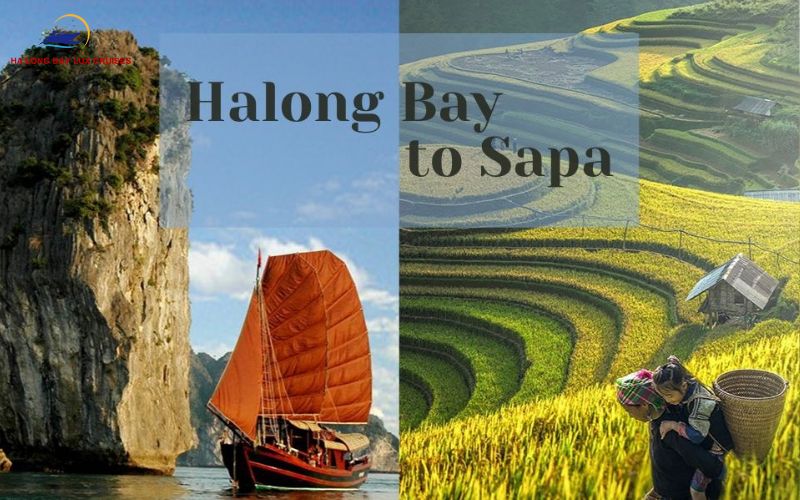
When planning a trip to Vietnam, two breathtaking destinations often come to mind: Ha Long Bay and Sapa. Ha Long Bay captivates with its emerald waters and towering limestone islands, while Sapa enchants visitors with its terraced rice fields, cool mountain air, and rich ethnic culture. But when it comes to choosing between Ha Long Bay vs Sapa, which one is right for your travel style? In this article, we’ll break down the key differences in scenery, climate, activities, and travel costs to help you make the best choice for your Vietnam adventure.
Overview – Halong Bay vs Sapa
When it comes to choosing between Halong Bay or Sapa, travelers are often torn between two of Vietnam’s most iconic destinations—each offering a completely different experience.
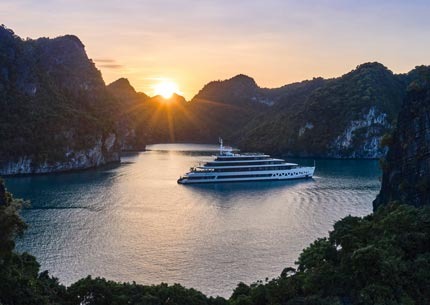
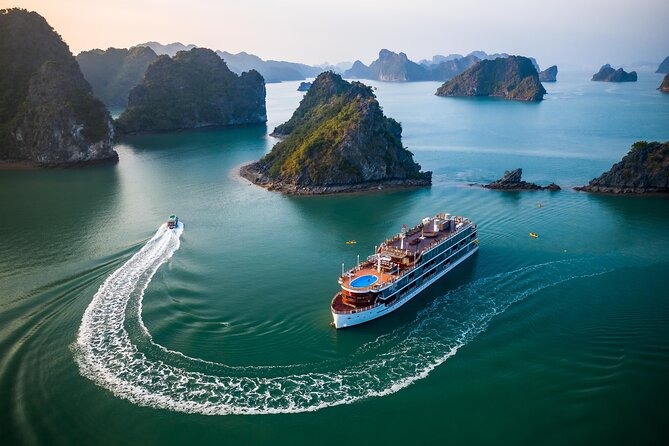
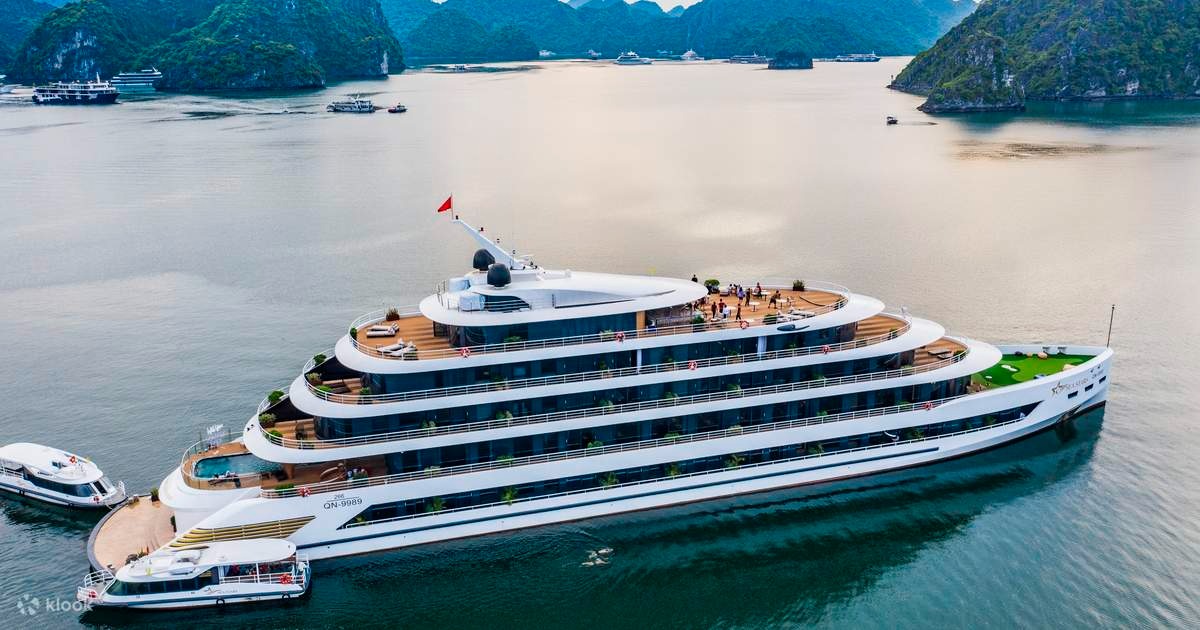
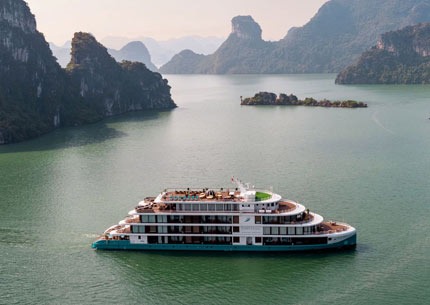
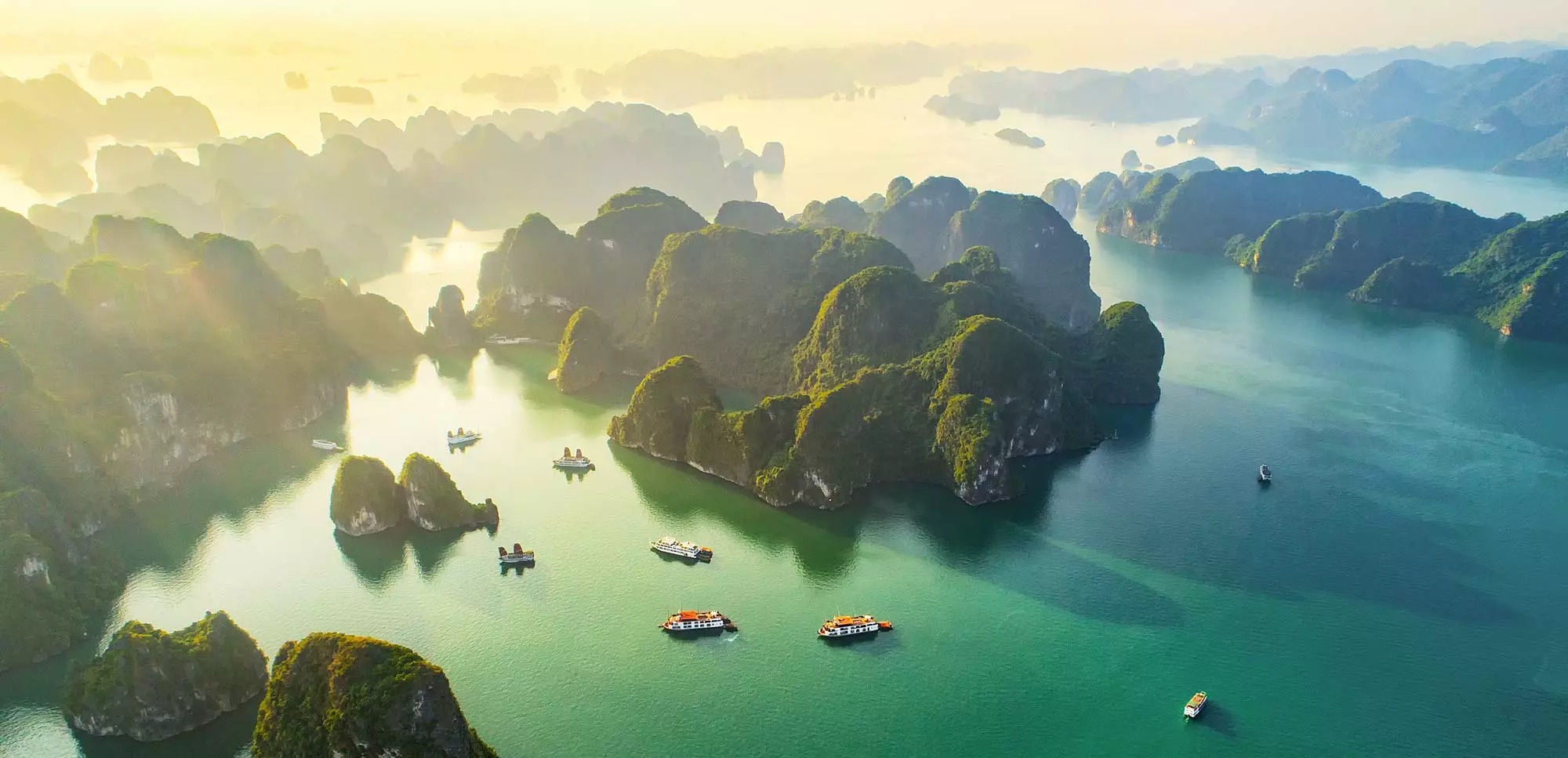
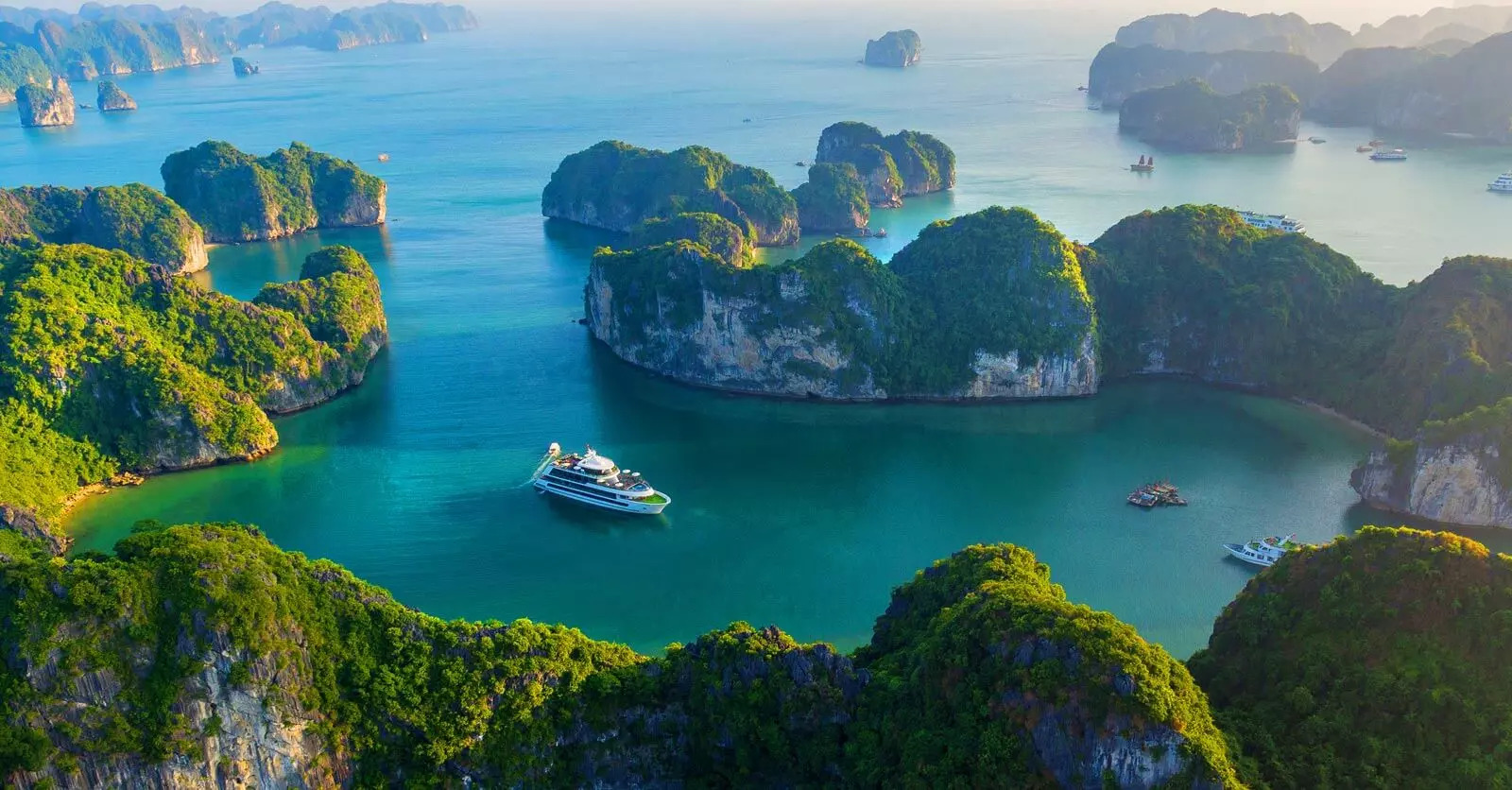
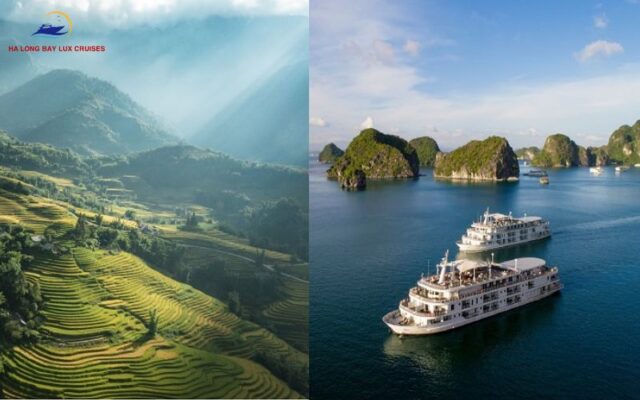
Halong Bay, a UNESCO World Heritage Site, is famous for its emerald waters and thousands of towering limestone islands. With its dramatic seascape, hidden caves, and floating fishing villages, the bay is often described as a natural wonder. Cruising through Halong Bay is a relaxing and luxurious way to immerse yourself in its serene beauty, with many cruises offering fine dining, spa treatments, and exciting water-based activities.
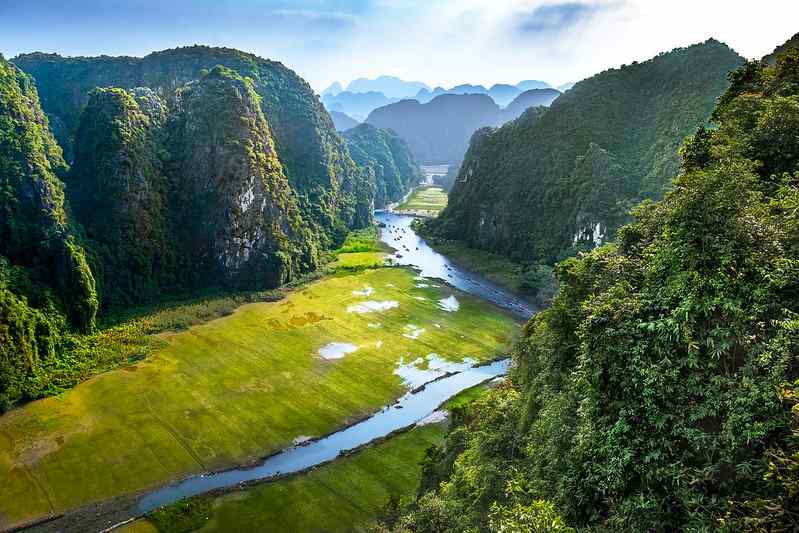
Sapa, on the other hand, is a highland town nestled in the Hoang Lien Son mountain range of Northern Vietnam. Known for its terraced rice fields, misty valleys, and ethnic minority cultures, Sapa offers a completely different kind of escape. Visitors can trek through mountain trails, visit local hill tribe villages, and enjoy cool, fresh mountain air.
Sapa vs Halong Bay is not just a comparison of landscapes—it’s a choice between adventure and relaxation, between mountains and sea. Whether you’re drawn to the tranquility of the bay or the rugged beauty of the mountains, each destination promises an unforgettable journey.

Landscape and Scenery
One of the most striking differences when comparing Halong Bay vs Sapa lies in their natural landscapes.
Halong Bay captivates visitors with its iconic seascape—thousands of limestone karsts rising majestically from emerald green waters. The bay is dotted with hidden caves, pristine beaches, and lush islets, all creating a surreal and serene setting. Whether you’re kayaking through quiet lagoons or watching the sun set from a luxury cruise, the scenery in Halong Bay is nothing short of magical.
In contrast, Sapa offers a breathtaking highland landscape defined by terraced rice fields, rolling mountains, and cloud-covered valleys. The view from the top of a trekking trail reveals patchworks of green and gold cascading down the hillsides, especially stunning during harvest season. Towering peaks like Mount Fansipan—the highest in Indochina—add to Sapa’s dramatic charm.
If you’re looking for calm waters, striking rock formations, and a peaceful atmosphere, Halong Bay is the ideal choice. But if you’re drawn to rugged mountain beauty and cultural immersion, Sapa will leave a lasting impression. Whether it’s Sapa vs Halong Bay or Halong Bay or Sapa, both offer unforgettable scenery—just in vastly different ways.
Things to Do – What Each Destination Offers
When it comes to planning your adventure, the list of activities is a major factor in deciding between Halong Bay vs Sapa.
In Halong Bay
This coastal paradise is best explored by boat. Most travelers choose an overnight or multi-day cruise to fully experience the bay’s charm. Here’s what you can do:
- Cruising: Relax on a luxury cruise ship with panoramic views, gourmet dining, and on-board entertainment.
- Kayaking: Paddle through limestone caves and hidden lagoons for a closer look at the bay’s natural wonders.
- Swimming and sunbathing: Visit secluded beaches like Ti Top Island for a refreshing dip.
- Cave exploration: Discover spectacular caves such as Sung Sot (Surprise Cave) or Thien Cung Cave with their impressive stalactites.
- Squid fishing & tai chi: Enjoy unique night-time activities or early morning wellness on the deck.
- Cooking classes: Learn to make traditional Vietnamese dishes with professional chefs on board.
In Sapa
If you’re leaning toward cultural immersion and outdoor adventure, Sapa is the place to be. It offers an entirely different kind of experience:
- Trekking and hiking: Explore the stunning terraced rice fields and mountain trails, with routes for all skill levels.
- Visit ethnic villages: Meet the H’mong, Dao, and other ethnic groups and experience their daily life and traditional crafts.
- Conquer Mount Fansipan: Take a cable car or challenge yourself with a hike to the “Roof of Indochina.”
- Local markets and cuisine: Wander through colorful markets and sample regional delicacies like grilled pork skewers or herbal hotpots.
- Homestays: Spend a night with a local family to truly connect with the culture and environment.
Whether you’re looking for relaxation or adventure, Ha Long Bay or Sapa will satisfy different travel desires. Sapa vs Ha Long Bay isn’t a matter of which is better—but which fits your dream experience more closely.
Weather and Best Time to Visit
When planning a trip to Vietnam, understanding the weather is essential—especially when choosing between Sapa vs Ha Long Bay, as both destinations have very distinct climates.
Halong Bay Weather
Halong Bay has a typical tropical climate with four seasons, but the weather is generally warm and humid. The best time to visit is from October to April, when skies are clearer, temperatures are comfortable, and there’s less rainfall—perfect for cruising and outdoor activities.
- Spring (March–April): Mild temperatures and blooming flowers.
- Autumn (October–November): Cool, dry weather with stunning sunsets.
Avoid July and August if possible, as it’s the rainy season and prone to storms, which can disrupt cruise schedules.
Sapa Weather
Sapa has a temperate mountain climate, much cooler than the rest of Vietnam. The best time to visit is from March to May and September to November, when the weather is dry, skies are clear, and the landscape is at its most beautiful.
- Spring (March–May): Warm days, cool nights, and lush green fields.
- Autumn (September–November): Harvest season brings golden rice terraces and breathtaking views.
Winters (December to February) can get very cold, with fog, drizzle, and even snowfall in some years—great if you love the winter atmosphere, but not ideal for trekking.
Halong Bay or Sapa – Which Season Is Better for You?
- Choose Halong Bay in the cooler months (Oct–Apr) for a calm cruise experience.
- Pick Sapa in the harvest season (Sept–Nov) or spring for trekking and photography.
Ultimately, when comparing Halong Bay vs Sapa, the best time to visit depends on what kind of weather you enjoy and the activities you plan to do.
Culture and Local Life
The contrast between Halong Bay vs Sapa extends far beyond landscapes—each destination also offers a unique cultural experience.
Halong Bay – Life on the Water
In Halong Bay, the culture revolves around the sea. One of the most fascinating aspects is the floating fishing villages, such as Cua Van, where communities have lived for generations on houseboats.
- Locals here rely on fishing and aquaculture as their main livelihoods.
- Visitors can take a small bamboo boat to explore these villages and interact with residents, gaining insight into their daily routines, traditions, and resilience.
- While modernization has affected some areas, a sense of maritime heritage still lingers throughout the bay.
Although Halong Bay is more geared toward tourism and relaxation, you can still experience elements of Vietnamese coastal life, especially through local seafood cuisine, traditional boat design, and folklore tied to the bay’s mythical origins.

Sapa – Ethnic Diversity in the Highlands
In contrast, Sapa’s culture is deeply rooted in its ethnic minority communities, including the H’Mong, Dao, Tay, Giay, and Xa Pho. Each group has its own language, customs, traditional dress, and festivals.
- Visiting hill tribe villages allows travelers to see firsthand the unique architecture, handicrafts, and farming practices.
- Markets like Bac Ha and Sapa Love Market offer vibrant glimpses into daily life, where locals trade goods and socialize.
- Travelers often choose homestays for immersive cultural exchanges—sharing meals, learning local crafts, and participating in seasonal rituals or celebrations.
The cultural experience in Sapa vs Ha Long Bay is much more hands-on and community-based. While Halong offers scenic beauty with light cultural touches, Sapa is the better choice for those seeking deep cultural immersion and meaningful interactions.

Accommodation and Comfort
When choosing between Halong Bay vs Sapa, the level and style of accommodation can greatly influence your overall travel experience.
Halong Bay – Floating Luxury
Halong Bay is best known for its cruise-based accommodations, offering a unique blend of nature and luxury.
- Most travelers stay overnight on a cruise, which doubles as both a hotel and a guided tour.
- Options range from affordable mid-range boats to ultra-luxurious 5-star cruises complete with private balconies, spa services, fine dining, and even piano lounges.
- Some travelers also stay in hotels in Halong City or Tuan Chau Island, but the full Halong experience comes from sleeping on the bay itself.
For those who value comfort, convenience, and relaxation, especially with scenic backdrops, Halong Bay’s cruise accommodations are hard to beat.
Sapa – Mountain Retreats and Homestays
Sapa offers a broader range of land-based stays, from simple village homestays to charming mountain resorts.
- Budget travelers often opt for rustic homestays in ethnic villages, where rooms are basic but the cultural immersion is rich.
- For more comfort, there are eco-lodges, boutique hotels, and several 4-5 star resorts with panoramic views of rice terraces and mountains.
- Amenities can vary significantly, especially in remote areas, so it’s worth checking reviews before booking.
If you’re seeking authentic cultural experiences and scenic mountain vibes, Sapa provides a rewarding alternative to the structured comfort of Halong cruises.
Ha Long Bay or Sapa – Which Offers Better Comfort?
- Choose Halong Bay for floating luxury and hassle-free itineraries.
- Choose Sapa if you prefer land-based stays with cultural depth, and don’t mind a more rustic or nature-immersed environment.
In the end, whether it’s Sapa vs Ha Long Bay, both offer memorable places to stay—but they cater to very different travel styles.
Budget – Which One Is More Affordable?
When planning a trip, cost is often a deciding factor—especially when choosing between Halong Bay or Sapa. Both destinations can be experienced on a range of budgets, but there are some key differences to keep in mind.
Halong Bay – Premium Experience at a Price
Halong Bay is generally more expensive, especially if you opt for a cruise tour, which is the most popular way to explore the area.
- Mid-range cruises typically cost between $100–$200 USD per person for a 2-day, 1-night trip, including meals and activities.
- Luxury cruises can cost $250 USD or more per person per night.
- Day tours are more affordable, ranging from $40–$80 USD, but they don’t offer the full overnight experience.
- Additional costs: transfers from Hanoi, optional activities, tips, and drinks.
While Halong Bay delivers high comfort and convenience, it’s less budget-friendly, especially for solo travelers or backpackers.
Sapa – Budget-Friendly and Flexible
Sapa is a more affordable destination overall, especially for travelers who like to plan independently.
- Accommodation prices range from $10–$25 USD for basic homestays to $40–$100 USD for boutique hotels or resorts.
- Trekking tours with local guides are very affordable (starting around $10–$20 USD per day).
- Food, transport, and entrance fees are generally inexpensive, and many attractions (like rice terraces) are free to enjoy.
Sapa is ideal for budget-conscious travelers looking for authentic experiences without the high cost.
Sapa vs Ha Long Bay – Which Is Worth the Spend?
- If you’re seeking a relaxing, all-inclusive getaway, Halong Bay is worth the splurge.
- If you want flexibility, local connection, and affordability, Sapa is your go-to.
Ultimately, in the debate of Halong Bay vs Sapa, your travel style and budget will determine which is the better fit.
How to Get There – Transportation Comparison
One of the most practical concerns when deciding between Halong Bay or Sapa is accessibility. While both are reachable from Hanoi, they differ significantly in terms of travel time, comfort, and convenience.
Getting to Halong Bay
Halong Bay is located about 170 km (105 miles) east of Hanoi, and getting there is relatively straightforward.
- Travel time: Around 2.5 to 3.5 hours depending on your mode of transport and traffic.
- Transport options:
- Limousine minivans (most popular): Comfortable and efficient, costing around $15–$25 USD per person.
- Private car transfers: More expensive but ideal for groups or families.
- Public buses: The most budget-friendly option, but slower and less convenient.
- New expressways have significantly reduced travel time in recent years.
Overall, Halong Bay is very accessible, making it a good choice for short trips or weekend getaways.
Getting to Sapa
Sapa is located approximately 320 km (200 miles) northwest of Hanoi, in the Lao Cai province. The journey is longer and more adventurous.
- Travel time: About 5.5 to 7 hours, depending on transportation.
- Transport options:
- Sleeper buses: Affordable and direct, costing around $10–$20 USD.
- Overnight trains to Lao Cai: Scenic and comfortable. From Lao Cai, it’s another 1-hour drive to Sapa.
- Limousine minivans: A quicker option, but the winding mountain roads may not be for everyone.
Sapa’s remote location adds to its charm, but it does require more time and effort to reach compared to Halong Bay.
Halong Bay vs Sapa – Which Is Easier to Access?
- Choose Halong Bay if you prefer short, direct travel and a more relaxed journey.
- Choose Sapa if you’re up for an adventure through northern Vietnam’s landscapes and don’t mind the extra travel time.
In terms of sapa vs ha long bay, Halong Bay wins for convenience, but Sapa rewards those who go the extra mile.
Ideal Travelers for Each Destination
While both destinations are captivating, Halong Bay vs Sapa appeal to very different types of travelers. Your ideal choice depends on your travel style, interests, and expectations.
Halong Bay – For Relaxation, Comfort, and Romance
Halong Bay is perfect for those who enjoy scenic beauty with a touch of luxury.
- Couples and honeymooners love the romantic atmosphere of overnight cruises.
- Families appreciate the convenience of all-inclusive packages with safe, relaxing activities.
- Short-term travelers with limited time can experience the highlights of Halong Bay within just 1 or 2 days.
- Ideal for those who prefer minimal physical effort but want to enjoy nature and comfort at the same time.
If you’re looking for calm waters, elegant accommodation, and a laid-back itinerary, then Halong Bay is the better fit.
Sapa – For Adventurers, Culture Seekers, and Photographers
Sapa is a dream destination for active and curious travelers who want to immerse themselves in local life.
- Backpackers and solo travelers are drawn to its trekking routes and budget-friendly options.
- Nature lovers and photographers will find endless inspiration in the misty mountains and golden rice terraces.
- Culture enthusiasts can explore the lives of Vietnam’s ethnic minority groups and engage in meaningful exchanges.
- Perfect for those who enjoy physical activity, cultural exploration, and immersive experiences.
If you don’t mind rougher terrain and longer travel times, Sapa offers richer personal interactions and unforgettable scenery.
Sapa vs Ha Long Bay – What’s Right for You?
- Choose Halong Bay if you prefer comfort, convenience, and ocean views.
- Choose Sapa if you’re looking for culture, trekking, and mountain landscapes.
Ultimately, the question of halong bay or sapa comes down to what kind of traveler you are—and what kind of memories you want to make.
Final Verdict – Sapa vs Ha Long Bay
Choosing between Sapa vs Ha Long Bay is not about which destination is better—it’s about which one best matches your travel goals, style, and expectations.
If you’re looking for tranquility, luxury, and breathtaking seascapes, then Halong Bay is your ideal escape. It’s perfect for couples, families, and those short on time who want to enjoy Vietnam’s natural beauty without physical strain. Cruising among limestone islands, enjoying fresh seafood, and watching the sun rise over calm waters makes for a truly relaxing experience.
On the other hand, if you’re craving adventure, cultural immersion, and stunning mountain views, then Sapa is the place for you. With its vibrant ethnic communities, scenic trekking trails, and cool mountain climate, Sapa offers a richer connection to Vietnam’s land and people. It’s especially ideal for solo travelers, photographers, and anyone eager to explore off-the-beaten-path.
Still undecided between Halong Bay or Sapa? If you have the time, consider visiting both. Many travelers start with Sapa for trekking and culture, then unwind in Halong Bay to finish their journey on a peaceful note.
In the end, both destinations offer unforgettable experiences—but in completely different ways. Whichever you choose, you’re guaranteed to walk away with memories that will last a lifetime
FAQ – Ha Long Bay vs Sapa
1. Can I visit both Ha Long Bay and Sapa in one trip?
Yes! Many travelers combine both destinations in a single itinerary. You can visit Sapa first for trekking and cultural exploration, then unwind in Halong Bay. Just make sure to plan at least 5–6 days to enjoy each place without rushing.
2. Which destination is more suitable for families with children?
Halong Bay is more family-friendly, especially for young children or elderly travelers. Cruises offer a safe, relaxing environment with a variety of soft activities. Sapa involves more walking and travel time, which may be challenging for kids or older adults.
3. Where should I go for a romantic getaway – Halong Bay or Sapa?
Halong Bay is ideal for romance. Private cruises, stunning sunsets, and quiet seascapes create the perfect atmosphere for couples and honeymooners. While Sapa is beautiful too, it’s more adventurous and less private.
4. Is it cheaper to travel to Sapa or Halong Bay?
Sapa is generally more affordable, with budget-friendly homestays, local food, and cheap trekking options. Halong Bay, especially if you choose a cruise, can be pricier due to package costs and added luxury.
5. Which destination offers better photography opportunities?
Both are spectacular, but in different ways. Choose Halong Bay for seascapes, limestone karsts, and dramatic sunrises over the water. Choose Sapa for terraced rice fields, mountain peaks, and colorful ethnic culture. Many photographers end up doing both!
6. What’s better during the rainy season – Sapa or Halong Bay?
During heavy rains (June to August), Halong Bay cruises may be delayed or canceled due to storms. Sapa can also be muddy and harder to trek. If traveling during this time, check weather forecasts carefully. Autumn and spring are safer bets for both.
7. Which one is safer for solo female travelers – Sapa or Halong Bay?
Both are generally safe, but Halong Bay offers more structure, with guided cruise staff and organized itineraries. Sapa is safe too, but solo travelers should stick to well-known trekking paths and book guides through reputable services.
Have more questions about Halong Bay vs Sapa? Feel free to ask your tour operator or reach out to travel communities online—they’re always happy to help you decide!
Conclusion
In the journey of choosing between Halong Bay vs Sapa, there is no wrong decision—only the path that best aligns with your travel goals.
Halong Bay invites you to drift through emerald waters, marvel at limestone karsts, and relax in the luxury of a floating hotel. It’s a seamless, scenic escape ideal for those who prefer comfort, convenience, and coastal charm.
Sapa, in contrast, challenges you to lace up your boots and step into a world of terraced hills, vibrant ethnic cultures, and mountain air. It’s immersive, raw, and perfect for adventurous souls seeking depth and authenticity.
So, whether you’re drawn to sea or summit, culture or comfort, Halong Bay or Sapa, Vietnam offers two unforgettable experiences—each with its own rhythm and soul.
Whichever you choose, one thing is certain: the memories you make in either destination will stay with you long after your journey ends.