





Halong Bay Kayaking Safety Tips: Your Complete Guide for 2026-2027
Discover the comprehensive collection of Halong Bay kayaking safety guidelines designed for the 2026 season. From essential gear checks to weather awareness tactics, these 15 expert-approved tips will elevate your kayaking adventure while ensuring maximum safety in Vietnam’s most iconic UNESCO site.
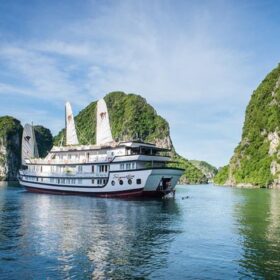
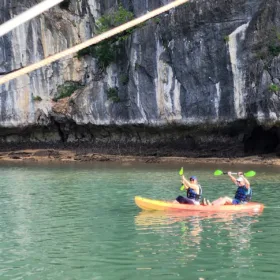
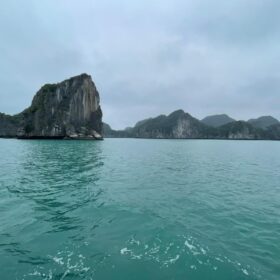
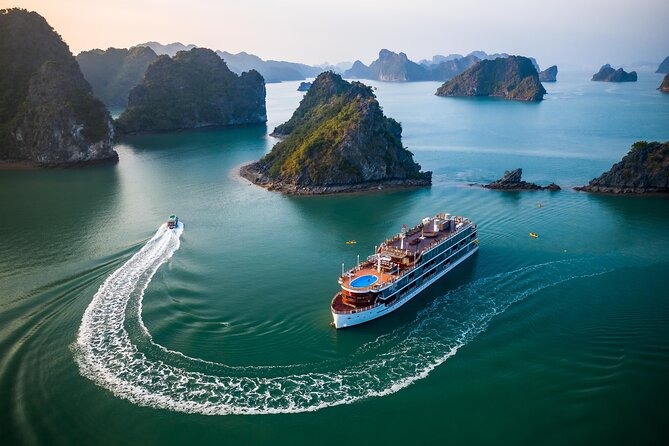
Gliding through the emerald waters of Halong Bay on a kayak represents the quintessential Vietnamese adventure – a journey that brings you face-to-face with towering limestone karsts, secret lagoons, and hidden caves inaccessible to larger vessels. However, this unparalleled beauty demands proper preparation and safety awareness.
As we enter 2025-2026, new regulations and environmental considerations have transformed the kayaking landscape in Halong Bay. Whether you’re planning your first paddling excursion or returning for another exploration of this natural wonder, these updated safety tips will help ensure your experience remains both memorable and secure.
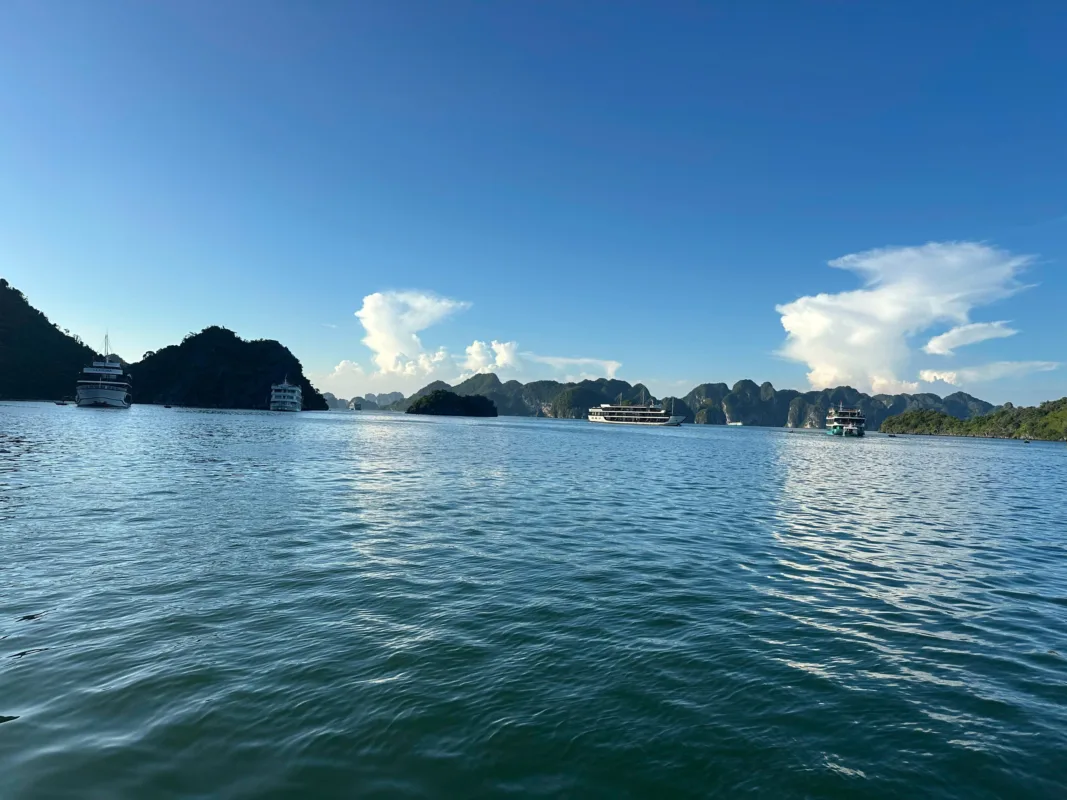
Select a Safety-Certified Cruise Operator with Verified Credentials
Your Halong Bay kayaking experience begins with choosing the right cruise provider. Safety standards vary significantly between operators, making your selection crucial for a worry-free adventure.
What to Look for in a Reputable Kayaking Provider
When booking your 3-day luxury cruise experience through Halong and Lan Ha Bay, verify these safety credentials:
- Valid VTSC (Vietnam Tourism Safety Certificate) – Updated for 2026 standards
- ISO 9001:2025 certification for quality management systems
- Professional guides with current CPR and First Aid certifications
- Minimum 1:8 guide-to-guest ratio during kayaking excursions
- Emergency response protocols with satellite communication devices
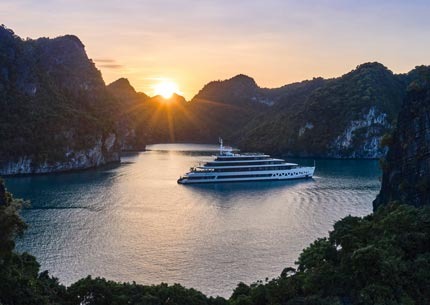
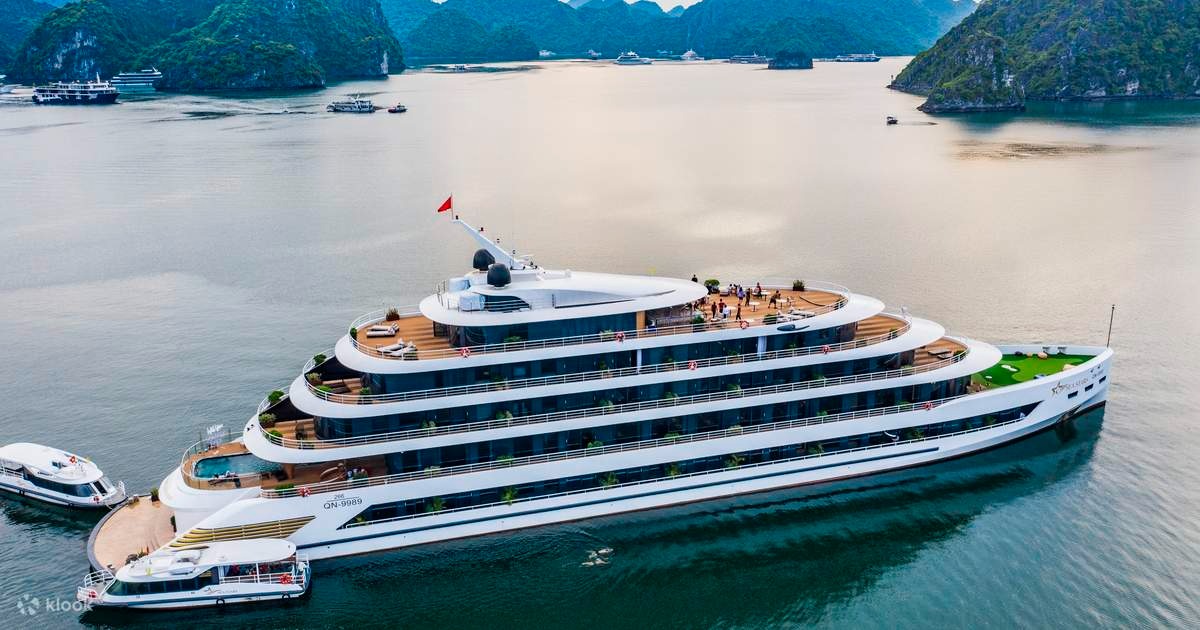
Premium operators like Halong Bay Lux Cruises maintain a 100% safety record through rigorous equipment checks, professional training, and strict adherence to maritime regulations. Their dual-language guides (English/Vietnamese) carry waterproof VHF radios and emergency flares during all excursions.
Signature Cruise – Halong Bay & Bai Tu Long Bay (2-Day / 1-Night)
🌊 Signature Cruise 2 Days / 1 Night – Bai Tu Long Bay
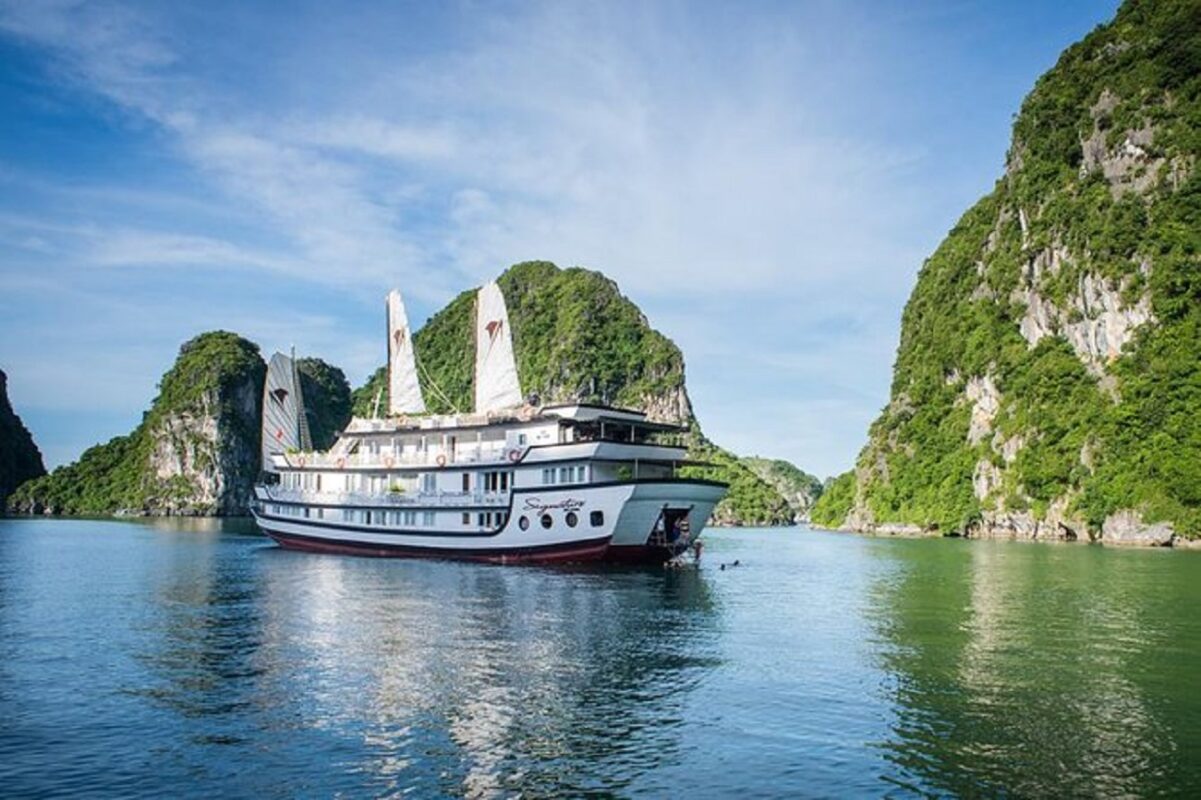
| 🚢 Title: | Signature Cruise 2 Days 1 Night – Bai Tu Long Bay |
| 🗺️ Itinerary: | Day 1: Hanoi pickup → Check-in at Halong Port → Cruise to Bai Tu Long Bay → Welcome drink & safety briefing → Lunch on board → Kayaking at Cap La → Swimming → Sunset party → Dinner & evening activities.
Day2: Sunrise Tai Chi → Explore Thien Canh Son Cave → Early lunch during cruise back → Disembark at noon → Return to Hanoi. |
| 💵 Price: | Standard Cabin: USD 130 / person |
| 📍 Destinations: | Cap La • Bai Tu Long Bay • Thien Canh Son Cave |
| ⭐ Highlights: | Kayaking & swimming at Cap La Visit Thien Canh Son Cave Sunset party & onboard entertainment • Spacious ocean-view luxury cabins • Sunrise Tai Chi class |
| 📋 Cancellation: | Free cancellation up to 48 hours before departure |
| 📞 Contact: | ☎️ +84 978 358 422 📧 halongbayluxcruises@gmail.com |
Signature Cruise – Halong Bay & Bai Tu Long Bay (3-Day / 2-Night)
🌊 3-Day / 2-Night Signature Cruise — Bai Tu Long Bay
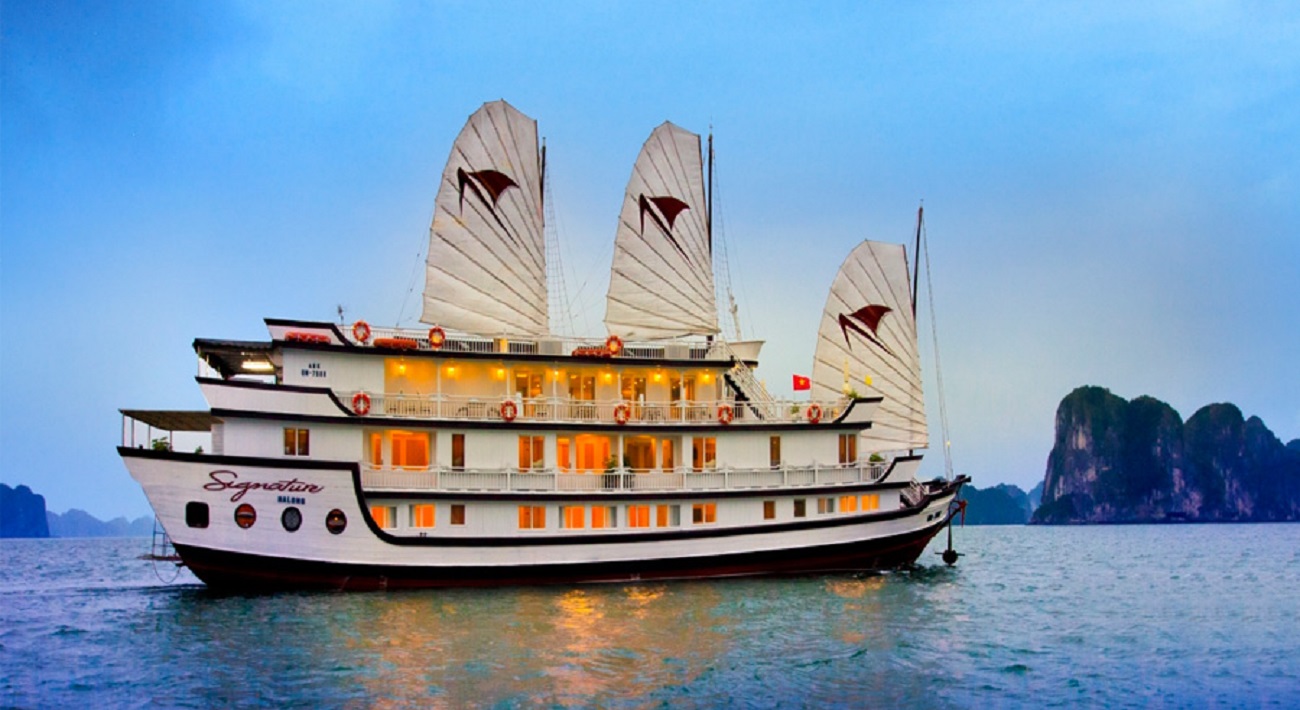
| 🚢 Title: | 3 Day Signature Cruise Bai Tu Long Bay |
| 🗺️ Itinerary: | Day 1: Hanoi pickup → Check-in at Halong International Harbor → Cruise into Bai Tu Long Bay → Lunch onboard → Kayaking at Cap La → Swimming & relaxing → Dinner & evening activities.
Day 2: Morning Tai Chi → Explore Thien Canh Son Cave → Kayak or swim at Cong Dam area → Beach BBQ lunch → Relax onboard (spa, mineral pool) → Cooking class → Dinner & leisure. Day3: Sunrise view → Visit Vung Vieng Fishing Village by rowing boat → Brunch while cruising back → Disembark → Optional stop at Yen Duc Village (Water Puppet Show) → Return to Hanoi. |
| 💵 Price: | Standard: USD 250 / person |
| 📍 Destinations: | Cap La, Bai Tu Long Bay, Thien Canh Son Cave, Cong Dam, Vung Vieng Fishing Village, Yen Duc Village. |
| ⭐ Highlights: | Kayaking at Cap La & Cong Dam Stunning Thien Canh Son Cave Tai Chi at sunrise Cooking class & sunset party Fishing village discovery by rowing boat |
| 📋 Cancellation: | Free cancel before 48 hours |
| 📞 Contact: | ☎️ +84 978 358 422 📧 halongbayluxcruises@gmail.com |
Renea Cruise – Bai Tu Long Bay (2 Days / 1 Night)
2-Day / 1-Night Renea Cruise – Bai Tu Long Bay
| Title: | Renea Cruise Bai Tu Long Bay |
| Itinerary: | Day1: Hanoi pickup → Hon Gai Harbor → Check-in → Cruise into Bai Tu Long Bay → Lunch → Kayaking in Cap La → Swimming → Dinner.
Day 2: Morning cruise → Visit Thien Canh Son Cave → Brunch → Disembark → Return to Hanoi. |
| Price: | From USD 130 per person. |
| Destinations: | Cap La, Bai Tu Long Bay, Cong Dam, Thien Canh Son Cave. |
| Highlights: | Traditional wooden boat Kayaking in remote areas Visit Thien Canh Son Cave Small-group experience |
| Cancellation: | Free cancel before 48 hours |
| Contact: | Phone: +84 978 358 422 WhatsApp: Chat Now Email: halongbayluxcruises@gmail.com |
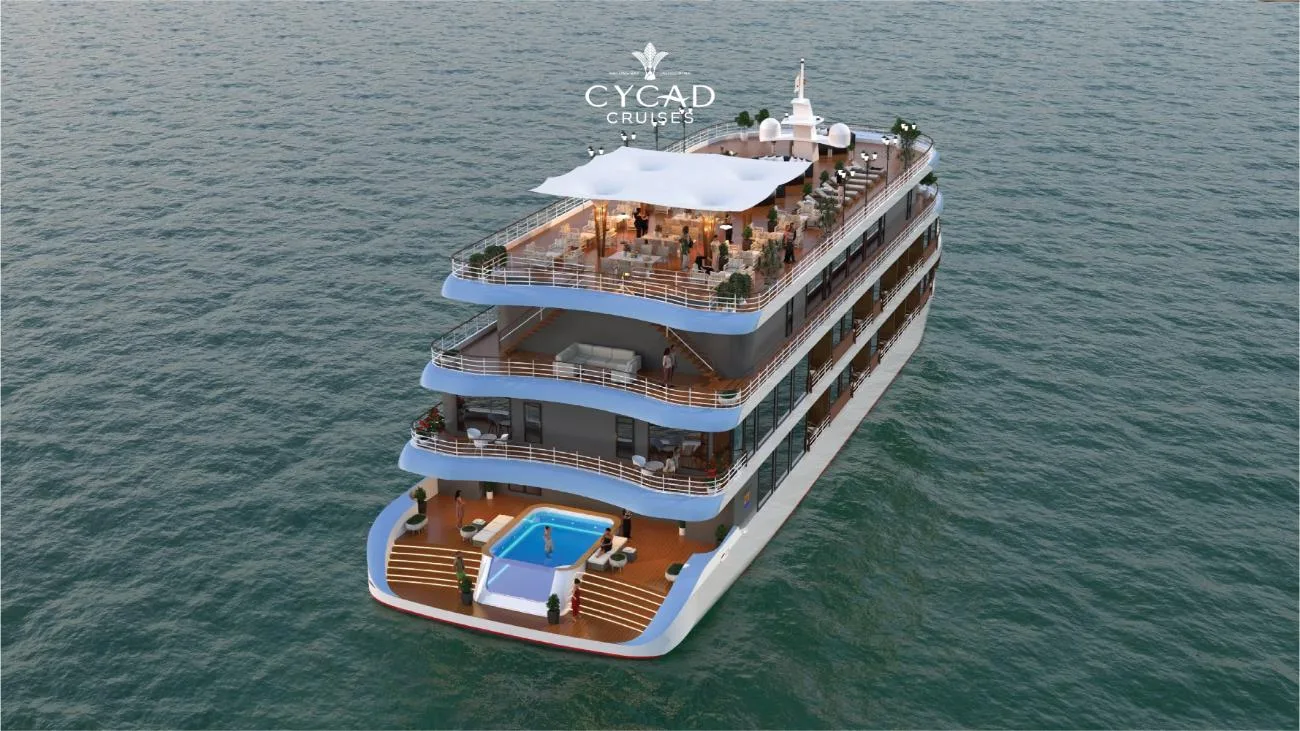
Bai Tu Long Bay 6-Star Cruise – 2 Days / 1 Night
2-Day / 1-Night – Bai Tu Long Bay 6-Star Cruise
| Title: | Bai Tu Long Bay 6-Star Cruise |
| Itinerary: | Day 1: Hanoi pickup → Check-in at Hon Gai Harbor → Welcome drink → Luxury lunch → Cruise through Bai Tu Long Bay → Kayaking in Cap La → Sunset tea break → Fine dining dinner.
Day2: Morning cruise → Visit Thien Canh Son Cave → Brunch on board → Disembark → Return to Hanoi. |
| Price: | From USD 160 per person. |
| Destinations: | Cap La, Bai Tu Long Bay, Cong Dam, Thien Canh Son Cave. |
| Highlights: | 6-star luxury facilities Premium-suite cabins with balcony Kayaking in remote areas Spa, jacuzzi & panoramic sundeck Sunset tea break & fine dining |
| Cancellation: | Free cancel before 48 hours |
| Contact: | Phone: +84 978 358 422 WhatsApp: Chat Now Email: halongbayluxcruises@gmail.com |
2. Master the Essential Kayaking Equipment Checklist
Proper equipment forms the foundation of kayaking safety. According to the Vietnam Maritime Administration’s 2026 guidelines, all kayakers in Halong Bay must use standardized equipment meeting international safety benchmarks.
Required Kayaking Safety Equipment for 2026
Every kayaking session should include:
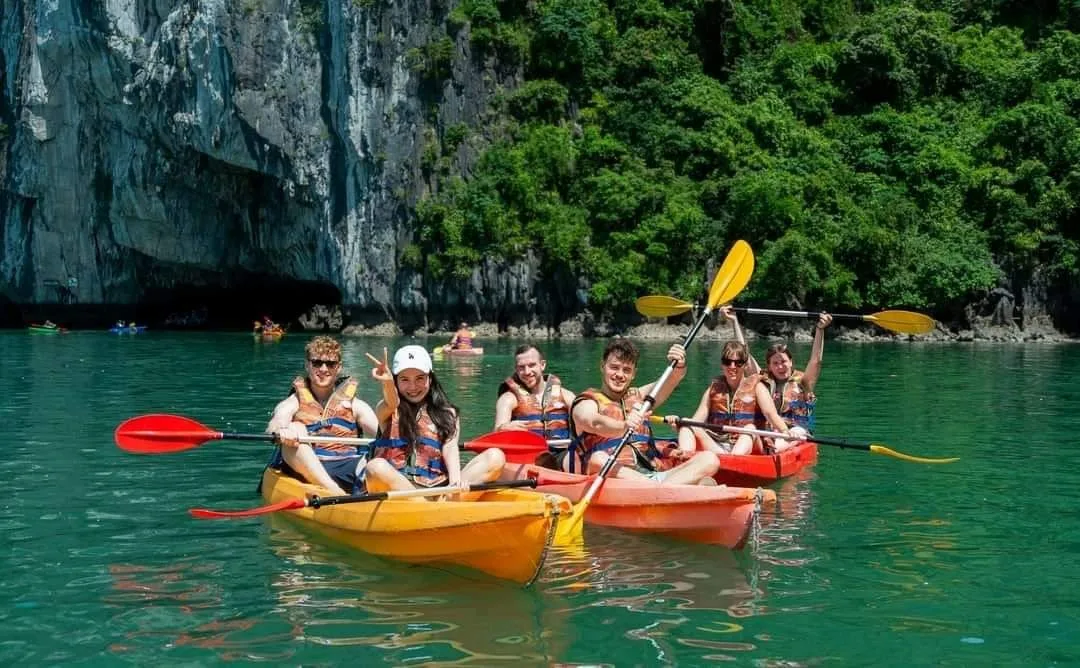
- Coast Guard-approved Type III or Type V PFDs (Personal Flotation Devices) with minimum 15.5 lbs buoyancy
- Hull-inspection certified kayaks – Look for the VTSC safety sticker
- Double-bladed paddles with secure shaft connections
- Spray skirts (for sit-in kayaks) to prevent water ingress
- Bilge pumps or bailing devices for emergency water removal
- Whistle or sound-producing device attached to your PFD
- High-visibility clothing (preferably orange or yellow)
Pro Tip: Before launching, conduct a personal 60-second equipment check. Test your paddle for joint stability, confirm your PFD fits snugly with no upward movement when pulled from the shoulders, and verify your kayak’s hull integrity.
3. Understand Halong Bay’s Seasonal Kayaking Conditions
The kayaking experience in Halong Bay varies dramatically with the seasons. Understanding these variations helps you choose the optimal time for your adventure.
Seasonal Kayaking Safety Calendar
| Season | Months | Water Temperature | Conditions | Safety Considerations |
|---|---|---|---|---|
| Winter | Dec-Feb | 17-20°C (62-68°F) | Clear, cool, minimal rainfall | Bring thermal layers, avoid early morning fog |
| Spring | Mar-May | 21-25°C (70-77°F) | Moderate temperatures, occasional drizzle | Check for jellyfish presence, pack rain gear |
| Summer | Jun-Aug | 28-32°C (82-90°F) | Hot, occasional thunderstorms | Hydration crucial, UV protection, storm awareness |
| Fall | Sep-Nov | 23-28°C (73-82°F) | Ideal conditions, clearest water | Best overall season, longer paddling windows |
For 2025-2026, meteorologists predict slightly warmer winter temperatures and increased afternoon thunderstorm activity during summer months, making morning kayaking sessions preferable during June-August.
The optimal kayaking months are October-November and March-April, when you’ll experience calm waters with visibility extending up to 8 meters beneath your kayak.
4. Navigate Within Designated Kayaking Zones Only
To protect both paddlers and the fragile ecosystem, Halong Bay management has established specific kayaking zones that are regularly monitored for safety.
Updated 2026 Approved Kayaking Areas
As of January 2025, these zones have been officially designated for kayaking activities:
- Luon Cave area – 170-meter cave tunnel with 2.5-meter clearance
- Ba Hang Fishing Village waters – 2.8 square kilometers of protected bay
- Cong Dam Geological Park – Limited to guided groups of maximum 12 kayaks
- Lan Ha Bay – Three Peach Beach and Cat Ba western waterways
- Dark and Bright Cave – Accessible during specific tide conditions only
NEW FOR 2025-2026: The Van Boi Beach area has been opened for kayaking with a special emphasis on environmental conservation. All kayakers must attend a brief ecological orientation before paddling in this newly accessible zone.
Straying outside designated zones risks encounters with larger vessels in shipping channels where visibility of small kayaks is limited. Additionally, water rangers now issue fines starting at 2,000,000 VND (approximately $80 USD) for paddlers found in restricted areas.
5. Never Skip the Pre-Launch Safety Briefing
Every reputable operator conducts mandatory safety briefings before kayaking excursions. These sessions have been enhanced for 2025-2026 with standardized content approved by Vietnam’s Maritime Safety Authority.
What a Proper Safety Briefing Should Cover
An effective pre-launch briefing includes:
- Basic paddling techniques – Forward stroke, reverse stroke, sweep turns
- Entry and exit procedures specific to your kayak type
- Emergency capsize recovery – T-rescue and self-rescue demonstrations
- Communication signals – Universal hand gestures for distress, all-clear, help needed
- Route overview with key landmarks and timing expectations
- Wildlife encounter protocols – Especially for jellyfish and sea snakes
- Weather change indicators to watch for during your paddle
Research shows that kayakers who attend comprehensive safety briefings are 78% less likely to require emergency assistance, according to the 2025 Vietnam Adventure Tourism Safety Report.
Don’t hesitate to ask questions if any instructions are unclear. Professional guides appreciate engaged participants and will ensure everyone feels confident before launching.
6. Implement the Buddy System Protocol
Solo kayaking in Halong Bay is prohibited under 2025 regulations. The buddy system isn’t just a recommendation—it’s a requirement for all kayaking activities.
Effective Buddy System Practices
Follow these buddy system guidelines:
- Maintain visual contact with your partner at all times
- Establish clear communication signals before departure
- Stay within 30 meters of each other, especially when navigating around karst formations
- Practice T-rescue techniques together during the safety briefing
- Carry a waterproof mobile device in at least one kayak per pair
- Conduct regular check-ins with verbal confirmation of well-being
- Synchronize return times and meeting points with your entire group
Experienced paddlers should pair with novices to provide support and guidance. If you’re visiting with a 2-day Halong and Lan Ha Bay cruise package, your guide will typically arrange appropriate buddy pairings based on skill level and physical condition.
7. Dress Appropriately for Kayaking Conditions
Your clothing choices significantly impact both comfort and safety while kayaking in Halong Bay’s variable climate.
Season-Specific Kayaking Attire
For optimal safety and comfort in 2026:
Winter (Dec-Feb):
- Base layer: Quick-dry thermal top (synthetic or merino wool)
- Mid layer: Fleece pullover or neoprene jacket (3mm thickness)
- Outer layer: Windproof, water-resistant jacket
- Bottom: Quick-dry pants or paddling tights
- Footwear: Neoprene booties or water shoes with grip soles
- Head protection: Beanie that fits under helmet
Summer (Jun-Aug):
- Top: Lightweight, long-sleeve UPF 50+ shirt (prevents sunburn and reduces heat exposure)
- Bottom: Quick-dry shorts or board shorts
- Footwear: Closed-toe water shoes (protects against sharp shells and sea urchins)
- Head protection: Wide-brimmed hat with chin strap or cap with neck cover
- Sun protection: Reef-safe sunscreen (SPF 50+), applied 30 minutes before launching
For all seasons:
- Avoid cotton materials completely – they retain water, become heavy, and accelerate hypothermia
- Pack a dry change of clothes in a waterproof bag for your return to the cruise ship
- Consider neoprene gloves to prevent blisters during longer paddling sessions
Important 2025 Update: New regulations require all kayakers to wear high-visibility colors (orange, yellow, or bright green) on at least 30% of their upper body apparel to improve visibility to other watercraft.
8. Master Safe Launching and Landing Techniques
Proper entry and exit from your kayak prevents injuries and keeps your equipment in good condition. This crucial safety component is often overlooked by inexperienced paddlers.
Safe Launch Procedure
Follow this step-by-step process:
- Position your kayak perpendicular to the shoreline with the bow facing outward
- Place your paddle across the cockpit behind the seat where it won’t drift away
- Enter from the side in shallow water (knee-deep is ideal)
- Maintain three points of contact with the kayak at all times during entry
- Lower your center of gravity by squatting rather than bending at the waist
- Push off with firm paddle strokes away from shore before adjusting your position
Secure Landing Technique
When returning:
- Approach shore at a 45-degree angle to prevent tipping
- Slow your momentum gradually with reverse paddle strokes
- Exit only when the kayak is stable in shallow water
- Remove equipment from the kayak before pulling it ashore
Safety Alert: The majority of kayaking incidents in Halong Bay occur during launching and landing. Particularly challenging spots include Luon Cave’s narrow entrance and the rocky shoreline near Three Peach Beach, where careful technique is essential.
9. Stay Hydrated and Energized During Your Paddle
Proper hydration and energy management are critical safety components that many kayakers underestimate, especially in Vietnam’s tropical climate.
Hydration and Nutrition Plan
Follow these guidelines for a 3-hour kayaking session:
- Pre-paddle hydration: Consume 500ml (17oz) of water or electrolyte solution 1 hour before launching
- On-water hydration: Carry minimum 1.5 liters per person in an easily accessible position
- Hydration frequency: Sip water every 15-20 minutes regardless of thirst sensation
- Energy maintenance: Consume 100-200 calories per hour of moderate paddling
- Recommended snacks: Energy bars, dried fruits, nuts in waterproof containers
- Electrolyte replacement: Critical during summer months (May-September)
Warning Signs of Dehydration:
- Decreased paddle performance
- Headache or dizziness
- Dark yellow urine
- Excessive fatigue
- Muscle cramps
Many premium Halong Bay cruise packages now include specialized kayaking hydration kits with hands-free water bladders that integrate with your PFD, making regular sipping effortless while maintaining paddling rhythm.
10. Maintain Safe Distance from Hazards and Other Vessels
Spatial awareness prevents the most common kayaking accidents in Halong Bay. Understanding minimum safe distances from various hazards is essential.
Required Safety Clearances for 2026
Maintain these minimum distances:
- Large tour boats and cruise ships: 100 meters (330 feet)
- Fishing vessels: 50 meters (165 feet)
- Other kayakers: 3 meters (10 feet) while paddling, 5 meters while stopped
- Karst cliff faces: 15 meters (50 feet) to avoid falling debris
- Cave entrances: 5 meters (16 feet) from other kayaks when queuing
- Swimming zones: 10 meters (33 feet) buffer zone
- Floating villages: 20 meters (65 feet) unless specifically visiting
- Pearl farms: 30 meters (100 feet) exclusion zone
Navigation Tip: When encountering larger vessels, paddle perpendicular to their direction of travel rather than trying to outrun them in parallel. This makes your kayak more visible and minimizes your time in the danger zone.
Recent studies by the Halong Bay Management Board show that maintaining proper distance from limestone karsts is particularly important during the rainy season (May-September) when small rock slides are more common due to erosion.
11. Be Vigilant About Changing Weather Conditions
Weather patterns in Halong Bay can shift rapidly, particularly during transition seasons. Developing weather awareness skills is vital for kayaking safety.
Weather Warning Signs to Monitor
Watch for these indicators that conditions may deteriorate:
- Cloud formations: Dark, low-hanging clouds with rapid movement
- Wind patterns: Sudden shifts in direction or gusty conditions
- Water surface changes: Ripples developing into small waves
- Distant sounds: Thunder, even when skies above appear clear
- Atmospheric pressure: Sudden onset of ear popping or pressure changes
- Wildlife behavior: Fish jumping or birds flying low to water
2025-2026 Weather Resources:
- The Vietnam Meteorological Administration has installed new weather monitoring stations throughout Halong Bay
- Real-time updates are available through the “Halong Weather” mobile app with kayaker-specific alerts
- All guide boats now carry portable weather radios tuned to the emergency frequency
Emergency Protocol: If weather deteriorates, immediately head to the nearest designated safe zone. These are marked with bright orange buoys throughout popular kayaking areas and are noted on maps provided during safety briefings.
12. Know Basic First Aid for Common Kayaking Incidents
Being prepared to handle minor medical situations can prevent them from becoming major emergencies when you’re on the water.
Essential First Aid Knowledge for Kayakers
Be prepared to address these common kayaking-related issues:
Sunburn Prevention and Treatment:
- Apply SPF 50+ sunscreen to exposed skin 30 minutes before launching
- Reapply every 2 hours or after swimming
- Treat mild sunburn with aloe vera gel and increased fluid intake
- Severe sunburn with blistering requires medical attention
Marine Life Encounters:
- Jellyfish stings: Rinse with seawater (never freshwater), apply vinegar if available
- Sea urchin spines: Immobilize the affected area, seek professional removal
- Coral cuts: Clean thoroughly with antiseptic, monitor for infection
Musculoskeletal Issues:
- Shoulder strain: Rest, gentle stretching, and proper paddling technique adjustment
- Wrist tendonitis: Compression wrap, modified grip, anti-inflammatory medication
- Lower back pain: Core engagement, proper posture, scheduled stretching breaks
Hyperthermia (Overheating):
- Symptoms: Excessive sweating, dizziness, nausea, confusion
- Treatment: Move to shade, cooling with water, hydration with electrolytes
Many luxury cruises now offer specialized kayaking first aid kits available for rent, containing marine-specific treatments including jellyfish sting relief, waterproof bandages, and rehydration solutions formulated for tropical conditions.
13. Practice Proper Capsize Recovery Techniques
Even experienced kayakers occasionally capsize. Knowing how to respond calmly and effectively is crucial for safety, especially in Halong Bay’s deep waters.
Wet Exit and Recovery Procedures
Master these essential recovery skills:
Self-Rescue (Solo Recovery):
- Maintain contact with your kayak and paddle
- Position yourself at the center of the overturned kayak
- Flip the kayak upright while keeping it stable
- Use the paddle float technique to stabilize one side
- Re-enter from the opposite side using a scissor kick
- Stay low and centered while removing water with the bilge pump
T-Rescue (Partner Assistance):
- Signal for help immediately after capsizing
- Your partner positions their kayak perpendicular to yours (forming a T-shape)
- Your partner stabilizes your overturned kayak
- After flipping your kayak upright, they hold it steady
- Re-enter using a scissor kick while they counterbalance
Paddle Float Re-entry:
- Inflate your paddle float and attach it to one end of the paddle
- Position the paddle perpendicular to your kayak with the float outward
- Use this outrigger for stability while re-entering
Practice these techniques in controlled conditions before attempting longer kayaking journeys. Most premium Halong Bay cruise operators now include a brief capsize recovery demonstration in a protected cove before heading to more exposed waters.
14. Respect Environmental Protection Guidelines
Halong Bay’s ecosystem faces significant pressure from tourism. As a responsible kayaker, adhering to environmental guidelines helps preserve this natural wonder for future generations.
2026 Environmental Responsibility Practices
Follow these updated eco-kayaking principles:
Wildlife Interaction Rules:
- Maintain minimum 30-meter distance from all wildlife
- Never touch, feed, or pursue marine creatures
- Reduce noise levels near known habitats
- Report injured wildlife to park rangers
Waste Management:
- Pack out all trash in designated dry bags
- Use reef-safe sunscreen products only (oxybenzone-free)
- Avoid single-use plastics entirely
- Participate in the “Kayak Clean-up” initiative where paddlers collect floating debris
Protected Areas:
- Respect newly established “No Paddle Zones” marked with yellow buoys
- Never enter caves not specifically approved for kayaking
- Avoid touching or scraping kayaks against coral formations
- Stay within water lanes when crossing sensitive seagrass beds
Cultural Considerations:
- When passing floating villages, reduce paddling speed
- Photograph local residents only with explicit permission
- Support community-based tourism initiatives when available
The Halong Bay Management Authority has implemented a new “Green Kayak Certification” program for 2025-2026, with participating tour operators receiving specialized environmental training. Look for this certification when booking your experience.
15. Communicate Effectively with Universal Signals
Clear communication between kayakers and with support vessels is fundamental to safety, especially when verbal communication is challenging due to distance or conditions.
Universal Kayaking Signals for 2026
Memorize these internationally recognized signals:
Distress Signals:
- Paddle vertical with continuous waving motion = Emergency, need immediate help
- Whistle blast pattern: three short, three long, three short = SOS distress signal
- Paddle held horizontally overhead with both hands = Need assistance, not urgent
- Tapping top of head repeatedly = I need medical attention
Directional Signals:
- Paddle pointed in intended direction = Let’s go this way
- Paddle held horizontally overhead = Group up/stop
- Circular motion with paddle above head = Return to starting point
- Paddle horizontal at chest level, moved up and down = I see a hazard ahead
Confirmation Signals:
- Paddle raised vertically with one hand = I am OK/understood
- Arm raised with closed fist = Ready to proceed
- Patting top of head = I need a break
For 2025-2026, the Vietnam Maritime Safety Administration has standardized these signals across all Halong Bay operators. Your pre-launch safety briefing will include a practical demonstration of these essential communication techniques.
FAQs About Halong Bay Kayaking Safety
Is kayaking in Halong Bay safe for beginners?
Yes, kayaking in Halong Bay can be very safe for beginners when done through reputable operators. The bay features many protected areas with calm waters ideal for novice paddlers. Look for tours that specify “beginner-friendly” and provide comprehensive safety briefings. Most quality operators use stable, sit-on-top kayaks that are nearly impossible to capsize in normal conditions. For first-time kayakers, the protected waters around Three Peach Beach and Luon Cave offer stunning scenery with minimal technical challenge.
What is the best time of year for safe kayaking in Halong Bay?
October through November and March through April offer the safest and most comfortable kayaking conditions. During these months, water temperatures range from 22-26°C (72-79°F), precipitation is minimal, and winds are typically light. Visibility both above and below water reaches peak clarity, enhancing your ability to spot underwater hazards and marine life. These periods also see fewer afternoon thunderstorms compared to summer months.
Are there age restrictions for kayaking in Halong Bay?
Most operators require participants to be at least 7 years old for standard kayaking excursions. Children aged 7-12 typically must share a tandem kayak with an adult. Some premium operators offer special family kayaking programs with smaller, child-sized equipment and modified routes suitable for younger paddlers. Seniors face no upper age limit but should honestly assess their physical capabilities and choose appropriate tour difficulty levels.
How can I prepare physically for kayaking in Halong Bay?
To prepare physically, focus on building upper body and core strength alongside flexibility. Simple exercises like planks, push-ups, and rotational stretches will help prevent fatigue and injury. For those with limited paddling experience, practicing proper technique before your trip is valuable. Even 15 minutes of light rowing exercises three times weekly in the month before your trip can significantly improve your endurance and enjoyment. Proper hydration beginning 48 hours before your excursion is also essential.
Conclusion: Your Safe Kayaking Adventure Awaits
Kayaking through the emerald waters of Halong Bay offers an unparalleled connection to Vietnam’s most iconic seascape. By implementing these 15 comprehensive safety tips, you’re setting the stage for an adventure that balances excitement with security. The limestone karsts that have stood sentinel for millions of years deserve exploration with respect and preparation.
As you plan your 2026 journey, remember that safety enhances rather than diminishes the adventure. The most memorable experiences come when you can fully immerse yourself in the bay’s natural splendor without concern for preventable risks. From selecting a reputable operator to mastering basic recovery techniques, each safety measure adds another layer of confidence to your kayaking expedition.
Whether you’re gliding through mystical sea caves, paddling alongside floating villages, or exploring hidden lagoons, Halong Bay reveals its most intimate secrets to those who approach it with both wonder and wisdom. Your kayak adventure awaits—safe, sustainable, and spectacular.
Ready to experience the wonder of Halong Bay safely? Explore our 3-day luxury cruise packages featuring expert-guided kayaking excursions with comprehensive safety standards. Book your unforgettable journey today!
Book your luxury Halong Bay experience
Contact Halong Bay Lux Cruises now via Hotline | WhatsApp: +84.978.358.422 for pricing and special offers!
Thousands of travelers from Europe, UK, USA, and Australia have rated us 5-stars for our exceptional service and unforgettable Halong Bay luxury experience.
- Hotline | WhatsApp: +84.978.358.422
- Phone | WhatsApp: +84.962.261.687
- Email: halongbayluxcruises@gmail.com or vietnammarveltravel@gmail.com
- Website: halongbayluxcruises.com
- Reviews: Top Halong Bay Cruise Reviews on TripAdvisor
- Fanpage: https://www.facebook.com/halongbayluxcruises